Transplanting an animal organ into a human is now a closer reality following the successful xenotransplantation of a genetically modified pig liver into a patient diagnosed with brain death in China. The operation was intended to evaluate organ function over a 10-day period. This is a complex experimental trial that did not involve removing the patient's liver and still requires further study. However, the positive preclinical results suggest this strategy could save the lives of those waiting for a human organ, at least in certain cases.
The three-dimensional analysis of cell types and their locations by spatial transcriptomics provides key information of their interactions within tissues or organs. Based on this technology, scientists at the Wellcome Sanger Institute have developed an AI tool called Nichecompass, which shows a comprehensive view of the cancer microenvironments, the different cells, their locations, and how they communicate with each other through different molecules inside the tumor.
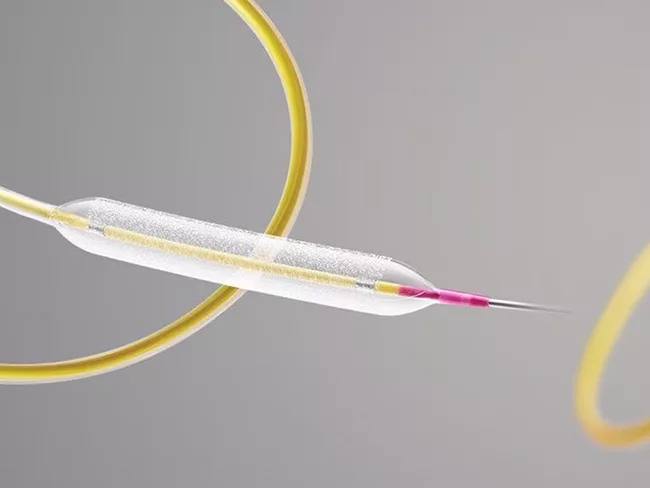
Medtronic plc reported results from a registry highlighting the effectiveness of the Prevail paclitaxel-coated balloon. The findings from the Swedish Coronary Angiography and Angioplasty Registry (SCAAR) were presented by Sacharias von Koch of the department of cardiology and clinical sciences at Lund University, Skåne University Hospital in Sweden at the Cardiovascular Research Technologies 2025 meeting in Washington.
In an advance that could significantly lighten the load for caretakers in the “sandwich generation” and reduce loneliness in elderly patients, Aspargo Labs Inc. developed a metered delivery device that optimizes absorption of pharmaceuticals and reminds users to take their medications.
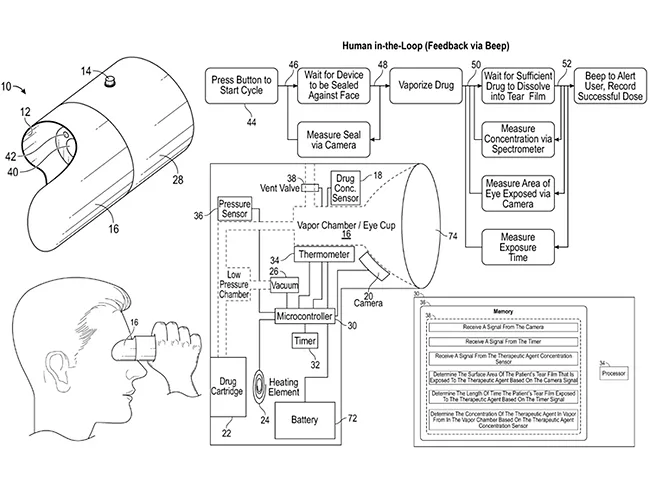
A recent patent filing from Verily Life Sciences LLC seeks protection for the development of an ophthalmic drug delivery device with sensors and a camera which allow the delivery of a specific or controlled dose of a therapeutic agent in vapor form to a patient’s eye.
In a recent publication in Cell, researchers from the National University of Singapore and collaborators have proposed using commensal bacteria in the nasal cavity as a delivery vector for precision therapy targeting the OE and brain.
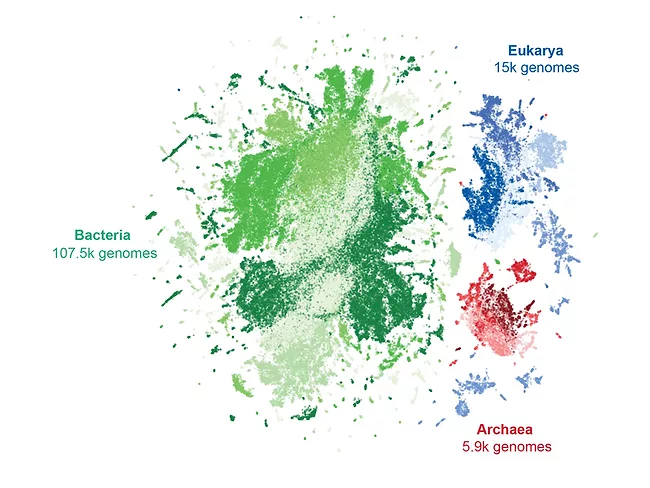
A new version of Evo, the AI developed at the Arc Institute that can be used to design genomes as long as that of a bacterium, has been retrained with the DNA sequences of three domains of life – viruses, bacteria and eukaryotes.
Following Nobel Prize-winning chemist David Baker’s recipe for cooking an antidote to cobra venom using artificial intelligence (AI) could be faster and more effective than currently available methods. The ingredients and steps can be found in a new study published by the University of Washington (UW) scientist in collaboration with the Technical University of Denmark. They are ready for the next steps in preclinical trials.
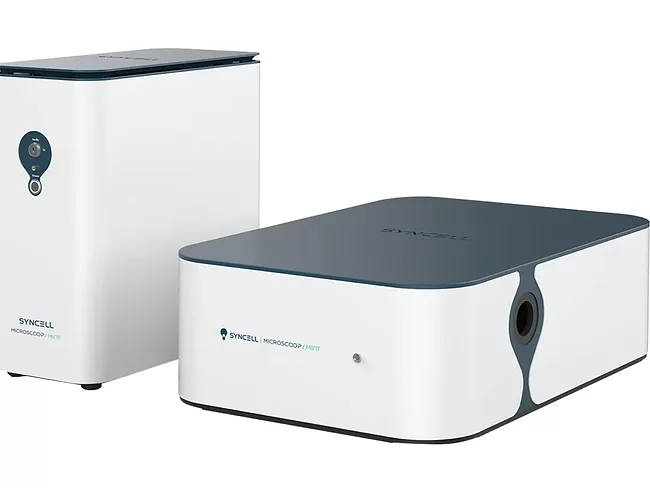
Taipei, Taiwan- and Watertown, Mass.-based Syncell recently raised $15 million in series A financing to advance its subcellular protein purification and spatial proteomics analysis product called Microscoop Mint, based on its Microscoop platform technology.
The first patenting to emerge from Filtro Medical Inc. describes the development of blood filtration devices designed to reduce systemic exposure to chemotherapy or other therapeutic agents that have been delivered into a target treatment location.

 RSS
RSS