Gene therapies rely on vectors to reach the target tissue where they act, such as adeno-associated viruses (AAVs) or lipid nanoparticles (LNPs), among other delivery strategies. Each combination is optimized for a specific cell type and indication, aiming to overcome challenges such as efficacy, specificity and toxicity. On May 13, 2026, two sessions included in the scientific symposia of the 29th Annual Meeting of the American Society of Gene and Cell Therapy (ASGCT), being held in Boston this week, addressed AAV-related toxicities, which have led to fatal cases in clinical trials and remain an area for improvement in approved therapies.
Circular RNA (circRNA) is not a new concept, but it is a novel strategy in the field of gene and cell therapy. While mRNA vaccines have revolutionized medicine, this RNA fragment without free ends surpasses their performance in both efficacy and durability, bringing it to the attention of several pioneering companies. The latest advances in circRNA presented at the 29th Annual Meeting of the American Society of Gene and Cell Therapy (ASGCT) clearly surpass the performance achieved with linear mRNA.
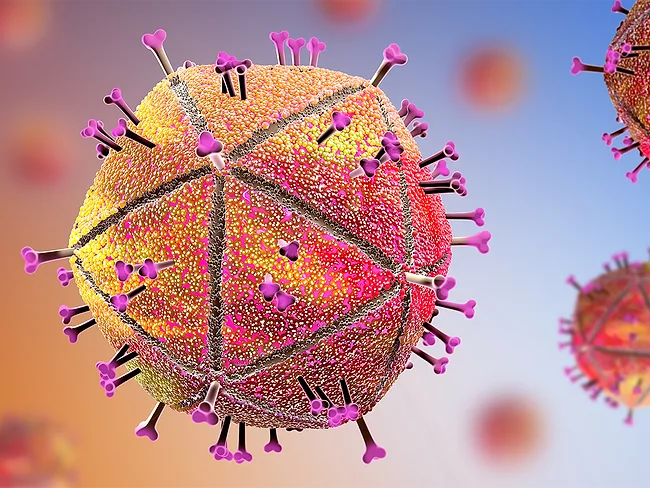
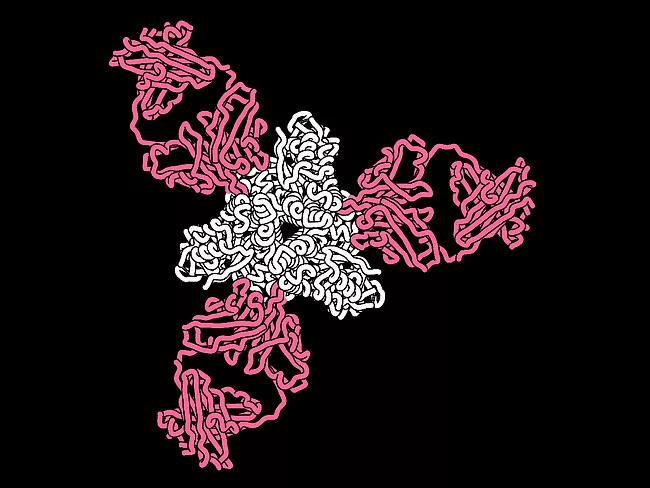
A designed chimeric virus induced broadly neutralizing antibodies against the macaque equivalent of HIV. The strategy works in two steps: first it uses an envelope protein with a mutation that reduces the glycan shield that makes it invisible to the immune system, and then it exposes the part of the protein most likely to generate these antibodies capable of blocking many variants of the virus. The macaques developed potent and diverse antibodies with this approach, which pave the way for the development of an HIV-1 vaccine.
A group led by researchers at Boston Children’s Hospital established a scalable and reproducible model of paclitaxel-induced axon degeneration and neurotoxicity in human induced pluripotent stem cell (iPSC)-derived sensory neurons.
A designed chimeric virus induced broadly neutralizing antibodies (bNAbs) against the macaque equivalent of HIV. The strategy works in two steps: first it uses an envelope protein (Env) with a mutation that reduces the glycan shield that makes it invisible to the immune system, and then it exposes the part of the protein most likely to generate these antibodies capable of blocking many variants of the virus. The macaques developed potent and diverse antibodies with this approach, which pave the way for the development of an HIV-1 vaccine.
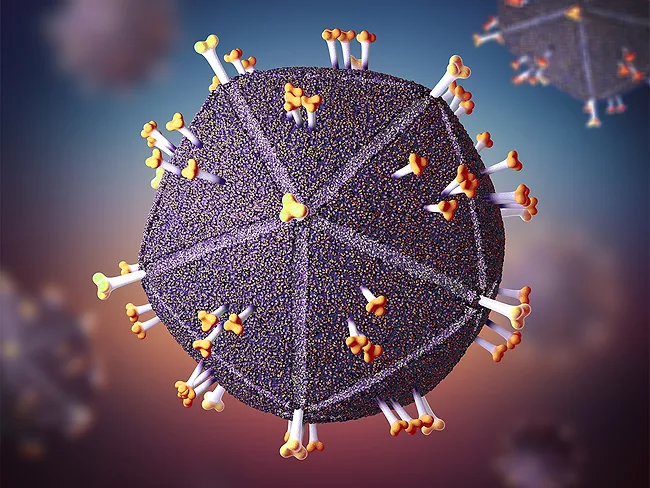
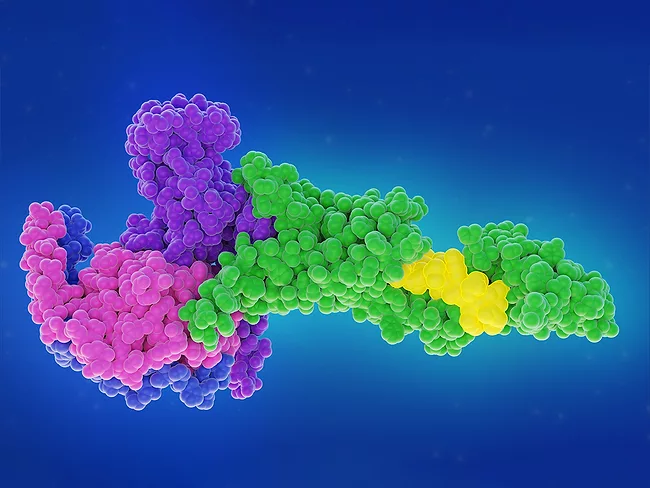
Scientists at the La Jolla Institute for Immunology have identified and characterized human antibodies that neutralize the measles virus by blocking its entry into the cell. This is the first time that antibodies have been shown to bind effectively to two essential viral proteins, creating a dual blockade that prevents infection. Unlike the current vaccine, which is based on an attenuated virus and is not recommended for immunocompromised individuals, these monoclonal antibodies could be used both as a new vaccine approach and as a treatment for the entire population.
Researchers from Renbio Inc. and Louisiana State University investigated the delivery of plasmid DNA encoding new glucagon-like peptide-1(GLP-1)-based biologics with MYO (Make Your Own) technology as a new therapeutic strategy. This approach ensures the continuous production of GLP-1-based biologics for an extended period, overcoming the need for weekly dosing.
A new vaccination strategy designed to induce antibodies that recognize the apex of the HIV Env protein uses Env trimers displayed on liposomes to increase their density and orient them correctly. This presentation enhanced apex-focused antibody responses in macaques, and the monoclonal antibodies isolated after immunization showed binding modes and structural features resembling human broadly neutralizing antibodies (bNAbs), indicating that the vaccine can steer the antibody response toward this vulnerable site.
A new molecule combines the action of two incretins, GLP-1 and GIP, hormones that regulate glucose and appetite, with lanifibranor, a triple agonist of peroxisome proliferator activated receptors (PPAR α/γ/δ). GLP-1-GIP-Lani enables targeted delivery of the PPAR agonist to cells that express incretin receptors, enhancing weight loss, improving glucose control and reducing inflammation in obese mice. In these models, it surpassed the effects of GLP-1 receptor agonists such as semaglutide and GLP-1-GIP co-agonists such as tirzepatide in reducing body weight, improving glycemic control and enhancing metabolic outcomes during active treatment.
Fathom Therapeutics, formerly Atommap Corp., has raised $47 million in an oversubscribed series A financing to advance its work using physics-based simulations and AI to model protein motion and interactions at atomic resolution.

 RSS
RSS