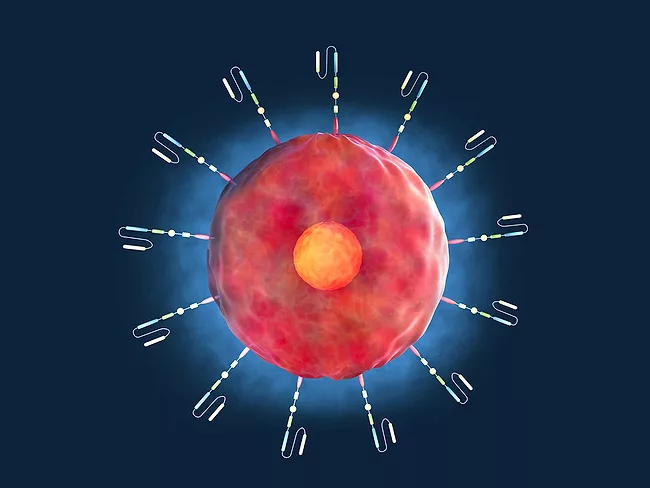
The field of cell and gene therapy is moving toward a new phase of scalability and clinical durability, with in vivo chimeric antigen receptor (CAR) T-cell therapeutics emerging as the dark horse in what speakers at BIO Asia-Taiwan 2026 described as CAR T’s second revolution.
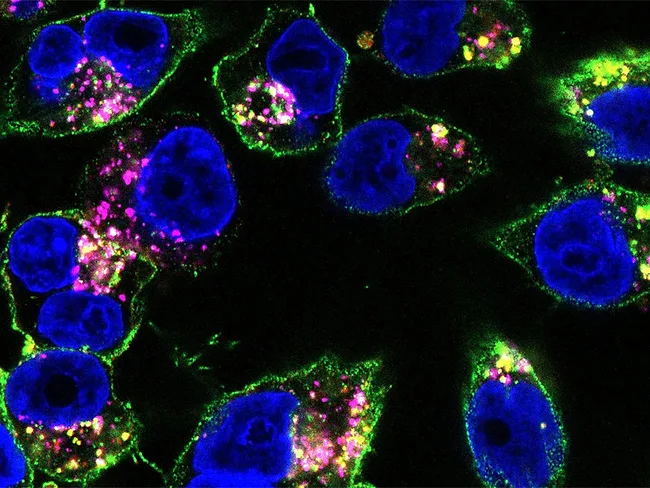
Researchers at Washington University in St. Louis have used click chemistry to link a second antibody to a pre-existing antibody-drug conjugate (ADC) in vivo. In preclinical models of HER2 and EGFR co-expressing pancreatic, breast and gastric tumors, sequential administration of the ADC and the second antibody was better at shrinking tumors than either ADC monotherapy or a combination of antibody and ADC treatment.
Sightera Biosciences BV announced it has raised €3 million (US$3.5 million) in pre-seed funding. The funding will be used to extend the company’s platform technology and asset portfolio, including its lead program in oncology, SIGHT-001.
Human cytomegalovirus (CMV) is a clinical challenge in infants and immunocompromised individuals, since no licensed vaccine exists. Vaccine development is complex due to several factors, including viral latency, genomic complexity and immune evasion, among others. Evaxion A/S recently presented data on its proprietary AI-immunology platform used to create the EVX-V1 vaccine for CMV infection.
While biomedical resources in the form of specialized tools, hundreds of thousands of published papers and huge repositories of ‘omics, health records and other data, are growing exponentially, discovery is getting slower and more expensive. That is the perspective from which scientists at Stanford University approached the development of their artificial intelligence (AI) research assistant Biomni.
While biomedical resources in the form of specialized tools, hundreds of thousands of published papers and huge repositories of ‘omics, health records and other data, are growing exponentially, discovery is getting slower and more expensive. That is the perspective from which scientists at Stanford University approached the development of their artificial intelligence (AI) research assistant Biomni.
Insilico will lead AI-driven discovery to identify molecules meeting predefined scientific and early development criteria, while Takeda will apply its global development capabilities to advance selected candidates through clinical validation.
Artan Biotechnologies LLC has closed a $1 million seed round to support progression of the company’s proprietary mutation-specific codon suppression platform toward first-in-human development.
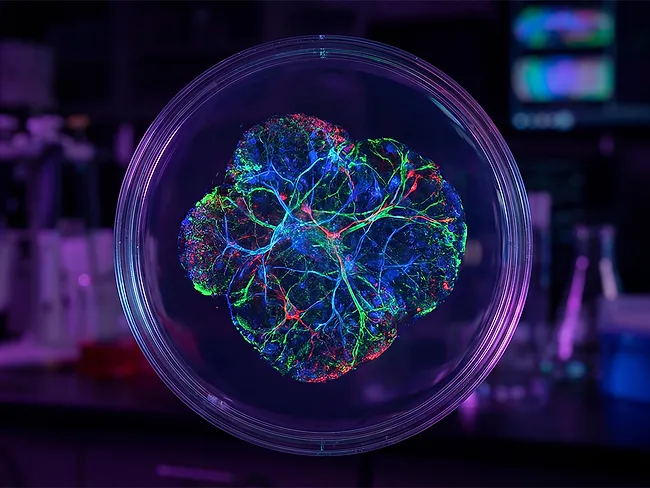
At the 2026 World Congress of Neuropsychopharmacology (CINP), held in Glasgow June 26-29, 2026, researchers from Japan’s National Center of Neurology and Psychiatry (NCNP) showcased how human organoid technologies are reshaping the study of neurodevelopmental vulnerability, addiction and psychiatric disorders.
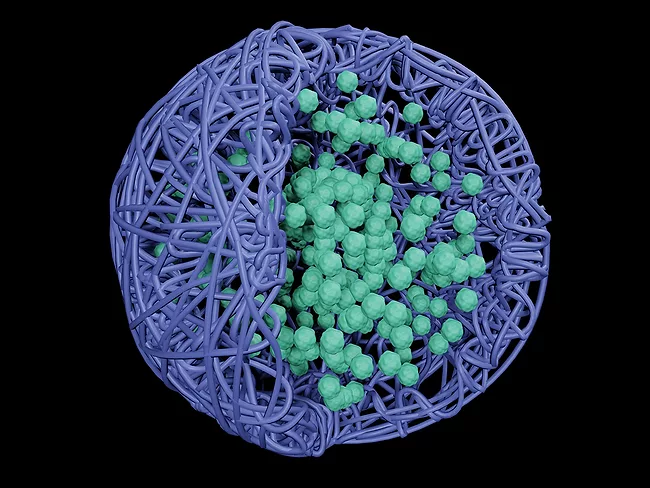
A Biotech Co. Ltd., a subsidiary of CDW Holding Ltd., and Neoregen Biotech Co. Ltd. have obtained promising results from in vivo murine testing of LNP-LANFA, a next-generation lipid nanoparticle (LNP) technology under joint development.

 RSS
RSS