BioWorld. Link to homepage.

Clarivate
  • BioWorld
  • BioWorld MedTech
  • BioWorld Asia
  • BioWorld Science
  • Data Snapshots
    • BioWorld
    • BioWorld MedTech
    • Infographics: Dynamic digital data analysis
    • Index insights
    • NME Digest
  • Special reports
    • Infographics: Dynamic digital data analysis
    • Trump administration impacts
    • Under threat: mRNA vaccine research
    • BioWorld at 35
    • Biopharma M&A scorecard
    • BioWorld 2024 review
    • BioWorld MedTech 2024 review
    • BioWorld Science 2024 review
    • Women's health
    • China's GLP-1 landscape
    • PFA re-energizes afib market
    • China CAR T
    • Alzheimer's disease
    • Coronavirus
    • More reports can be found here

BioWorld. Link to homepage.

  • Sign In
  • Sign Out
  • My Account
Subscribe
BioWorld - Saturday, December 20, 2025
Home » Topics » Science » New compound

New compound
New compound RSS Feed RSS

Neurology/psychiatric

DYRK1A inhibitors for treating Alzheimer’s disease presented at ACS Spring

April 4, 2025
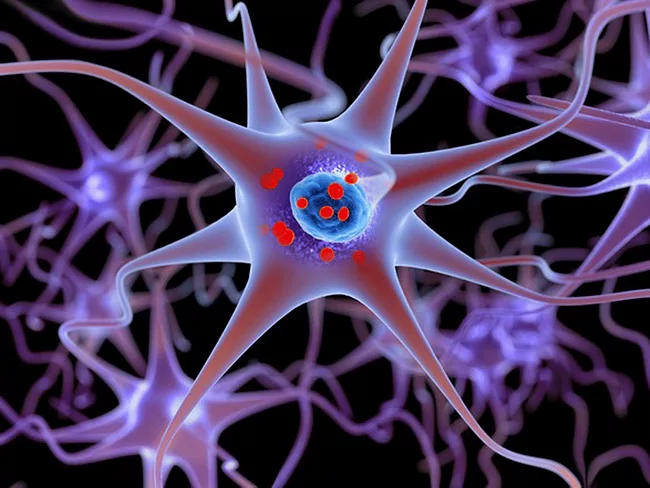
Dual-specificity tyrosine phosphorylation-regulated kinase 1A (DYRK1A) is an attractive therapeutic target due to its involvement in cancer and neurodegenerative diseases. Researchers from the National Health Research Institutes and their collaborators have presented a series of DYRK1A inhibitors for reducing neurofibrillary tangle formation  in Alzheimer’s disease.
Read More
Neurology/psychiatric

Cryptic pocket in CB1 receptor is better target for analgesia

April 2, 2025
Cannabinoid CB1 receptors have been a potential target for nonopioid-based pain treatment, but actually targeting the pathway has been hindered by issues with tolerance and unwanted CNS side effects. Peripherally selective CB1 agonists developed to overcome these problems have not fully resolved these issues, meaning the peripheral selectivity has to be substantially enhanced.
Read More
Illustration of DNA double helix and motorized wheel chair
Neurology/psychiatric

CLS-189, a potential best-in-class HPGDS inhibitor for the treatment of DMD

March 28, 2025
Researchers from the University of Queensland recently provided details on the discovery and preclinical characterization of a new hematopoietic prostaglandin D2 synthase (HPGDS) inhibitor, CLS-189, being developed for the treatment of Duchenne muscular dystrophy (DMD).
Read More
Cancer

Novel HDAC3 inhibitor with high oral availability divulged

March 7, 2025
Histone deacetylase 3 (HDAC3) is involved in transcriptional regulation, phosphorylation and the inhibition of tumor suppressor genes. Its upregulation in several types of tumors, such as colorectal, prostate, breast and ovarian cancers, among others, makes it a potential therapeutic target in cancer.
Read More
Gastrointestinal

IL-21120033, CXCR7 agonist with significant efficacy in DSS-induced colitis model

March 5, 2025
Researchers from Ileadbms Co. Ltd. presented the discovery and preclinical characterization of IL-21120033, a new CXCR7 agonist being developed for the treatment of inflammatory bowel disease.
Read More
Cancer

Potential first-in-class FEM1B-recruiting histone deacetylase degraders divulged

Feb. 21, 2025
Targeted protein degradation (TPD) is an alternative to conventional protein inhibition that is gaining attention due to advantages such as ensuring complete elimination of the target protein, reduced off-target effects or the potential to target previously inaccessible or “undruggable” proteins. Proteolysis targeting chimeras (PROTACs) are agents used for TPD that have proven effective for degradation of histone deacetylase (HDAC), among other different proteins.
Read More
Art concept for drug research
Cancer

Novel RIOK2 molecular glue degrader divulged

Feb. 18, 2025
Right open reading frame kinase 2 (RIOK2) plays an essential role in ribosome assembly and cell growth, survival and stress responses. Research has linked RIOK2 to tumor progression and poor prognosis in several types of cancer such as breast, lung, prostate or hematological tumors.
Read More
Leukemia illustration
Cancer

Potent ASH1L inhibitor with strong antileukemic profile described

Feb. 3, 2025
The absent, small or homeotic-like 1 (ASH1L) protein regulates the expression of HOXA genes, which are critical for the development of MLL1 translocations frequently found in leukemia patients. Knockdown of ASH1L leads to growth arrest and apoptosis of leukemia cells, thereby inhibiting leukemia progression suggesting that ASH1L can be considered as a therapeutic target in this setting.
Read More
3D illustration of liver and photomicrograph showing triglyceride fat accumulated in liver cells.
Endocrine/metabolic

ZG-2305 shows efficacy in obesity and fatty liver models

Jan. 29, 2025
Hypoxia-inducible factors (HIFs) are crucial to maintain oxygen homeostasis by regulating cellular metabolic adaptation under hypoxia conditions. Depletion of factor inhibiting HIF (FIH), an enzyme that negatively regulates the activity of the HIF-1α isoform, has been associated with reductions in hepatic steatosis and body mass in mice.
Read More
Diagram of how cells take up glucose from the stomach and insulin from the pancreas
Endocrine/metabolic

PTP1B allosteric inhibitor enhances glucose uptake in insulin resistance models

Jan. 27, 2025
Tyrosine-protein phosphatase non-receptor type 1 (PTP1B) acts as a negative regulator of the insulin signaling pathway by dephosphorylating both the insulin receptor (IR) and the insulin receptor substrate, leading to insulin resistance, the most significant characteristic of type 2 diabetes.
Read More
Previous 1 2 3 4 5 6 7 8 9 10 11 … 760 761 Next

Popular Stories

  • Today's news in brief

    BioWorld
    BioWorld briefs for Dec. 19, 2025.
  • Today's news in brief

    BioWorld MedTech
    BioWorld MedTech briefs for Dec. 19, 2025.
  • Left: Anthony Fauci. Right: Transmission electron micrograph of HIV-1 virus particles

    HIV research is close to a cure but far from ending the pandemic

    BioWorld
    Advances in antiretroviral therapy (ART) now allow people living with HIV to lead normal lives with undetectable and nontransmissible levels of the virus in their...
  • Acute myeloid leukemia illustration

    Apollo’s APL-4098 shows potent antileukemic effects

    BioWorld Science
    Apollo Therapeutics Ltd. has developed APL-4098, a small-molecule general control nonderepressible 2 (GCN2) inhibitor for the potential treatment of AML.
  • Illustration of brain with electrical activity background

    ABS-1230 controls seizures in KCNT1-driven severe epilepsy

    BioWorld Science
    Mutations in the KCNT1 gene produce gain-of-function effects that lead to overactivation of the potassium channel and consequent disruption of normal neuronal...
  • BioWorld
    • Today's news
    • Analysis and data insight
    • Clinical
    • Data Snapshots
    • Deals and M&A
    • Financings
    • Newco news
    • Opinion
    • Regulatory
    • Science
  • BioWorld MedTech
    • Today's news
    • Clinical
    • Data Snapshots
    • Deals and M&A
    • Financings
    • Newco news
    • Opinion
    • Regulatory
    • Science
  • BioWorld Asia
    • Today's news
    • Analysis and data insight
    • Australia
    • China
    • Clinical
    • Deals and M&A
    • Financings
    • Newco news
    • Regulatory
    • Science
  • BioWorld Science
    • Today's news
    • Biomarkers
    • Cancer
    • Conferences
    • Endocrine/Metabolic
    • Immune
    • Infection
    • Neurology/Psychiatric
    • NME Digest
    • Patents
  • More
    • About
    • Advertise with BioWorld
    • Archives
    • Article reprints and permissions
    • Contact us
    • Cookie policy
    • Copyright notice
    • Data methodology
    • Infographics: Dynamic digital data analysis
    • Index insights
    • Podcasts
    • Privacy policy
    • Share your news with BioWorld
    • Staff
    • Terms of use
    • Topic alerts
Follow Us

Copyright ©2025. All Rights Reserved. Design, CMS, Hosting & Web Development :: ePublishing