2024 saw the completion of several cellular-resolution brain maps, including the entire fly brain and a comprehensive connections map of a cubic centimeter of human brain. 2025 began with the addition of another important map. In the Jan. 1, 2025, issue of Nature, researchers from the Allen Institute presented a map of areas and cell types where aging most affected the mouse brain.
Around the end of every year, the media reports on pregnancy and women who give birth on the last and first days of the new year. They tell their stories, the names of their babies and the cities where they were born. While 2024 was coming to an end, gynecologists and other researchers finalized their publications to improve the health of women and their babies. The formation of the placenta or the study of preeclampsia are some of the first and last stories that greet and say goodbye to 2024. Those of 2025 will be born soon.
Its lead program might have hit a safety snag, but Bioage Labs Inc.’s longevity data platform caught the attention of Novartis AG, which agreed to pay $20 million up front in a collaboration to identify drug targets for aging-related diseases. Taking into account potential long-term research, development and commercial milestones, the agreement could bring in up to an additional $530 million.
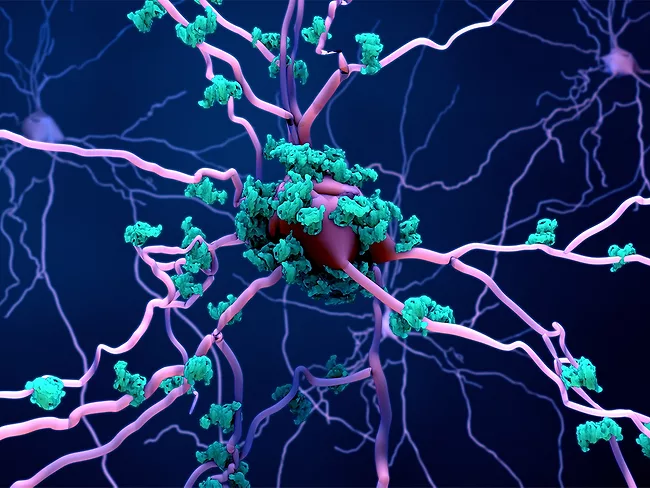
A ketone body, a molecule derived from the metabolism of acids to obtain energy when glucose is not available, could become an effective ally in treating Alzheimer’s or preventing the effects of aging on the brain. A group of scientists at the Buck Institute for Research on Aging have studied the role of β-hydroxybutyrate as a signaling metabolite of misfolded proteins by interacting with them and altering their solubility, a mechanism that allows their elimination, as observed in preclinical models.
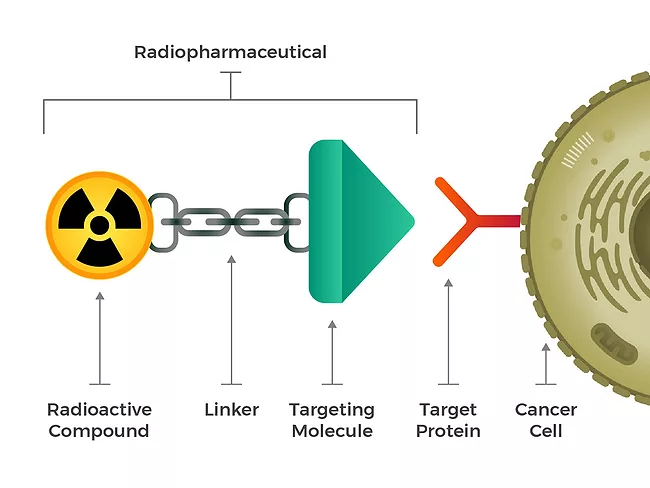
Radiopharmaceutical biotech and contract development and organization firm Duchembio Co. Ltd. filed a securities report to South Korea’s Financial Services Commission Nov. 11, kickstarting the IPO process to list on the Korea Exchange.
A year out from Leqembi’s approval for Alzheimer’s disease (AD), ongoing research coupled with artificial intelligence is advancing both radiopharmaceuticals and small-molecule drugs for AD diagnostics and treatment, speakers at the 2024 KoNECT-MOHW-MFDS conference said.
By treating mice with antifibrotic drugs, researchers were able to stave off functional decline of the ovaries. Six weeks of systemic treatment with the antifibrotic pirfenidone, which is approved for the treatment of idiopathic pulmonary fibrosis, in early middle age improved both the morphology and the endocrine function of the animals’ ovaries at 1 year of age.
A novel gene therapy that leads to cellular rejuvenation could restore vision after non-arteritic anterior ischemic optic neuropathy (NAION) and glaucoma. The technique is based on a reprogramming process that reverses the epigenetic DNA alterations caused by aging. Preclinical studies in glaucoma mice and nonhuman primates (NHP) models for this stroke-like disorder that affects the eye, showed an improvement of vision and restoration of the damaged axons of the optic nerve.
Immortality and eternal youth have been the stuff of myths and legends from ancient times on. Now, in the 21st century, real studies of current medicine could be applied to repair tissues and organs damaged by age. During the 11th Aging Research & Drug Discovery (ARDD) Meeting held at the University of Copenhagen at the end of August, scientists explained the molecular keys of rejuvenation, as many artists imagined in the past.
Technological breakthroughs are changing the biopharmaceutical landscape and forcing regulators to think on their feet and facilitate (not impede) innovation, experts said at the Global Bio Conference (GBC) 2024. “Regulatory speed and agility are necessary amid emergencies to cater to unmet medical needs,” Choong May Ling, CEO of Singapore’s Health Sciences Authority, told audience members in Seoul, South Korea.
 RSS
RSS