While women with “big hearts” play well in popular culture, cardiologists see a very different picture – with significant implications for women’s health and medical care. Women have smaller hearts and narrower blood vessels than men and their cardiovascular systems respond to disease and treatment in very different ways. Growing evidence that failure to reflect women’s distinct anatomy in cardiac care leads to deadly disparities in outcomes has recently stimulated development of new diagnostics and increased focus on inclusion of women in medical device trials.
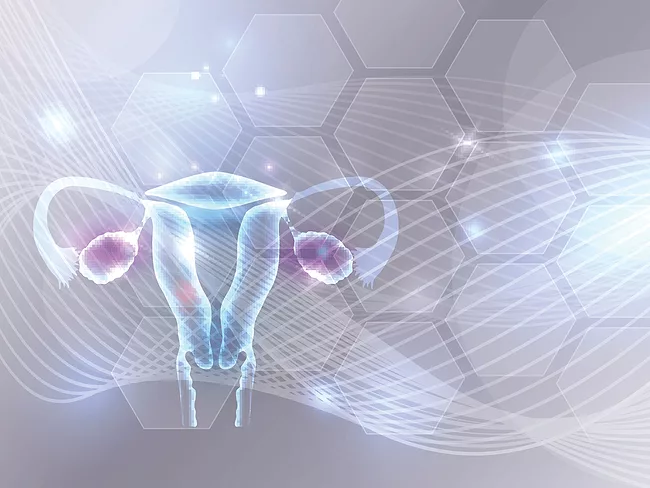
Endometriosis has been woefully under-recognized in the medical community, and consequently, the delay between onset and diagnosis is often quite long, with some women waiting up to 12 years for a diagnosis. Endometriosis affects about 10% of women, and about 190 million women worldwide live with endometriosis.
Vaginal microbiome specialist Freya Bioscience ApS has added $11.8 million to its series A, bringing the total for the round to $50 million. Of the additional $11.8 million, $10.4 million comes from the Gates Foundation and is designated for the development of vaginal microbiome-based immunotherapies for treating bacterial vaginosis, a cause of preterm birth and other pregnancy complications.
Endometriosis has been woefully under-recognized in the medical community, and consequently, the delay between onset and diagnosis is often quite long, with some women waiting up to 12 years for a diagnosis.
Gender bias in cardiac treatment guidelines is putting women at risk because guidelines are written based on clinical trials conducted mostly in men. As previously reported in BioWorld, nearly 70% of female patients are underdiagnosed for cardiovascular disease as women are grossly under-represented in clinical trials.
The first filing to emerge from Identifyher Ltd. seeks to gain protection for a wearable sensor that women can wear daily to track potential symptoms of perimenopause, providing them with data that can be used to find the right management plan for their needs.
Despite government efforts to prop up biopharma and med-tech research toward creating women’s health products, companies must eventually reach out to the private markets to bring their inventions to the next stage of development. Anna Zornosa-Heymann, a women’s health investor, serves as a part-time contractor with the U.S. NIH’s SEED (Small business Education & Entrepreneurial Development) office, where she helps companies move from government to external funding. Government funds are “excellent to pay for research … but those funds don’t allow you to build a first-class team and to develop a sales apparatus,” she told BioWorld.
While women make up half the world’s population and own two out of every five businesses, there are substantial knowledge gaps about conditions affecting their health – mostly due to decades of research excluding women from clinical trials and investment decisions.
While women’s health has slid under the research radar for decades, large biopharma companies and venture capital firms are beginning to take notice of the untapped market potential. More companies are wandering into the space and exploring avenues of science that were largely ignored for years. A BioWorld analysis of biopharma companies working on women’s health solutions found that while many efforts to improve the well-being of women exist, the proportion of funding and partnering for this emerging sector of medicine still represents only a small slice of the industry’s overall activity.
While women make up half the world’s population and own two out of every five businesses, there are substantial knowledge gaps about conditions affecting their health – mostly due to decades of research excluding women from clinical trials and investment decisions.

 RSS
RSS