Human biology is extraordinarily complex, and that sophistication emerges from the very beginning. During embryonic and fetal development, the organism’s architecture is shaped through the organization of tissues, the establishment of molecular pathways, and the coordination of signals that will later sustain the body as an integrated system. It is likely the most delicate stage of life, where any disturbance in that foundational process can have lasting consequences on health.
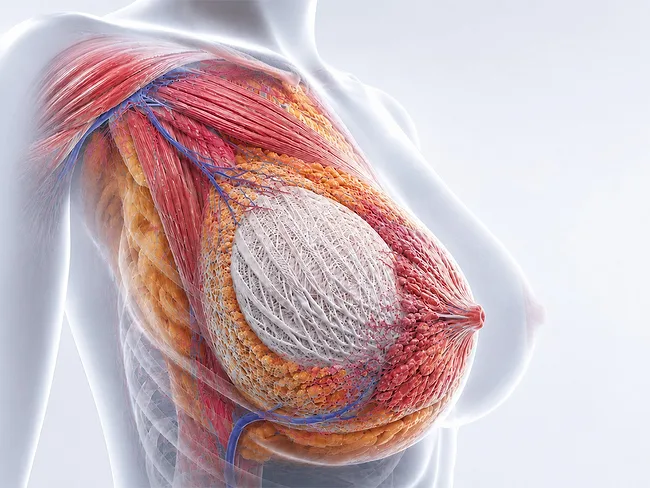
Regenerative medicine company Bellaseno GmbH is accelerating development of its absorbable breast scaffold, with a pivotal Australian trial recruiting faster than expected and a newly announced licensing deal with Johnson & Johnson subsidiary Mentor Worldwide LLC positioning the technology for global commercialization.
Researchers from Jiangsu Hansoh Pharmaceutical Group Co. Ltd. and Shanghai Hansoh Biomedical Co. Ltd. have described tachykinin NK3 receptor antagonists that are potentially useful for the treatment of menopausal symptoms, polycystic ovarian syndrome, uterine fibroids (myoma), schizophrenia, irritable bowel syndrome and breast cancer.
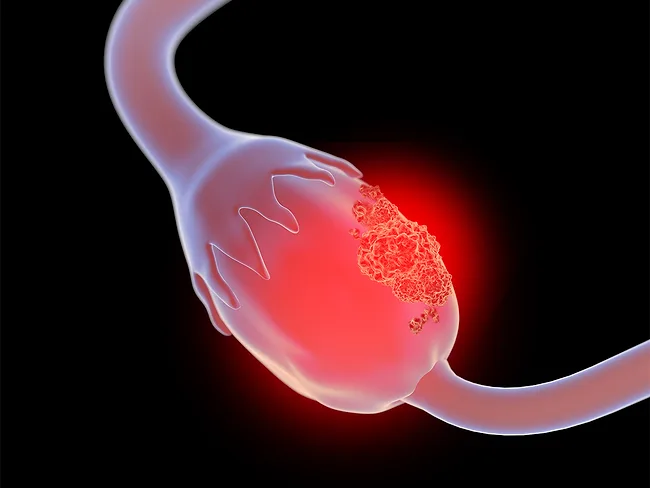
Harnessing an oncolytic signal and redirecting it against the tumor itself could be developed as a selective strategy for certain cancer types, as occurs with ErbB hyperactivity, a form of signaling that drives many carcinomas. Inspired by this idea, scientists at Stanford University have engineered a virus that replicates only in ErbB-hyperactive ovarian cancer cells. This allowed them to precisely kill this specific tumor population, achieving greater efficacy and safety than previous oncolytic viruses.
Mammogen Inc. raised $30 million in equity financing in a series A round to support the clinical advancement and commercialization of its RNA-powered molecular diagnostics platform. The company’s lead product is Gentru-breast, a blood-based assay designed to detect molecular signatures associated with breast cancer from a simple blood draw.
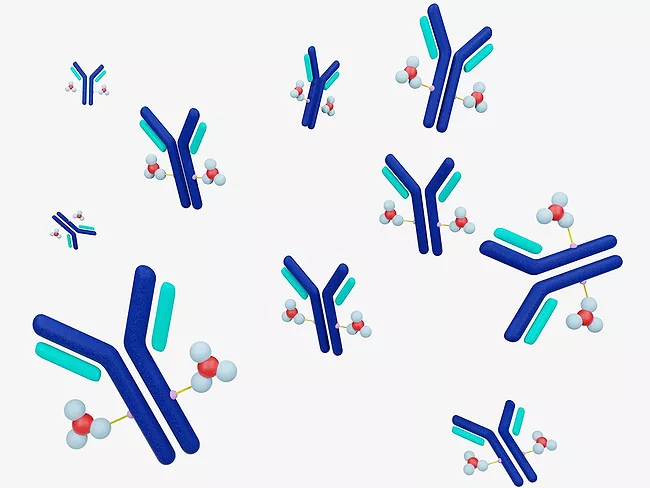
Multiple updates on TROP2-directed antibody-drug conjugates (ADCs) for lung and breast cancers highlight both progress made and opportunities for improvement for the targeted class of cancer therapeutics.
Multiple updates on TROP2-directed antibody-drug conjugates (ADCs) for lung and breast cancers highlight both progress made and opportunities for improvement for the targeted class of cancer therapeutics.
WAVES, an algorithm designed to extract menstrual-cycle metrics from physiological signals such as basal body temperature, which oscillates with sex hormones, shows how different parameters change with age and helps determine whether each person maintains a stable individual pattern or personal footprint. A study based on data from 5,674 cycles from 753 women demonstrates through this tool that age is associated with higher temperatures, shorter cycles, and greater irregularity. In addition, several metrics show within-person stability, suggesting they could serve as personalized health markers.
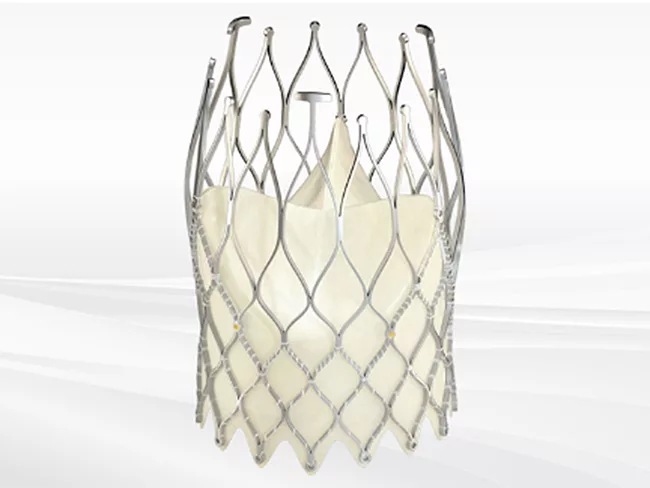
Data from the All Women clinical trial, which looked at the Allegra transcatheter aortic valve replacement (TAVR) system compared to balloon-expandable valves (BEV) in women with aortic stenosis, showed that Allegra delivered lower mean gradients and less prosthesis-patient mismatch than BEVs. The data presented at the EuroPCR conference in Paris was the first randomized head-to-head comparison of different TAVR platforms conducted exclusively in women.

 RSS
RSS