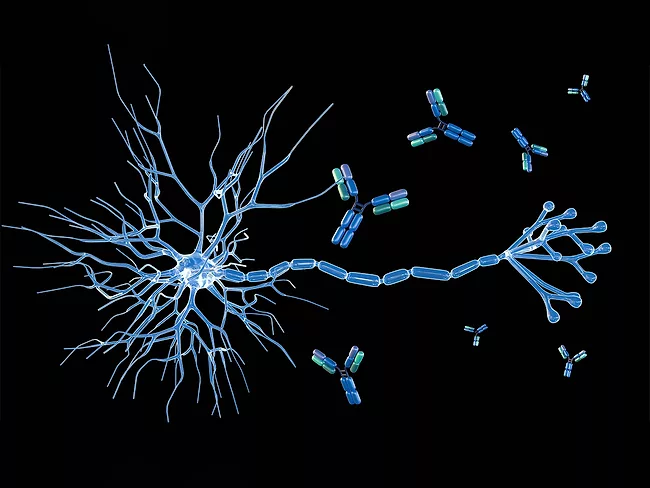
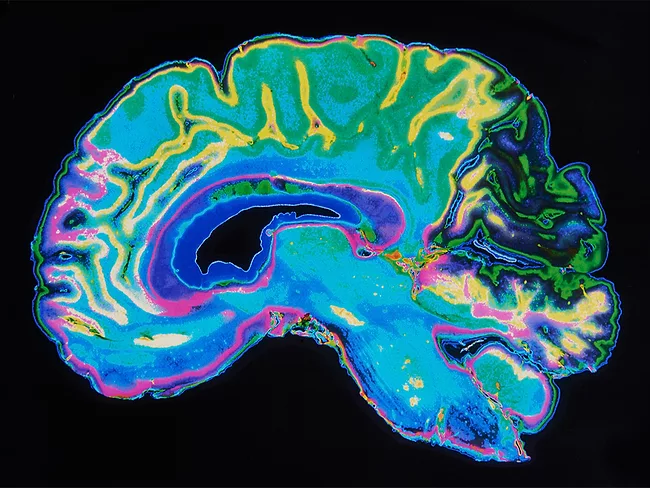
Certain cancers, such as triple-negative breast cancer, produce antibodies that, although they help fight the tumor, can cross the blood-brain barrier and alter the function of NMDA receptors (NMDAR) in the brain, which are essential for neuronal signaling. Scientists at Cold Spring Harbor Laboratory (CSHL) have identified their origin and described how this process is linked to the maturation of these antibodies, which can activate or inhibit the receptor, causing neurological and psychiatric symptoms.
Insilico Medicine Cayman Topco has established a strategic research collaboration with Aska Pharmaceutical Co. Ltd. to identify novel therapeutic targets for challenging gynecological conditions, including endometriosis, uterine fibroids and adenomyosis.
Endomet Biosciences Inc. (dba Endocyclic Therapeutics) has obtained IND clearance from the FDA for its lead program, ENDO-205, a first-in-class, nonhormonal targeted peptide therapeutic for endometriosis.
Neurodegenerative disease and cognitive decline cannot be explained by a single process. Beta-amyloid plaques, hyperphosphorylated tau, alpha-synuclein, activated microglia and astrocytes, altered receptors such as TREM2, mitochondrial dysfunction, epigenetic changes and cerebrovascular alterations all seem to contribute to the development of dementia in Alzheimer’s disease (AD). While scientists attempt to address each of these elements, prevention is growing as a primary goal.
A study involving a small cohort of women who have received womb transplants has cast fresh light on how the immune system shapes pregnancy outcomes, opening up new avenues of research into implantation failure, preeclampsia and preterm birth. Using an array of single cell analyses, scientists at the University of Alabama at Birmingham (UAB) studied the composition and gene expression profiles of immune cells in tissue samples from five women who had received womb transplants.
A study involving a small cohort of women who have received womb transplants has cast fresh light on how the immune system shapes pregnancy outcomes, opening up new avenues of research into implantation failure, preeclampsia and preterm birth.
China’s National Medical Products Administration has approved Asieris Pharmaceuticals Co. Ltd.’s cold light photodynamic drug-device combination product, Cevira (APL-1702, hexaminolevulinate hydrochloride), which is used as a nonsurgical therapy for treating patients with cervical intraepithelial neoplasia grade 2.
China’s National Medical Products Administration has approved Asieris Pharmaceuticals Co. Ltd.’s cold light photodynamic drug-device combination product, Cevira (APL-1702, hexaminolevulinate hydrochloride), which is used as a nonsurgical therapy for treating patients with cervical intraepithelial neoplasia grade 2.
A therapeutic strategy based on alternative splicing of the MECP2 gene could restore protein levels in Rett syndrome, a neurological disorder caused by mutations in that gene. Scientists at Baylor College of Medicine have successfully tested this approach both in vitro in neurons from Rett patients that produce some functional protein, correcting the altered gene expression and improving neuronal functions, and in vivo in mice.
In a boon for licensee Bristol Myers Squibb Co., Systimmune Inc.’s next-generation cancer drug, izalontamab brengitecan (iza-bren), hit both progression-free survival and overall survival endpoints in a phase III trial of Chinese patients with advanced triple-negative breast cancer.
 RSS
RSS