Globally, over half of people living with HIV are women. But in clinical cure trials, they make up only about 20% of participants. And that gender imbalance is causing researchers to miss out on ways to improve cure strategies. Because women’s immune systems appear to be better at controlling HIV infection in a way that silences the reservoir – the provirus integrated into host cells in infected persons.
Globally, over half of people living with HIV are women. But in clinical cure trials, they make up only about 20% of participants. And that gender imbalance is causing researchers to miss out on ways to improve cure strategies. Because women’s immune systems appear to be better at controlling HIV infection in a way that silences the reservoir – the provirus integrated into host cells in infected persons.
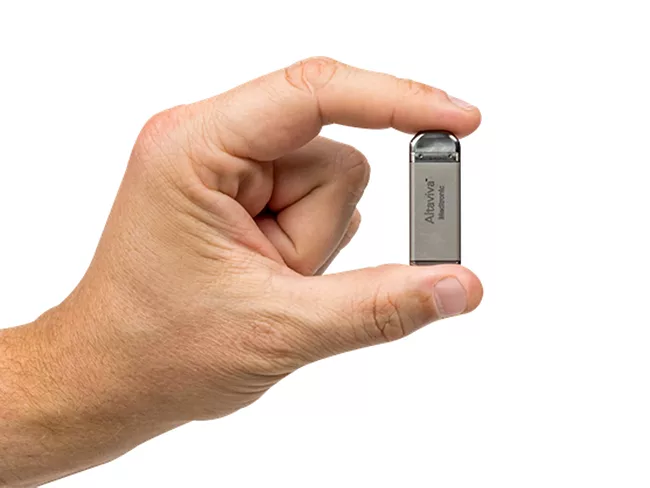
Medtronic plc received U.S. FDA approval for Altaviva, a minimally invasive implantable tibial neuromodulation device designed to treat urge urinary incontinence. Insertion near the ankle requires neither sedation nor imaging and patients walk out the clinic door with the device already activated.
Following the first approvals in the U.K., Canada, Australia and Switzerland, the EMA’s Committee for Medicinal Products for Human Use (CHMP) is now recommending approval of Bayer AG’s Lynkuet (elinzanetant), a non-hormonal treatment for symptoms of menopause. The drug, the first dual neurokinin-1 and neurokinin-3 receptor antagonist, is for the treatment of moderate to severe vasomotor symptoms, also known as hot flashes.
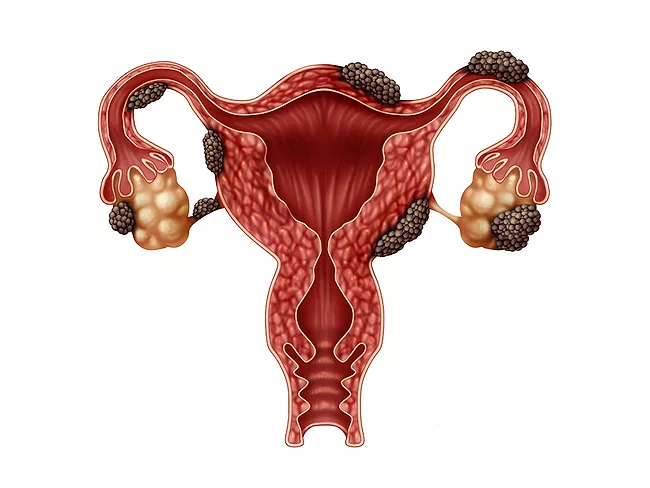
Endocyclic Therapeutics (Endomet Biosciences Inc.) has been awarded a National Institute of Health (NIH) Commercialization Readiness Pilot (CRP) Program grant from the Eunice Kennedy Shriver National Institute of Child Health and Human Development (NICHD) to accelerate the commercialization of ENDO-205, a nonhormonal, disease-modifying therapeutic designed to treat endometriosis.
Elutia Inc. agreed to sell its Elupro and Cangaroo bioenvelopes for implantable medical devices to Boston Scientific Corp. for $88 million in cash. Elutia will use the funds to further development of NXT-41x, an antibiotic biomatrix designed to reduce post-surgical complications in breast reconstruction.
The financing environment remains difficult for solutions addressing women’s health, Lara Zibners, co-founder and chair of Calla Lily Clinical Care Ltd., told BioWorld. “Until I entered this space, I've never spoken to an investor in any other area who said, ‘I need to go home and ask my wife’,” she said on the sidelines of the LSI conference in London.
“New explosions in biotechnology are allowing us to interrogate cancers at a very sophisticated level compared to before,” Dennis Slamon told audience members at the Global Bio Conference in Seoul, South Korea Sept. 3.
“New explosions in biotechnology are allowing us to interrogate cancers at a very sophisticated level compared to before,” Dennis Slamon told audience members at the Global Bio Conference in Seoul, South Korea Sept. 3.
There have been numerous improvements in the treatment of cardiovascular disease since the European Society of Cardiology (ESC) first met in 1950, but unmet medical need remains and the science continues to advance, as delegates heard at the 75th annual meeting in Madrid, Spain, Aug. 29-Sept. 1.
 RSS
RSS