Medline Inc. filed a public S1 with the SEC Oct. 28, moving the IPO first signaled in December 2024 closer to reality. The Northfield, Ill.-based medical supply distributor did not disclose the number of shares to be offered or their price, but Renaissance Capital expects the IPO to raise about $5 billion, which would make it the largest in any industry this year and one of the largest ever in med tech. Billiontoone Inc. also advanced its IPO, as it began the road show for its public debut in early November.
In the largest med-tech M&A deal in nearly three years, Hologic Inc. agreed to be acquired by funds led by Blackstone and TPG in a transaction valued at $18.3 billion. After five months of rumored negotiations, the outlined deal provides Hologic shareholders with $76 per share in cash plus up to $3 per share in contingent value rights (CVR) to be paid on achievement of revenue goals for the breast health business over the next two years.
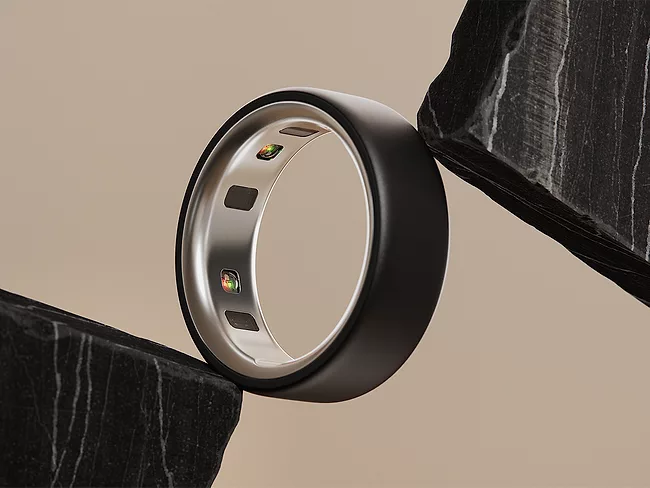
Oura Health Oy raised more than $900 million in a series E funding round to fuel global expansion of its popular smart ring and development of new health technologies. The new infusion brings the company’s total funds raised to date to $1.5 billion and implies a corporate valuation of about $11 billion, Oura said.
Abbott Laboratories made plans to enter the cancer screening market with its reported acquisition of Exact Sciences Corp. The deal will pay Exact Sciences shareholders $105 per share in cash, a nearly 50% premium to Exact’s unaffected share price on Nov. 19. That represents a total equity value of approximately $21 billion and an estimated enterprise value of $23 billion.
Ottobock SE & Co. KGaA got the Frankfurt Stock Exchange on its feet and dancing with Germany’s largest IPO in more than 18 months Oct. 9. The €808 million (US$934.23 million) gave the prosthetics company a market capitalization of €4.2 billion (US$4.88 billion), which rapidly rose as the share price shot up from €66 to €72 at the start of trading. The second med-tech to go public in October should have more company soon, with U.S. molecular diagnostics company Billiontoone Inc. filing Oct. 7 for an IPO with placeholder value of $100 million.
With U.S. President Donald Trump’s administration vocally opposed to abortion, the U.S. FDA has approved a new generic version of the pill that makes the procedure possible medically: mifepristone, once better known as RU-486.
Generating gametes from nonreproductive tissues could help overcome infertility. Previous studies have successfully transformed stem cells into viable oocytes through cellular reprogramming. Scientists at Oregon Health & Science University (OHSU) developed a method to derive them from skin cells via somatic cell nuclear transfer (SCNT), unlocking a mechanism that blends mitosis and meiosis. Now, the researchers have taken another step forward by generating fertilizable eggs from human skin cells.
Phase Scientific International Ltd. launched China’s largest clinical study for urine-based cervical cancer screening. If successful, the blood-based test could be the first non-invasive test for HPV.
In what represents the first filing to have emerged in the name of Cellect Laboratories Inc., one of the start-up’s co-founders, Claire Theresa Murphy, describes their development of a non-invasive screening method that could one day replace the Pap test.
 RSS
RSS