While the Biden administration continues applauding the savings it claims will be delivered by the first round of Medicare negotiations, many U.S. patients and their families are worried about the cost of the biopharma price-setting program – a cost they measure not in dollars and cents, but in worsening illness and lives that may be lost to a downturn in innovation and an upturn in barriers to access.
After many months of jockeying, the U.S. FDA has approved Ascendis Pharma A/S’ hormone replacement therapy Yorvipath (palopegteriparatide) for treating hypoparathyroidism. Ascendis said this is the first and only treatment for adults with the rare endocrine disease.
A T-cell therapy from Adaptimmune Therapeutics plc has received accelerated approval from the U.S. FDA to treat advanced synovial sarcoma (SS). Tecelra (afamitresgene autoleucel), a CAR T targeting MAGE-A4, is the first engineered T-cell therapy for solid tumors and the first treatment option for the indication in more than a decade.
Zevra Therapeutics Inc. will make its case Aug. 2 for its Niemann-Pick type C (NPC) candidate, arimoclomol, when the U.S. FDA’s Genetic Metabolic Diseases Advisory Committee (GeMDAC) meets for the first time.
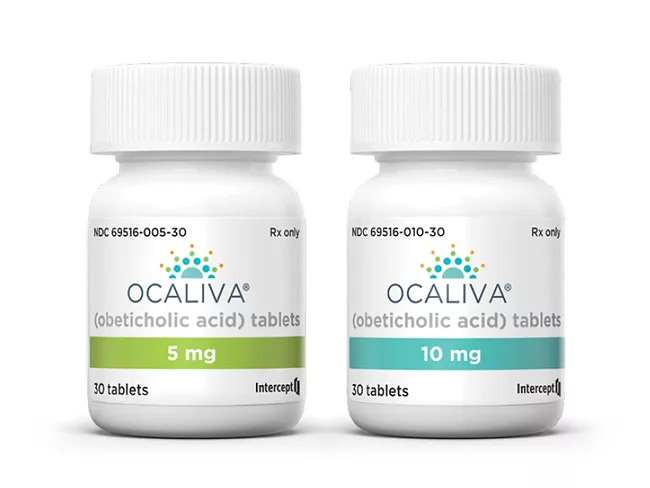
Those affected by primary biliary cholangitis (PBC) are fighting back against the recommendation by the EMA that the marketing authorization for Ocaliva (obeticholic acid), a second-line treatment used by 7,000 patients in Europe, be withdrawn. Earlier today, July 25, patients and their supporters staged a protest outside the European Commission building in Brussels to oppose EMA’s position that Ocaliva’s conditional license should be revoked.
Interim data from two early stage Friedreich’s ataxia (FA) cardiomyopathy studies from Lexeo Therapeutics Inc. hit the mark by reducing heart muscle thickness, a key cause of death among patients with the rare disease. The results came from the Sunrise-FA phase I/II study and an investigator-initiated phase Ia study of LX-2006, an adeno-associated virus-mediated gene therapy encoding the human frataxin gene. The drug is designed to improve frataxin protein expression to improve mitochondrial cell function.
Yuhan Corp., of Seoul, South Korea, has inked a ₩150 billion (US$108.6 million) deal with Korean biotech Ubix Therapeutics Inc. to gain exclusive global rights to UBX-103, Ubix’s oral small-molecule androgen receptor degrader for prostate cancer. Yuhan also announced July 1 that it gained the U.S. FDA’s nod to start a phase I study of a Gaucher disease drug candidate called YH-35995.
After a previous phase III failure, Savara Inc. kept at it and found success with molgramostim for the rare lung disease autoimmune pulmonary alveolar proteinosis. A second attempt, the pivotal phase III Impala-2 study of molgramostim, an inhaled form of recombinant granulocyte macrophage colony-stimulating factor for adults, hit its primary endpoint and left participants breathing easier. The results led Savara to say it would complete a BLA submission sometime in the first half of 2025, with filings in Europe and Japan to follow.
Focused on oral therapies for obesity, diabetes and rare diseases, Boston-based Syntis Bio Inc., which raised $15.5 million through seed funding last year, emerged from stealth to advance its synthetic tissue-lining technology and a pipeline of candidates.
Focused on oral therapies for obesity, diabetes and rare diseases, Boston-based Syntis Bio Inc., which raised $15.5 million through seed funding last year, emerged from stealth to advance its synthetic tissue-lining technology and a pipeline of candidates.
 RSS
RSS