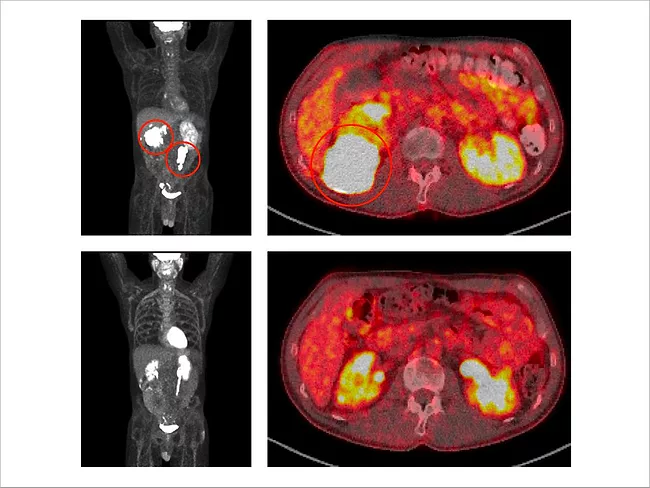
Deep molecular advances are enabling precision medicine for the field of hematology, Wyndham Wilson said during a plenary session at the 2026 Korean Society of Hematology International Conference March 26.
Phase II data disclosed March 31 by Pepgen Inc. in myotonic dystrophy type 1 (DM1) hobbled the stock but might have been much different if not for one outlier in the 5-mg/kg multiple ascending dose cohort of the ongoing phase II Freedom2-DM1 trial – and Wall Street is pondering what the hitch means for the Boston-based firm as well as the competitive space.
Simcere Pharmaceutical Group Ltd.’s monoclonal antibody, rademikibart (CBP-201), met the primary endpoint in a Chinese phase III study in adults and adolescents with moderate to severe atopic dermatitis.
Braveheart Bio Inc. reported positive results from an open-label randomized phase II dose-ranging study of BHB-1893 (HRS-1893) in obstructive hypertrophic cardiomyopathy. Results presented at the American College of Cardiology’s Annual Scientific Session and Expo in New Orleans showed BHB-1893 treatment was associated with rapid and substantial reductions in left ventricular outflow tract gradient, the primary endpoint of the study.
Galapagos NV is about to bury its recent turbulent past and sail off for the future with its $3 billion cash pile and the new name of Lakefront Biotherapeutics NV. The foundation for the transition was laid earlier this month in an arrangement with Gilead Sciences Inc., holder of 25% of Galapagos’ equity, to “co-parent” the assets of Ouro Medicines LLC, which Gilead is acquiring for up to $2.17 billion.
Data presented at the 2026 American Academy of Dermatology (AAD) meeting have put the spotlight on the arrival of target-selective oral therapies that are set to challenge injected biologics in terms of efficacy, while offering greater convenience and improving access to treatment.
Boston Scientific Corp. revealed much-anticipated data from the Champion-AF trial which showed that its Watchman FLX device provides superior protection from bleeding compared to non-vitamin K antagonist oral anticoagulants (NOACs) in patients with atrial fibrillation (AF). The left atrial appendage closure device also proved noninferior to NOACs in reducing stroke, cardiovascular death, or systemic embolism.
United Therapeutics Corp. is eyeing a possible priority review in its anticipated supplemental NDA for Tyvaso (treprostinil) in idiopathic pulmonary fibrosis (IPF) after the second phase III trial hit its endpoints, even besting the impressive findings from the first phase III study reported last year, and positioning United for a substantial commercial launch in 2027.
Analysts were sounding pleased and the company intends to go ahead with a regulatory filing, but investors seem to have wanted more from Viridian Therapeutics Inc.’s top-line data from the elegrobart (formerly VRDN-003) Reveal-1 phase III trial in active thyroid eye disease (TED). Viridian shares (NASDAQ:VRDN) closed March 30 at $18.53, down $8.86, or 32%.
BioWorld tracked 152 clinical trial readouts across phases I through III in February 2026, up from 144 in January but down from 215 in December. Of those, 20 phase III trials reported positive results, while one failed to meet key endpoints. By phase, February’s updates consisted of 50 from phase I, 46 from phase II and 57 from phase III.
 RSS
RSS