The U.S. FDA issued a warning letter to Medline Inc. having identified several issues with its Namic brand angiographic control syringes and manifolds used for the intra-arterial or intravenous administration of radiographic contrast media. The agency warned the company that failure to promptly address the violations identified in the letter may result in regulatory action being initiated, including seizure, injunction and civil money penalties.
Everest Medicines Ltd. has agreed to acquire a Singapore-based commercial unit of Hasten Biopharmaceuticals (Asia) Ltd. for $150 million up front, gaining market authorization holder rights to 14 marketed products originally developed by Takeda Pharmaceutical Co. Ltd.
With three rare pediatric disease priority review vouchers (RPD PRVs) awarded just since the end of March, the nearly year-and-a-half lapse in the program’s reauthorization seems to have had little short-term impact. The three new vouchers bring the total RPD PRVs granted so far this year to seven – one more than the agency issued all last year and down two from the nine given in 2024.
In a decision that maintains the regulatory status quo, the U.S. FDA denied a petition from Harrison.ai to partially exempt certain diagnostic/detection AI devices from premarket review so long as the manufacturer has 510(k) clearance for a device in a similar category and a robust postmarket plan.
After more than a decade at the helm of the Pharmaceutical Research and Manufacturers of America (PhRMA), Stephen Ubl said he plans to step down as president and CEO of the trade organization at the end of the year.
The U.S. confirmed the agreement in principle made last December to exempt U.K. pharmaceuticals from import tariffs, as the U.K government put its commitment to spend more on patented drugs into effect.
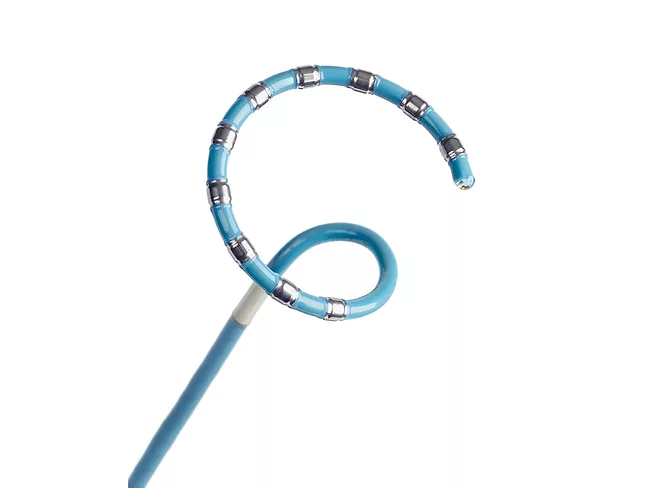
Johnson & Johnson launched its latest pulsed field ablation (PFA) catheter, Varipulse Pro, in Europe following CE mark approval, bringing another option to electrophysiologists looking to adopt PFA technology. The system features a new pulse sequence with a lower temperature profile and enables ablation that is five times faster than the previous sequence, while achieving equivalent lesions. It represents another significant development in the rapidly evolving PFA market that has transformed cardiac ablation treatment.
South Korea is rolling out regulatory changes to speed biosimilar development, including reforms to shorten review timelines, ease phase III trial requirements and simplify oversight of manufacturing changes.
Don’t like a court order? Sidestep it. That seems to be the idea behind U.S. Health and Human Services Secretary Robert Kennedy’s latest changes to his renewal of the charter for the CDC’s Advisory Committee on Immunization Practices (ACIP).
Do state laws requiring drug companies to give steep 340B drug discounts to an unlimited number of contract pharmacies, with no claims data required, interfere with a longstanding contract between the U.S. Congress and biopharma? Or do such laws merely flex states’ authority over pharmacy practices such as delivery?
 RSS
RSS