Biopharma and med-tech companies raising money in public or private financings, including: Abbott, Allurion, Alveus, Brainomix, Centauri, Exact Sciences, Salspera, Slate, Tandem Diabetes.
New hires and promotions in the biopharma and med-tech industries, including: Amber, Artiva, Boston Scientific, Diality, Helus, Human Continuum, Kyverna, Portal Access, Tectonic, Therna.
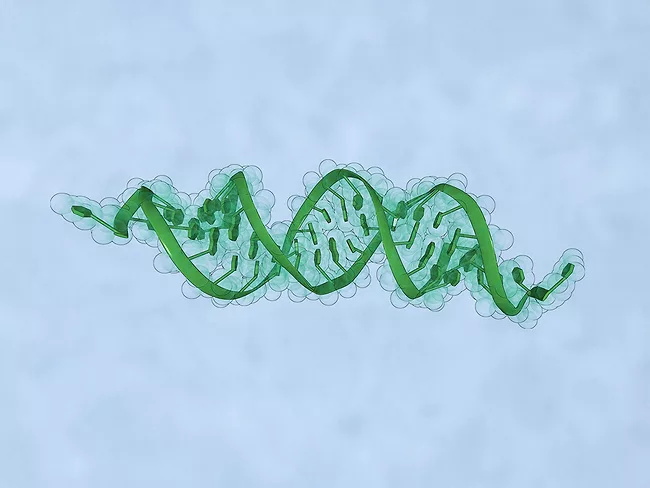
GSK plc will pay Frontier Biotechnologies Inc. $40 million up front and up to $963 million in milestone payments to license two of Frontier’s small interfering RNA-based assets in the field of immunology.
United Therapeutics Corp.’s founder, chairman and CEO Martine Rothblatt disclosed during the company’s fourth-quarter earnings call Feb. 25 the “unsheathing of a category killer product” known as Tresmi, a drug-device formulation of treprostinil delivered via a soft mist inhaler.
U.S. Health and Human Services Secretary Robert Kennedy is facing a second lawsuit challenging his replacement of all the members of the Advisory Committee on Immunization Practices (ACIP) and seeking to undo the CDC’s Jan. 5 revision of its childhood immunization schedule.
This year, European med-tech companies continue to navigate an uncertain macro environment created by the reciprocal tariffs on goods entering the U.S., their primary market. Some companies though are adapting supply chains and manufacturing strategies, while others are looking to diversify into other regions. Their technologies after all, address clinical needs, so the sector continues to innovate, conduct trials, present data, raise funds, and deliver products which improve patients’ lives.
While the annual State of the Union address has morphed over the years from a summation of the state of the U.S. government and the president’s legislative agenda into political theater on both sides of the aisle, President Donald Trump did include some recommendations to Congress in his Feb. 24 speech. Among those recommendations was a request for Congress to codify his most-favored-nation pricing policy for prescription drugs.
Coming off a U.S. FDA approval of the first GLP-1 in pill format, Novo Nordisk A/S leaned further into oral drug delivery efforts, partnering with Vivtex Corp. to develop next-generation oral formulations of peptide and protein therapeutics in a potential $2.1 billion deal that marks the highest-profile news for Vivtex since the firm spun out of MIT in 2018.
GSK plc is paying $950 million cash to acquire 100% of 35Pharma Inc.’s equity and pipeline, including phase II-ready candidate HS-235 for pulmonary hypertension. The acquisition agreement comes a day after GSK added two small interfering RNA assets from Nanjing, China-based Frontier Biotechnologies Inc. through a license deal reaching up to $1 billion.

 RSS
RSS