Biopharma happenings, including deals and partnerships, grants, preclinical data and other news in brief: Aditxt, Appili, Arecor, BMS, Chugai, Prime Medicine, Rani, Skye.
Clinical updates, including trial initiations, enrollment status and data readouts and publications: Alnylam, Apnimed, Applied, Armata, Atsena, Cytokinetics, Cytora, GT, Intellia, Ionis, Novelmed, Prime Medicine, Savara, Tectonic.
Five years after the COVID-19 pandemic gripped the world, the U.S. FDA is moving away from annual routine boosters for all children and adults. Instead of that one-size-fits-all regulatory framework by which it has granted broad COVID-19 vaccine marketing authorization for all Americans older than 6 months, the agency said it’s adopting a policy akin to that followed in Europe, which now restricts the vaccines to older adults and those at high risk for severe disease.
Pfizer Inc. is paying $1.25 billion up front and up to $4.8 billion in milestone payments to gain global, ex-China rights to SSGJ-707, a PD-1/VEGF bispecific antibody from 3Sbio Inc. that recently won China clearance for a phase III study in lung cancer as a potential first-line monotherapy. Announced after U.S. market hours May 19, the exclusive agreement for SSGJ-707 spells up to $6.15 billion combined for Shenyang, China-based 3Sbio, along with separate tiered double-digit royalty payments on sales of SSGJ-707, if approved.
The U.S. Department of Health and Human Services (HHS) put biopharma companies on notice May 20: It’s time to commit to reducing prescription drug prices to reflect most-favored-nation (MFN) pricing in accordance with President Donald Trump’s May 12 executive order. HHS said it expects manufacturers to commit to aligning their U.S. prices for all brand products across all markets that don’t currently have generic or biosimilar competition with the lowest price of a set of economic peer countries.
The credibility gap in psychedelic drug development continues to narrow with positive top-line data from a Beckley Psytech Ltd. phase IIa study in depression. The results keep the treatment into a tight race with GH Research plc, which also has an inhalable drug in development.
The morning’s negative stock reaction to Tourmaline Bio Inc.’s phase II news with heart drug pacibekitug had some onlookers scratching their heads, even as analysts congratulated the company on results from the ongoing study – a good-news dataset to which the market gradually caught on as the day progressed.
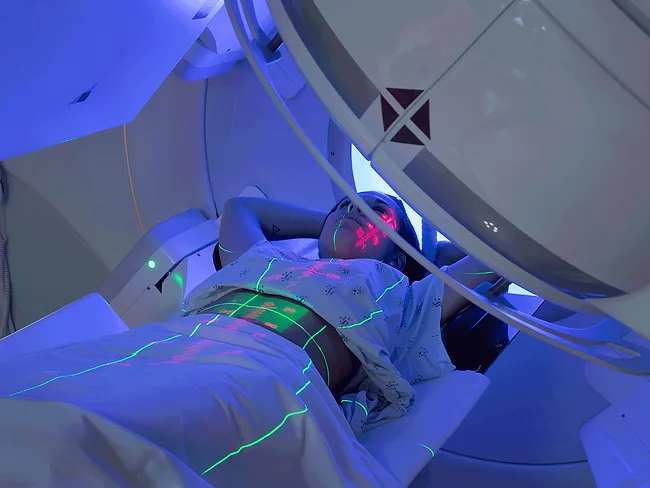
Researchers at the University of Chicago have shed light on the role of tumor-promoting factors induced by radiotherapy and their potential impact on future therapeutic strategies. The article, published in Nature on May 14, 2025, points to radiation-induced amphiregulin as a key driver of tumor metastasis.

 RSS
RSS