Alzheon Inc.’s oral treatment for people in the early stages of Alzheimer’s disease missed its phase III primary endpoint, adding yet another therapy to a long list by many developers that can’t beat dementia. The study also received grant money, which is in increasingly short supply.
The current treatment strategies for neurodegenerative diseases focus on targeting Aβ in Alzheimer’s disease (AD), α-synuclein aggregates in Parkinson’s disease (PD) and anti-tau therapies, which are primarily used in AD but are also being explored for PD. At the 2025 International Conference of Alzheimer’s & Parkinson’s Disease and Related Neurological Disorders, Aditya Iyer, senior RD scientist from Amyl Therapeutics Srl, presented data on an option which could potentially serve as a pan-amyloid therapeutic.
Regulatory snapshots, including global drug submissions and approvals, clinical trial approvals and other regulatory decisions and designations: Abbvie, Avidity, Astrazeneca, Catalyst, Comanche, Daiichi Sankyo, Kura Oncology, Kye, Kyowa Kirin, Outlook, Tenpoint, Theratechnologies, Vertex.
Biopharma happenings, including deals and partnerships, grants, preclinical data and other news in brief: Defence, Evenus, Fresenius Kabi, Hengrui, Kaken, Kalvista, Ocuvex, Onconetix, Pacira, Synthego, Vita.
Clinical updates, including trial initiations, enrollment status and data readouts and publications: Argenx, Cartesian, Harmony, J&J, Maat, Opus Genetics, Rallybio, Sellas.
As developers continue to search for better amyotrophic lateral sclerosis (ALS) therapies, Neurosense Therapeutics Ltd. turned up some hopeful findings from its phase IIb Paradigm trial with PrimeC. The drug, a combination therapy (ciprofloxacin and celecoxib) designed to target multiple ALS pathways, is having salutary effects on microRNA modulation (miRNA), Neurosense said, with the study showing a “profound and consistent” downregulation of 161 mature miRNAs across all time points in the double-blind period of the experiment.
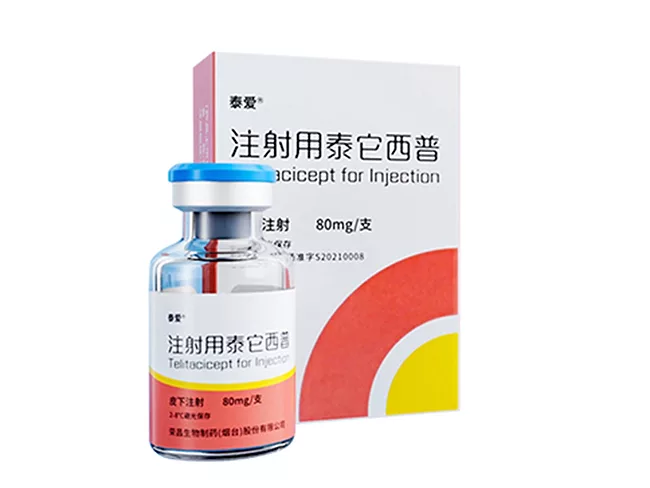
Remegen Co. Ltd. emerged as a surprise challenger in the generalized myasthenia gravis space, unveiling positive phase III data of its China-approved lupus drug, telitacicept (RCT-18; Tai’ai), in the rare autoimmune neuromuscular disorder at the 2025 American Academy of Neurology conference.
The U.S. National Security Commission on Emerging Biotechnology (NSCEB) is urging Congress to reinvest in American biotechnology because “the U.S. is dangerously close to falling behind China,” according to a May 8 report. "The United States is locked in a competition with China that will define the coming century," said NSCEB Chair Senator Todd Young (R-Ind.). “Biotechnology is the next phase in that competition. It is no longer constrained to the realm of scientific achievement. It is now an imperative for national security, economic power and global influence.”
 RSS
RSS