The U.S. FDA clearance Feb. 20 of East Windsor, N.J.-based Acrotech Biopharma Inc.’s PDE4 inhibitor Adquey (difamilast ointment 1%) for mild to moderate atopic dermatitis brought renewed focus on the mechanism, where other drugs are already approved and more are stocking developers’ pipelines across indications.
BioWorld tracked 144 clinical trial readouts across phases I through III in January 2026, down from 215 in December. January included 15 phase III trials reporting positive results and three that failed to meet key endpoints. By phase, the month’s updates consisted of 60 from phase I, 44 from phase II and 40 from phase III.
The U.S. CDC’s Advisory Committee on Immunization Practices (ACIP) has two new members, bringing its total membership to 15. As he has done since dismissing the entire ACIP panel last June, Health and Human Services Secretary Robert Kennedy named the new members, Angelina Farella and Sean Downing, barely two weeks before the next ACIP meeting, March 18-19.
Ascendis Pharma A/S’ Yuviwel (navepegritide) gained U.S. FDA accelerated approval Feb. 27 for children 2 and older with the rare genetic bone growth disorder achondroplasia, also known as dwarfism, winning the company a rare pediatric disease priority review voucher
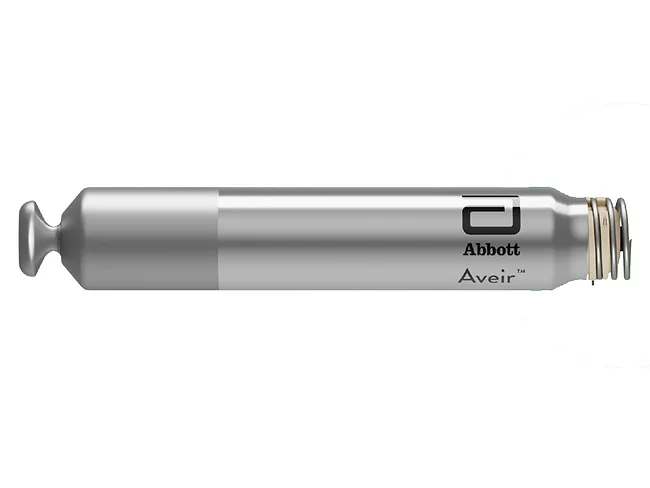
The U.K.’s National Institute for Health and Care Excellence (NICE) recommendation that leadless cardiac pacemakers be used as the standard of care for people with slow heart rhythms (bradyarrhythmias) is a boon for more than 2 million individuals living with the condition. The use of the technology will transform patients’ quality of life, reduce rates of infections and lower costs for the health care system.
The busy Prader-Willi syndrome (PWS) space took another hit as did shares of Aardvark Therapeutics Inc. (NASDAQ:AARD), which closed March 2 at $5.47, down $7.02, or 56%, after the company disclosed a voluntary pause of the phase III Hunger Elimination or Reduction Objective (HERO) trial testing ARD-101 as a treatment for hyperphagia, or intense hunger, in patients with the disease.
Uniqure NV is the latest firm to get caught between the FDA’s shifting demands for “gold standard” science and regulatory flexibility for rare disease therapies. The company disclosed in its latest earnings report that U.S. regulators are calling for a sham-controlled study before they will consider approval of gene therapy AMT-130 in Huntington’s disease, a requirement that could set the program back by two to three years and raises potential ethical issues.
 RSS
RSS