HONG KONG – Singapore-based X-Zell Biotech Pte. Ltd. has emerged as the winner of the Medtech Innovator Asia Pacific 2020 Accelerator program, as determined by a live virtual audience vote. Winning the competition, organized by Medtech Innovator and the Asia Pacific Medical Technology Association (APACMed), earned X-Zell a $150,000 non-dilutive grand prize to advance its business goals and mission.
Following steady expansion of its base among global pharmaceutical companies, Correlia Biosystems Inc. has secured the capital needed to make its nanotechnology-based immunoassay platform commercially available. The company received an infusion of $7 million in series A financing in a round led by Neotribe Ventures with participation by Cota Capital, the Regents of the University of California and others.
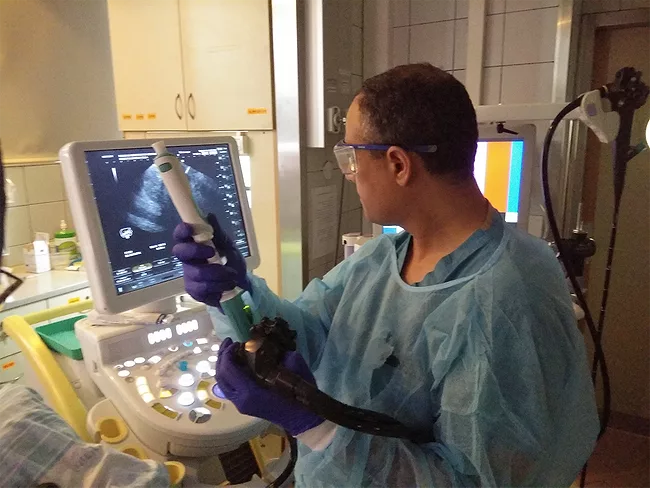
Endoscopic ultrasound-guided biopsy startup Limaca Medical Ltd. has raised $1.25 million of a $1.5 million round to advance its next-generation Precision device. The company said it will use the funds to complete first-in-human procedures, conduct postmarket clinical studies and gain regulatory approvals of Precision for gastrointestinal (GI) system and adjacent organ tumors.
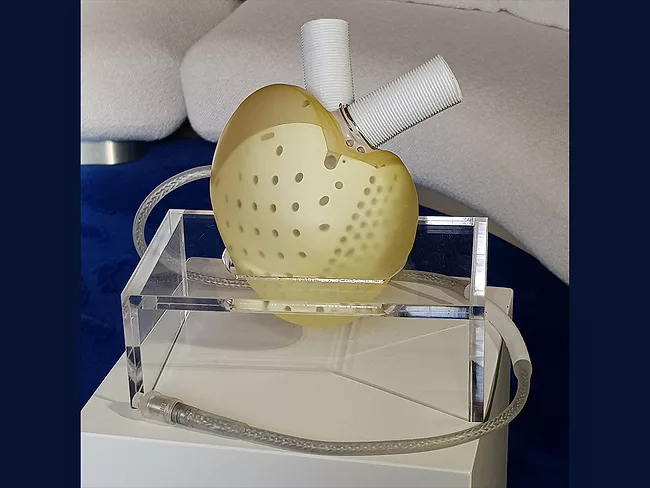
PARIS – Carmat SA has closed an $11.8 million loan in the form of a government-backed loan from a French banking syndicate. In an environment made uncertain by the COVID-19 crisis, Carmat will be able to continue its clinical development program on its total artificial heart, undisturbed. “This financing facility contributes to securing our cash position and extends our financial visibility through to the third quarter of 2021,” Stéphane Piat, CEO of Carmat, told BioWorld.
The U.S. FDA cleared Alivecor Inc.'s Kardia AI V2 interpretive electrocardiogram (ECG) algorithm for use in its personal ECG app and devices. Currently, the Kardia line permits consumers to take a 30-second medical grade ECG at home and instantly see whether they are exhibiting symptoms of atrial fibrillation, bradycardia, tachycardia or have normal heart rhythm.
GT Medical Technologies Inc. revealed that it has raised $16 million in a series B financing round led by MVM Partners, which was joined by existing investors Medtech Venture Partners and Bluestone Venture Partners. Funds will support the expanded commercialization of Gammatile Therapy, a surgically targeted radiation therapy (STaRT) that is intended to help patients with brain tumors.
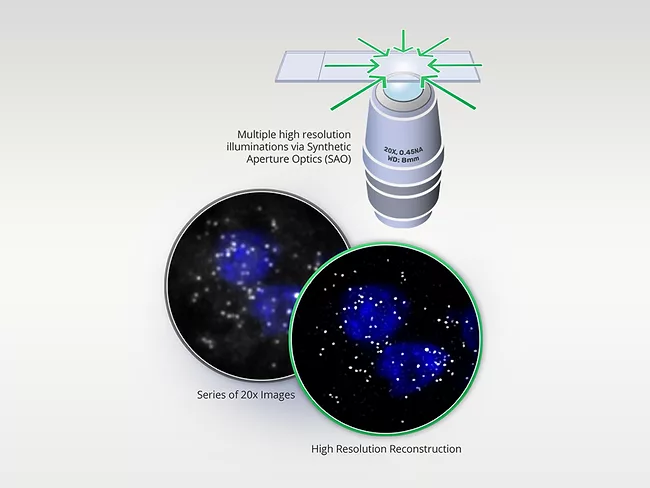
Rebus Biosystems Inc. has closed a $20 million series B fundraising round. The financing round was led by Illumina Ventures with participation by Lifecore Partners, Ncore Ventures, Xolon Invest, Ctk Investments, Ray Co. Ltd., Seegene Medical Foundation, Labgenomics Co. Ltd. and Timefolio Asset Management. Rebus builds spatial omics tools, assays and platforms. The company plans to use the new funding to support commercialization of its spatial omics solution and expansion of its marketing, sales, research, and product development teams, said Rebus CEO Paul Sargeant. Rebus plans to launch its automated, standalone Rebus Biosystems instrument and optimized assay kits for spatial transcriptomics early in 2021.
 RSS
RSS