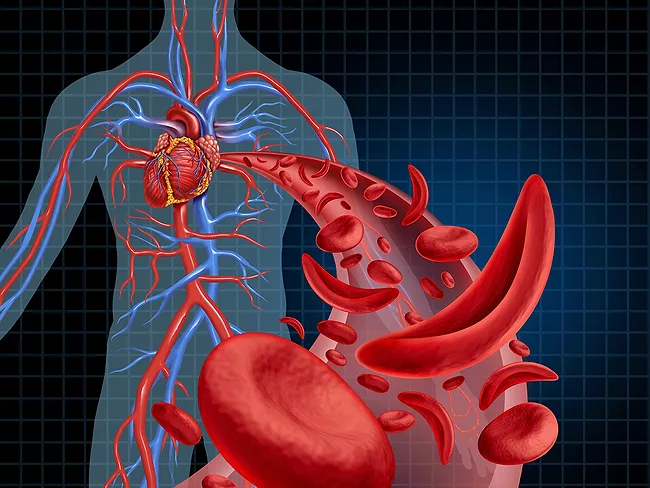
Princeton University spinout Neutigers Inc. is launching a study to explore the use of artificial intelligence (AI) and everyday wearables to flag early symptoms of sickle cell anemia vaso-occlusive crisis (VOC) before they get worse and land patients in the hospital. The aim is to reduce deaths and facilitate interventions to address the entire continuum of care for patients with the inherited red blood cell disorder, Adel Laoui, founder and CEO, told BioWorld.
Adela snapped up $60 million in a series A financing round to commercialize its blood test for cancer detection and disease monitoring. At the same time, the company announced its name change from Dnamx Inc. The Adela system profiles all methylated DNA fragments in a blood sample, allowing it to determine the tissue of origin early in development of a malignancy and potentially simplifying screening across all cancer types.
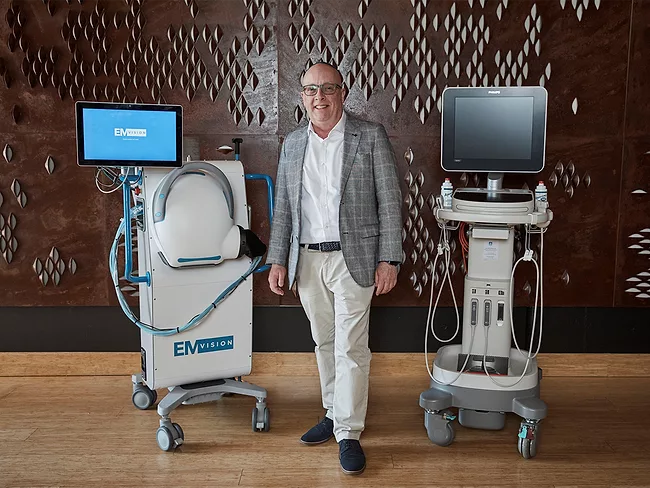
PERTH, Australia – Emvision Medical Devices Ltd.’s stroke helmet could potentially transform care for stroke patients by treating them at the bedside or before they even get to the hospital. The company’s portable, non-ionizing brain scanner is capable of rapidly producing quality images to help paramedics determine if a stroke is ischemic or hemorrhagic.
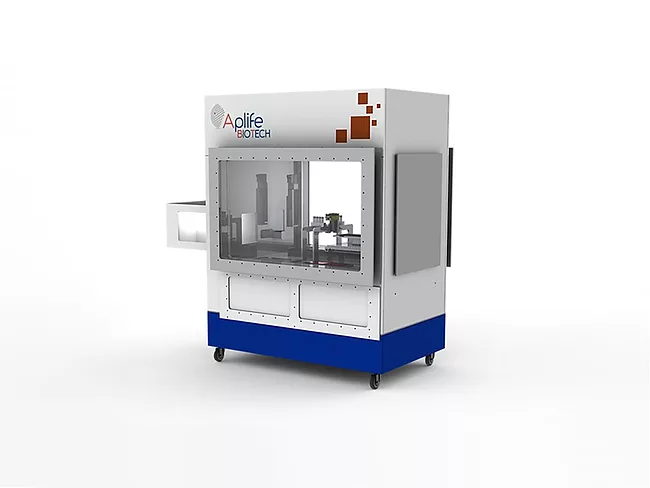
Startup Aplife Biotech is tapping into the rapidly growing market for biosensors that can expand the capacity of hand-held devices to screen for thousands of pathologies from a single drop of blood. Using technology developed in Argentina to print DNA structures on microchips, the company’s goal is to screen as many as 20 million probes with the potential to convert molecular interactions into electrical signals, opening a path for med-tech developers and manufacturers to explore new solutions for personalized health care.
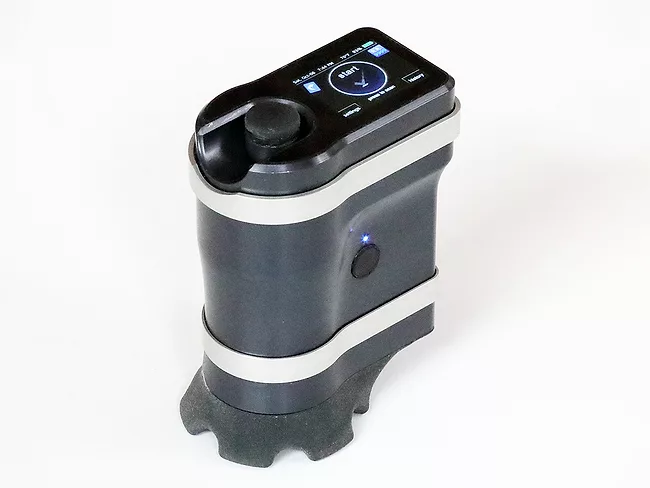
Veriskin Inc. has emerged from stealth mode with a noninvasive technology for skin cancer diagnosis and screening. The hand-held device, called Truscore, is designed to help nonexpert users quickly ascertain if a suspicious skin lesion is cancerous. Truscore works by detecting and interpreting force-induced hemodynamic differences between normal and malignant skin sores. It uses a proprietary artificial neural network-based artificial intelligence algorithm and protocols to differentiate skin cancers from other harmless skin conditions.
TORONTO – Startup company Stoko Inc. has raised C$6 million (US$4.74 million) in seed funding to accelerate market expansion of a device it said will give rigid knee braces a run for their money.
While saying "white rabbit, white rabbit" on the first of the month may be a luck-bringing superstition, Whiterabbit.ai aims to take luck out of the equation in identifying early breast malignancies. The Santa Clara, Calif.-based company emerged from stealth mode with FDA clearance for its Wrdensity tool, two other products, and more than $49 million in funding to date.
Egnite Inc. emerged from stealth mode in February 2021 with the goal of combining data analytics and digital health technology to illuminate and solve persistent issues in the diagnosis and treatment of structural heart disease. Three months later, it has added artificial intelligence (AI) to its flagship solution, Cardiocare, to drive better diagnosis of aortic stenosis and help physicians predict patient outcomes.
PARIS – Imageens SAS just raised a $1.4 million seed round to develop its two artificial intelligence (AI) systems in the field of medical imaging in Europe. Its first solution Artfun+, an AI software application, makes it possible to anticipate cardiovascular pathology thanks to new prognostic biomarkers. Its second product is Label, an algorithm which automatically classifies and assesses medical imaging data.
Xenter Inc. has officially launched, positioning itself as the first startup device/data/drug med-tech company. The company is developing wireless solutions for interventional cardiology, interventional radiology and neurointerventional radiology. The company’s goal is to take the medical devices that have been used most ubiquitously throughout medicine, one by one, and replace them with smart technologies that incorporate such things as software, sensors and signals technologies.
 RSS
RSS