IMU Biosciences Ltd. is working to transform society’s understanding of the immune system. The company’s platform maps the immune system at molecular, cellular and system levels, to unlock new insights into immune-related health and diseases, paving the way for clinical applications that could improve patient outcomes.
The U.S. FDA cleared Respiree Pte. Ltd.’s 510(k) for its RS-001 cardio-respiratory wearable that measures respiration and offers passive cardio-respiratory monitoring.
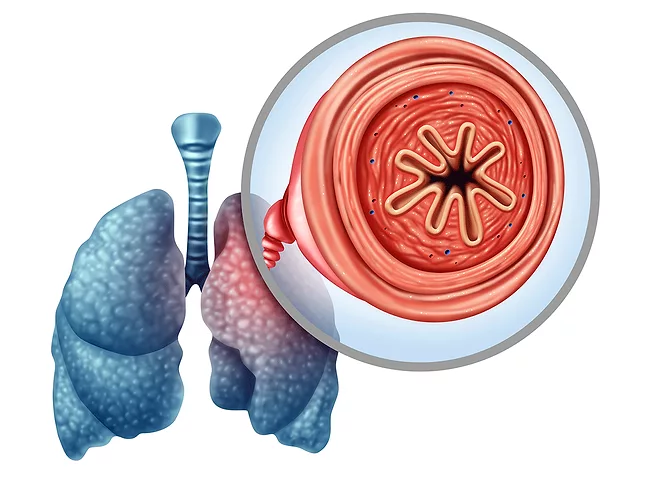
Recently launched Irish startup Phyxiom Ltd. hopes that its digital health platform will transform the clinical outcomes for patients with asthma and chronic obstructive pulmonary disease. By providing clinicians with real-time insights into lung function and medication adherence, the platform improves diagnosis accuracy and treatment outcomes.
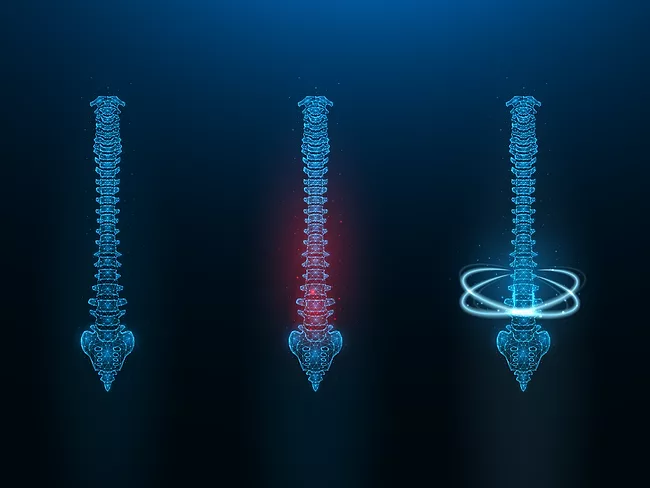
Aclarion Inc.'s Nociscan, an AI-augmented platform that leverages MR spectroscopy to noninvasively identify the discs causing low-back pain, enables precise targeting of surgical intervention, resulting in 97% success. That’s roughly double the rate of 48% to 54% seen in conventional procedures for discogenic lower back pain, Aclarion CEO Brent Ness told BioWorld.
Elysium Therapeutics Inc. aims to tackle the problem of opioid overdose with a longer-lasting rescue agent that gets around the not-much-publicized problem of fentanyl rebound, or re-narcotization, which happens when the standard reverser wears off and the culprit drug stays active in the body, potentially killing the patient.
Shanghai Moyom Biotechnology Co. Ltd. has launched its Aphranel Magiccrystal dermal filler, the first injectable calcium hydroxylapatite microsphere-based dermal filler developed in China, and the company is already expanding globally.
Olympus Corp.’s “active investment” in endoluminal robotics has materialized in a new joint venture med-tech called Swan Endosurgical Inc., with Revival Healthcare Capital LLC.
Actithera A/S is poised to bring small-molecule pharmacokinetics to radiopharmaceuticals after closing a $75.5 million series A that will fund initial clinical development of a candidate targeting the elusive fibroblast activation protein (FAP).
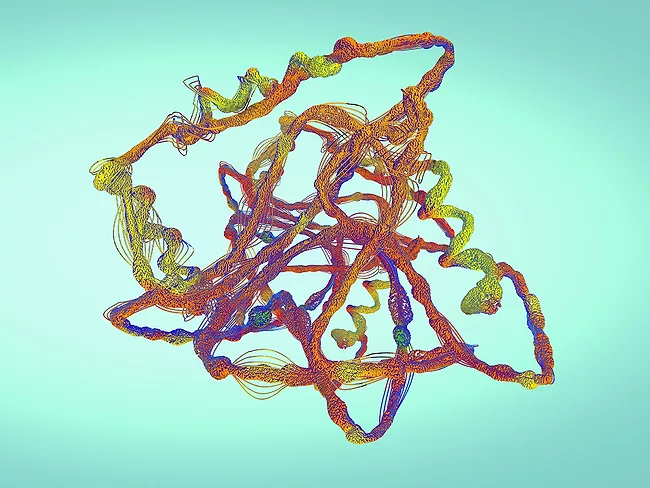
The Alphafold machine learning system for predicting a protein’s structure from its amino acid sequence has been adapted to make it possible to design de novo proteins that fold in a particular way and bind to prespecified target proteins. The sister system, called Alphadesign, works by generating random strings of amino acids, using Alphafold to predict their structure, and then iteratively optimizing the design.
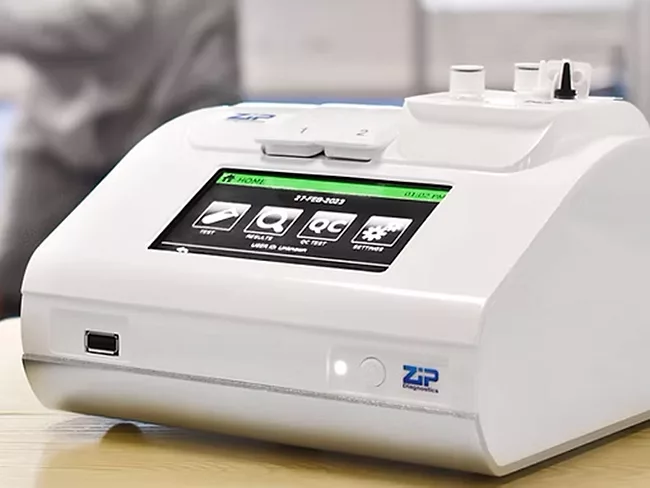
Zip Diagnostics Pty Ltd., Menzies School of Health Research and Axxin Pty Ltd., a Melbourne, Australia-based
diagnostic instrumentation manufacturer, partnered to develop a rapid diagnostic test for scabies, a skin parasite that affects more than 200 million people each year.
 RSS
RSS