The U.S. FDA has given a green light to Brainlab AG for two new additions to its robotic surgery systems. The agency granted 510(k) clearances for the Loop-X mobile imaging robot and the Cirq Robotic Alignment module for spine procedures, paving the way for U.S. market entry.
COVID-19 vaccine developers should begin testing their vaccines against emerging variants now and assessing booster regimens, the FDA said in an update to its October guidance on emergency use authorizations (EUAs) for the vaccines.
Regulatory snapshots, including global submissions and approvals, clinical trial approvals and other regulatory decisions and designations: Brainlab, Piccolo Medical.
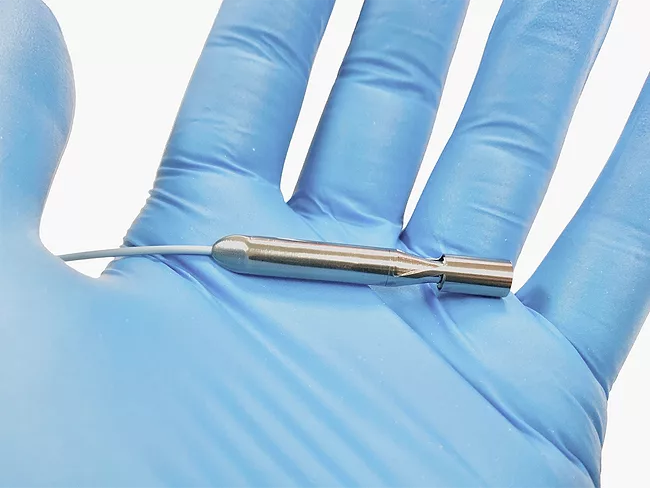
TORONTO – Puzzle Medical Devices Inc. has been granted a U.S. FDA breakthrough device designation for a transcatheter heart pump designed for fragile patients with few minimally invasive options for treating advanced heart failure.
PERTH, Australia – About seven years ago, Australia’s George Institute for Global Health conducted a study to find out how many people require dialysis for end-stage kidney failure compared to how many people receive treatment.
The Washington Legal Foundation’s (WLF) webinar on False Claims Act (FCA) litigation highlighted several developments in case law, including that non-relator FCA cases were up significantly in fiscal year 2020. However, Jay Stephens, an attorney with Kirkland & Ellis LLP, noted that Sen. Chuck Grassley (R-Iowa) has taken aim yet again at the materiality standard for false claims as spelled out in the Supreme Court’s Escobar, a move which if successful could amplify the federal enforcement focus on life science companies.
The latest global regulatory news, changes and updates affecting medical devices and technologies, including: White House names pick for CMS administrator’s post; FDA posts advisory for pulse oximetry; CDC: Telehealth visits dropped over last half of 2020; CRS says user fee shares of total review costs on the rise; Federal Circuit kicks case back to PTAB.
If the SARS-CoV-2 virus has achieved anything useful in the world of in vitro diagnostics, it’s that the associated pandemic has shone a bright and unsparing light on the respective merits of diagnostic and surveillance testing. Harvard University’s Michael Mina, an assistant professor of epidemiology, was one of several academic researchers who took up the gauntlet yet again in opposition to what they characterized as a gross misunderstanding of the respective roles of these types of tests, a misunderstanding they said must be addressed if the pandemic is to be corralled.
 RSS
RSS