The question of screening for the COVID-19 pandemic continues to absorb the interest of both the U.S. FDA and test developers, and Tim Stenzel, director of the FDA’s Office of In Vitro Diagnostics and Radiological Health (OIR), said in a July 22 webinar that the FDA is “very interested” in a fingerstick test at the point of care for screening purposes, adding that the agency sees any such applications as a priority.
Becton, Dickinson and Co. (BD) has received a green light for a premarket approval supplement from the U.S. FDA for an expanded version of its BD Onclarity HPV assay. It includes the expansion for genotype reporting beyond human papilloma virus (HPV) genotypes 16, 18, and 45.
Artificial intelligence (AI)-focused Caption Health Inc. has scored a green light from the U.S. FDA for an updated version of Caption Interpretation, which aims to help clinicians gain quick, easy and accurate measurements of cardiac ejection fraction (EF) at the point of care.
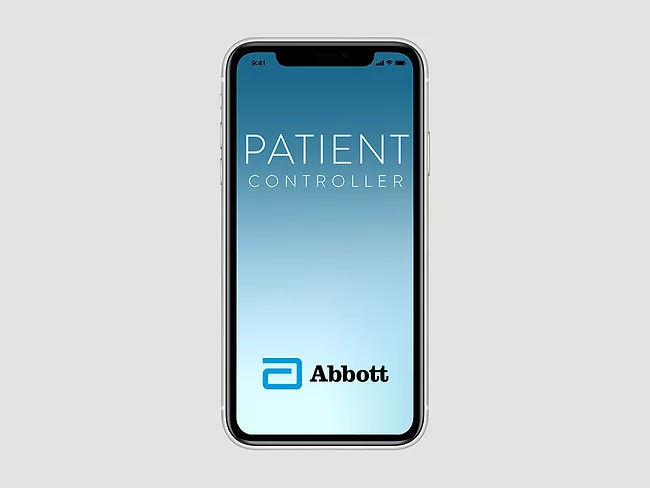
Abbott Laboratories has won the U.S. FDA’s nod for an iOS-compatible app that is designed to optimize care for people using the company’s neuromodulation devices to manage their chronic pain and movement disorders. The digital tool, which can be used on several Apple devices, is part of Abbott’s Neurosphere Digital Care connected care management platform, which launched in May.
Regulatory snapshots, including global submissions and approvals, clinical trial approvals and other regulatory decisions and designations: Abbott, Beckman Coulter, Caption Health, Inspiremd, Nobilis, Palliare, Thermo Fisher.
The U.S. government has charged two citizens of China with cybercrime in connection with purported hacking of research into vaccines for the SARS-CoV-2 virus, but more than one speaker on a July 22 webinar said scientists involved in basic life science research at universities fail to appreciate the need for cybersecurity, a problem they may take with them to the private sector.
PERTH, Australia – The U.S. FDA gave the thumbs up to Australia’s Micro-X Ltd. for its Rover mobile X-ray system. The 510(k) application was cleared in just five weeks. The concept for the Rover was originally developed under a contract with the Australian Department of Defense to prove that Micro-X’s technology could fulfill an unmet need for a full performance, digital medical X-ray imager that was light enough to be used in deployed medical facilities.
 RSS
RSS