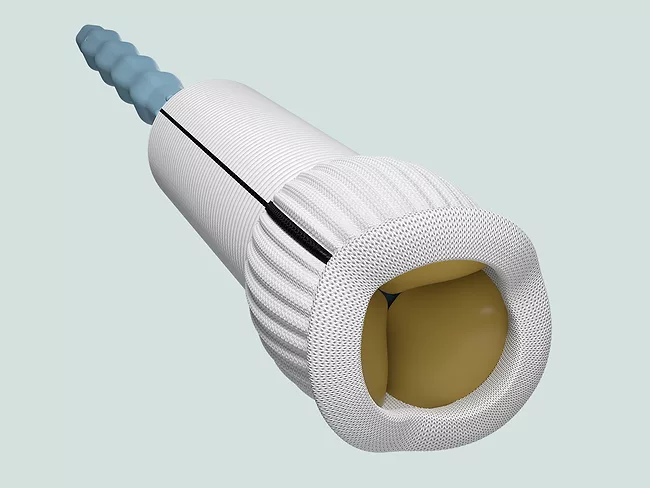
Edwards Lifesciences Corp. has scored an approval from the U.S. FDA for the Konect Resilia aortic valved conduit, a ready-to-implant solution for bio-Bentall procedures.
The latest global regulatory news, changes and updates affecting medical devices and technologies, including: American Telemedicine Association, Heraeus, Zimmer Biomet.
Regulatory snapshots, including global submissions and approvals, clinical trial approvals and other regulatory decisions and designations: 3D Med, 7D Surgical, Abiomed, Invo Bioscience, M.I. Tech, Todos Medical.
Regulatory snapshots, including global submissions and approvals, clinical trial approvals and other regulatory decisions and designations: Clinical Computer Systems, Diacarta, Edwards, Huntleigh Healthcare, Icad, Paragon 28.
The U.S. FDA has a number of draft guidances in queue thanks to the COVID-19 pandemic, but released two final guidances in mid-July, including the guidance for clinical investigations for prostate tissue ablation devices. Stakeholders pressed the agency to avoid a fixed period of follow-up for such studies due to variability in the elapsed time for device-related adverse events, but the agency stuck to the draft’s mandate for at least a year of follow-up.
Regulatory snapshots, including global submissions and approvals, clinical trial approvals and other regulatory decisions and designations: Avicenna.AI, Corneat Vision, Dante Labs, GI Supply, Hd Medical, Qubyx, Revamp Medical, Vela Diagnostics, Vitls, Viveve.
Electrocore Inc. has snagged an emergency use authorization (EUA) from the U.S. FDA for use of its Gammacore Sapphire CV noninvasive vagus nerve stimulation (nVNS) to acutely treat asthma exacerbations in known or suspected COVID-19 patients. The hand-held therapy can be used at home and in a health care setting.
 RSS
RSS