It’s been a year since U.S. FDA Commissioner Robert Califf first started talking about reforming the agency’s advisory committee process. Now the FDA is moving beyond talking about it to listening. The agency has scheduled an all-day listening session June 13 to get feedback on optimizing the use of adcoms and the processes involved.
Looking beyond the U.S. biopharma industry, Sen. Bernie Sanders (I-Vt.) is now pushing the International Federation of Pharmaceutical Manufacturers and Associations to get on board with the World Health Organization’s proposed Pandemic Accord aimed at making diagnostics, treatments and vaccines available to everyone who needs them.
The U.S. Federal Trade Commission’s final rule for noncompete clauses in employment contracts would seem to endanger life science patents and trade secrets, but there is a question of whether the agency stepped outside its statutory bounds in forming the rule. The U.S. Chamber of Commerce has already filed suit on the rule, but Joshua Rich of McDonnell Boehnen Hulbert & Berghoff LLP told BioWorld, that the Chamber is unlikely to be the last entity to file suit over the rule.
The process of manufacturing autologous T-cell therapies is technically challenging when compared with other oncology drugs, making the overall cost of developing CAR T therapies significantly higher. A challenging reimbursement environment for drugs listed on China’s National Reimbursement Drug List also means that most patients will have to pay out of pocket to access CAR T therapies. Taken together, complex logistics – production, manufacturing and supply chain – and complicated administration requirements are key bottlenecks that inflate the input costs involved in developing these specialized treatment options.
As of Jan. 31, 2024, there were more than 300 CAR T trials registered in China, surpassing the U.S. and becoming the country with the most CAR T therapy clinical trials. Among them, CD19 is the most frequently studied target, according to BioWorld and Cortellis. The rapid evolution of CAR T-cell therapies in China has escalated over the past decade from the start of the first clinical trials in 2013 to the country becoming an established host for CAR T-cell-related trials by 2017, according to Yongxian Hu and researchers from Zhejiang University in Hangzhou, China. Chinese cell therapy companies – backed by $2.37 billion in funding in 2021 – have since significantly increased basic research and trial output for CAR Ts, which was welcomed by large patient demand.
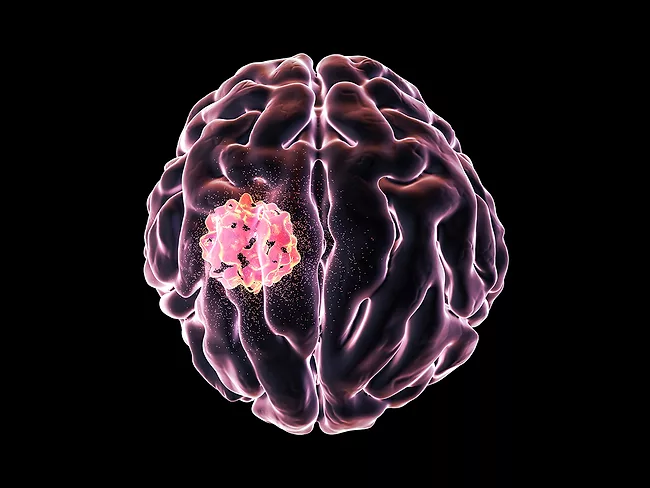
The U.S. FDA granted fast track designation to Telix Pharmaceutical Ltd.’s TLX101-CDx for glioma imaging as the firm prepares to file its NDA in the first half of 2024, a Telix spokesperson told BioWorld.
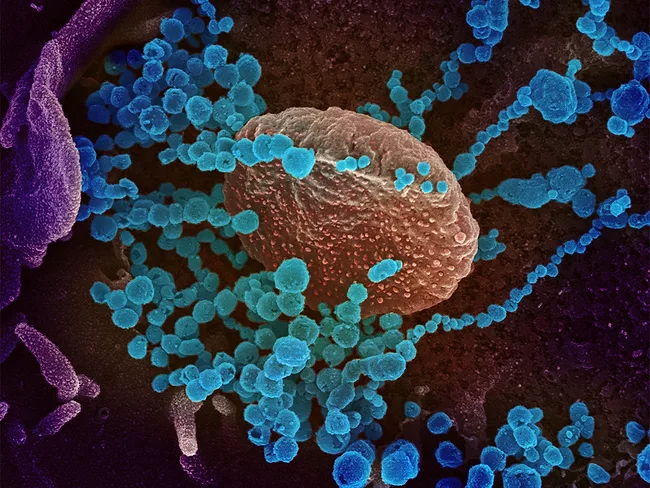
SARS-CoV-2 could proliferate in the lungs causing severe COVID-19 through a special type of immune cell. A group of scientists from Stanford University observed how this coronavirus infected interstitial macrophages through a CD209 receptor, triggering the inflammatory response observed in hospitalized patients.
A quick jury verdict that a biopharma official was guilty of insider trading validated the U.S. SEC’s broader view of what constitutes such trading and could ignite more SEC “shadow trading” investigations and allegations. Following an eight-day trial before the U.S. District Court for the Northern District of California and a little more than two hours of deliberation, a jury found April 5 that Matthew Panuwat violated national securities laws when he purchased short-term, out-of-the-money stock options in Incyte Corp. in 2016.
As with most common diseases of the developed world, aging is the major risk factor for developing cancer. Most of the half-dozen hallmarks of precancer that were published last week by investigators from Vanderbilt University and the Fred Hutchinson Cancer Research Center are also hallmarks of aging.
Unfortunately, scientists reported at the American Association for Cancer Research’s (AACR) 2024 annual meeting this week that accelerated aging is increasing, and may be driving an increase in early-onset cancers.
At a recent meeting on “Research priorities for preventing and treating Alzheimer’s disease and related dementias” (ADRD), convened by the National Academies, one consensus priority on ADRD research was that there needs to be more of it at every stage. Several speakers presented stark numbers on the relative volume of research in cancer and neurodegeneration. Research output, measured in peer-reviewed papers, for dementia is estimated to be around 10,000 papers annually, compared to 150,000 for cancer, while AD clinical trials are also few and far between compared to cancer trials. This final installment of BioWorld’s series on Alzheimer’s explores some of the reasons for this discrepancy along with the latest advances and ongoing efforts to accelerate research and drug development in the field.

 RSS
RSS