Regulatory snapshots, including global submissions and approvals, clinical trial approvals and other regulatory decisions and designations: Clearpoint Neuro, CSL Vifor, Travere.
Med-tech happenings, including deals and partnerships, grants, preclinical data and other news in brief: Almaden, Atrium Health, Bigomics, BMI Organbank Cleerly.
In what represents its first patenting, San Diego-based Intrigue Health Inc. seeks protection for a diagnostic kit that its inventors say will bring clinical laboratory quality testing directly into the home and to non-healthcare facilities.
The U.S. FDA issued an update to a previous advisory to doctors regarding the use of electromyogram endotracheal tubes made by Dublin-based Medtronic plc., but there is still some noise in the agency’s communications regarding this matter.
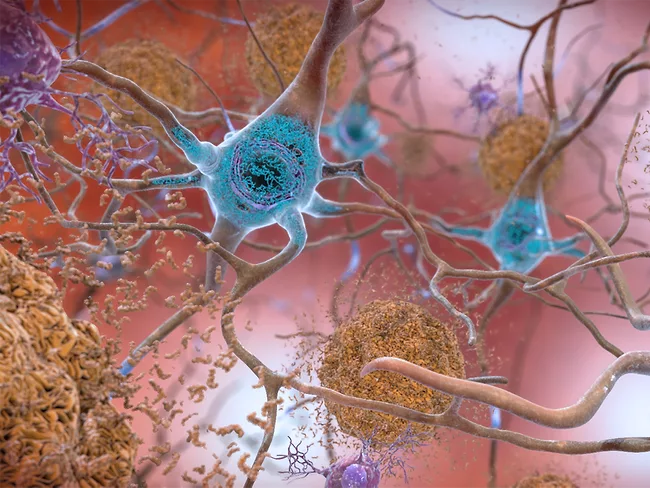
A new cutting-edge blood-based biomarker test developed by researchers at Hong Kong University of Science and Technology can detect early Alzheimer’s disease (AD) and mild cognitive impairment (MCI), with accuracy rates surpassing 96% and 87% respectively, and could be a game changer in detecting and treading early AD.
Vessi Medical Ltd. recently closed a series A financing round at $16.5 million for the advancement of its cryotherapy technology to treat non-muscle invasive bladder cancer (NMIBC). Vessi believes that its minimally invasive device can provide a therapeutic alternative to a transurethral resection of bladder tumor (TURBT) procedure, the current first line therapy to treat the disease.
Zimmer Biomet Holdings Inc.’s Rosa robotics surgical assistant snapped up its fourth application with the U.S. FDA’s 510(k) clearance for use in shoulder replacement surgery. Over the past five years, the system has built a portfolio that includes partial and total knee replacement and total hip replacement.
Since its founding by the National Institutes of Health (NIH), the scientists of the All of Us Research Program have set the goal to analyze the largest diversity of the genomic population in the country and end the under-representation of its different groups. The project has expanded the vision of several pathologies, discovered thousands of new genetic variants, redefined the risk genes for common diseases, and stratified them, uncovering eight different forms in the case of type 2 diabetes (T2D). Their results create a pathway for a new age of precision medicine.

 RSS
RSS