New hires and promotions in the med-tech industry, including: Asensus Surgical, Cathworks, Colospan, HTG Molecular Diagnostics, Mogrify, Seqwell, Spencer Health Solutions.
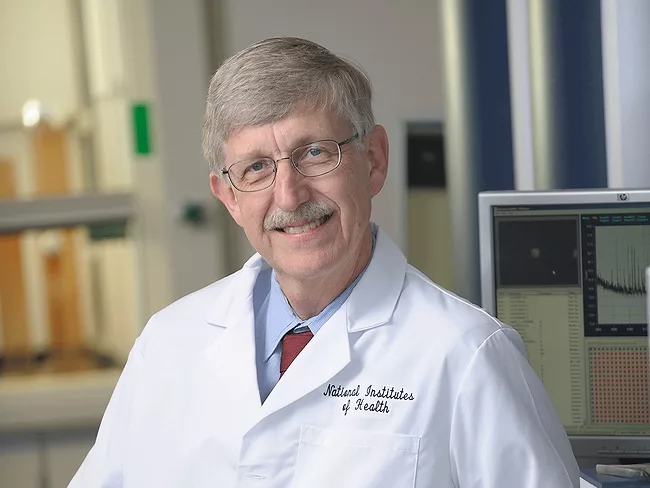
Francis Collins, perhaps one of the U.S.’ biggest cheerleaders for the promise of medical science, announced Oct. 5 that he will be ending his nearly 13-year tenure as NIH director by the end of the year, but he won’t be hanging up his lab coat. The 71-year-old Collins will continue to lead his research lab at the NIH’s National Human Genome Research Institute.
Software-as-a-medical device (SaMD) came into its own during the pandemic as digital health applications enabled patients to receive care from home through telemedicine, apps and remote patient monitoring. At the 2021 Medtech Conference, a panel of regulators, advocates and digital health executives discussed how the last 18 months may permanently change the regulation of these devices, the steps manufacturers can take to secure the footholds they gained, and how the U.S. CMS can enable digital health to achieve its promise.
LONDON – Fixed and constant deep brain stimulation has been successful in treating Parkinson’s disease and epilepsy, but heterogeneity in individual response means that despite promise, clinical studies in serious depression have to date delivered inconsistent results. U.S. researchers have now developed a method for identifying the neural circuits underlying symptoms of depression in individual patients and applied this to deliver tailored therapy, using a commercially available device to stimulate the brain when these circuits are activated.
PARIS – M.A. Med Alliance SA (Medalliance), along with its Japanese partner MDK Medical, has completed enrollment following acceptance of a clinical trial notification from the Japanese Pharmaceutical Products and Medical Device Agency (PMDA) in June 2020.
The COVID-19 pandemic has pushed India’s pharmaceutical and medical device industries towards the more widespread use of blockchain as part of a significant digital transformation effort underpinned by growing use of the Internet of Things (IoT), machine learning (ML) and the use of artificial intelligence (AI).
The FDA has granted clearance of Siemens Medical Solutions Inc.’s photon-counting computed tomography (CT) scanner, Naeotom Alpha. The new diagnostic imaging device uses a photon-counting detector that measures individual X-rays that pass through a patient's body, as opposed to current systems that use detectors that measure the total energy contained in X-rays at once. The scanner then transforms the information from the X-ray photons into a detailed three-dimensional image, which can be used by physicians to assist diagnosis or treatment preparation planning.

 RSS
RSS