As if it were needed, Amicus Therapeutics Inc.’s spin-off of its gene therapy work and PDUFA VII’s provisions to increase the capacity of the FDA’s Center for Biologics Evaluation and Research offered further proof this week of the global explosion that’s happening in the regenerative medicine field.
The FDA unveiled a draft guidance addressing the responsibilities of clinical investigators for safety reporting for investigational drugs and devices, a novel attempt to combine the disparate adverse event reporting timelines for investigational drugs and devices.
With fresh funds and a pivotal trial underway, Sommetrics Inc. may be about to shed its sleeper status. Executives at the Vista, Calif.-based company hope to provide a quiet, effective solution to obstructive sleep apnea (OSA) that’s less obtrusive and better tolerated than the continuous positive airway pressure (CPAP) machines that currently dominate the market.
The EU’s Medical Device Regulation is now in full implementation mode, but the In Vitro Diagnostic Regulation (IVDR) won’t kick in until May 2022. Oliver Bisazza, director general of Medtech Europe, said that only six notified bodies are currently certified to review IVDs under the new regulatory framework, a predicament which suggests that many these tests will never again be available to patients.
Glucomodicum Oy tapped contract manufacturer Phillips-Medisize LLC to develop its needle-free continuous glucose monitor (CGM), Talisman, which is based on Glucomodicum’s magnetohydrodynamic (MHD) platform technology that measures glucose levels from interstitial fluid. The wearable CGM – the size of a smartwatch – combines MHD technology with biosensors and algorithms so health care professionals can monitor patients’ diabetes.
India is turning to digital means in a bid to manage illnesses within its borders, with both public and private corporations getting in on the action. The All India Institute of Medical Sciences Delhi (AIIMS), a public medical institute in the state of Delhi, has developed two mobile apps for patients with chronic mental illness and their caregivers. The first app is Shaksham, for patients with chronic mental illness, while another, called Disha, will be for patients who are undergoing their first such episode of symptoms.
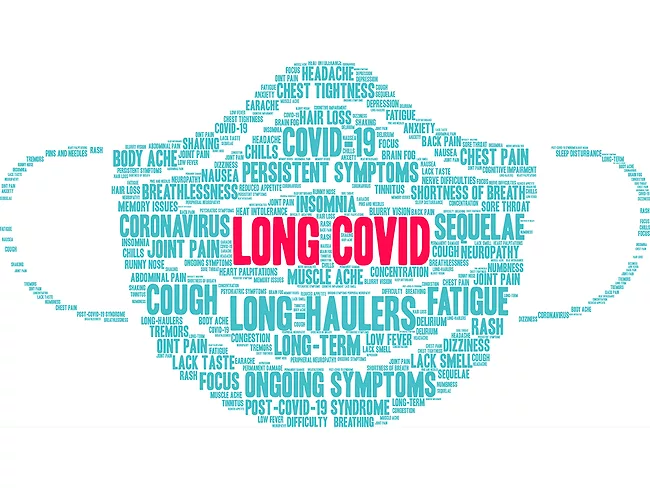
LONDON – A large-scale analysis of U.S. data shows that 57% of patients with a recorded diagnosis of COVID-19 subsequently presented to their physicians with symptom(s) of long COVID. In 37% of those patients, the symptoms were not reported until three to six months after they contracted COVID-19, indicating they are not persisting acute symptoms.

 RSS
RSS