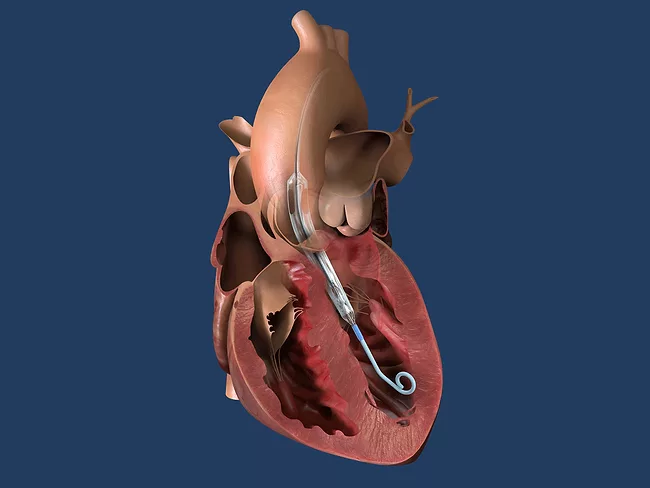
Abiomed Inc. is one of a number of companies whose share prices took a hit in the early days of the COVID-19 pandemic, but the company has since rebounded, thanks in part to the news that the FDA has granted the company a breakthrough device designation for its Impella ECP device. The external counterpulsation (ECP) system may eventually make significant headway in the hemodynamic support space thanks to the small size of the device, a key feature for patients undergoing high-risk percutaneous coronary intervention (PCI) procedures.
Researchers have shown that glucocorticoids, a type of steroid hormones, target both neuroplasticity-related genes and genes related to ciliary function in the brain. However, the effects on the different processes are mediated via different receptors, and in response to different stimuli. A study investigated the specific targets of glucocorticoids, giving new insights into the biological mechanisms of stress adaptations, and how they are linked to neural plasticity.
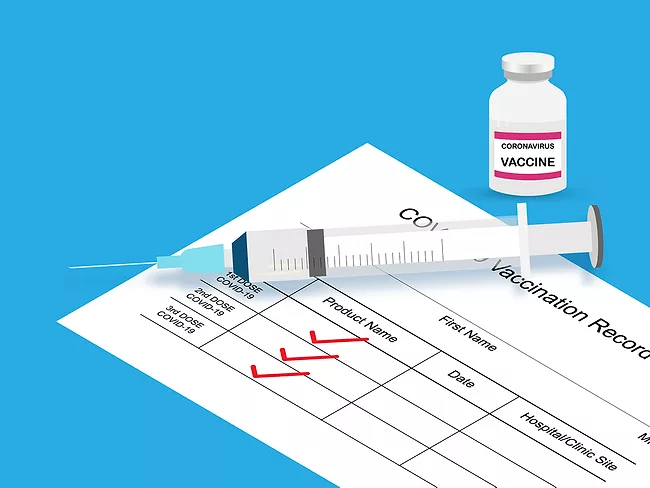
Plans for offering COVID-19 vaccine booster shots in the U.S. took a big step forward Aug. 18, as Health and Human Services (HHS) public health and medical experts laid out their intention to offer booster shots across the country for people 18 and older beginning the week of Sept. 20 and starting eight months after an individual's second dose.
Regulatory snapshots, including global submissions and approvals, clinical trial approvals and other regulatory decisions and designations: Abiomed, Cardionxt, Echonous, Zimmer Biomet.
Med-tech happenings, including deals and partnerships, grants, preclinical data and other news in brief: Biocheck, DRG International, Feinstein Institutes, Johnson & Johnson, Optellum.
Using a minimally invasive brain implant, Feinstein Institutes for Medical Research scientists produced tingling sensations in the fingers of patients who lacked the sense of touch as a result of nerve damage, according to a study published in Brain Stimulation. A second study by the team, which appeared in Frontiers in Neuroscience, used stereoelectroencephalography (SEEG) electrodes to decode neural signals to improve the hand control algorithms in brain-computer interfaces.
Scientists at Cleveland-based Case Western Reserve University have used artificial intelligence (AI) to identify biomarkers contained in naturally occurring collagen that could predict whether breast cancer will return after treatment. Identified from standard tissue biopsy slides of early-stage breast cancer, collagen-based assays could also be less expensive than gene expression-based assays typically conducted at highly specialized labs in California.
The U.S. Supreme Court’s decision in the case of U.S. v. Arthrex might be seen as having fully resolved the interaction between the Appointments Clause and the inter partes review (IPR) process, but there are other controversies brewing, nonetheless. Patent attorney James Lovsin, of McDonnell Boehnen Hulbert & Berghoff LLP (MBHB), said on an Aug. 17 webinar that because the current commissioner of patents is only an acting commissioner, his review of IPRs may also be a violation of the Appointments Clause, thus invoking the possibility that some patent cases will be subject to additional administrative delays.
LONDON – Researchers at Birmingham University are looking for commercialization partners after finding a happy medium between the speed but limited accuracy of COVID-19 lateral flow antigen tests, and the use of slower but more accurate PCR and other RNA amplification diagnostics.
 RSS
RSS