Sparks flew both ways Sept. 4 as Democratic senators pushed for Robert Kennedy to resign as secretary of the U.S. Department of Health and Human Services (HHS) during a Senate Finance Committee hearing ostensibly held to discuss the Trump administration’s 2026 health care agenda. But with Kennedy the only witness, the hearing focused on Kennedy’s perceived failings as HHS secretary. “The United States is in the midst of a health care calamity,” Ranking Member Ron Wyden, D-Ore., said in his opening comments, which were laden with personal attacks.
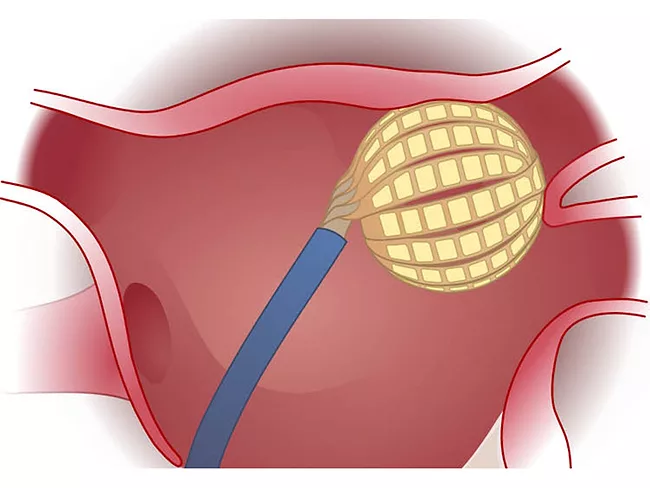
Kardium Inc.’s Globe pulsed field system received U.S. FDA premarket approval, making it the fourth PFA system in the rapidly expanding market for cardiac ablation for atrial fibrillation. The system’s introducer sheath and mapping software also received clearance.
The Sept. 3 congressional hearing on AI in health care raised questions about whether the U.S. FDA enjoys the statutory authorities it needs to properly regulate this class of products, but witnesses at the hearing said a lack of trust in AI is a substantial roadblock to adoption.
Vicentra BV’s insulin patch pump, Kaleido, will soon reach more patients with diabetes after it raised $85 million in a series D funding round. The company said the Kaleido is among the smallest, lightest, and most precise insulin patch pumps available.
The Office of Inspector General recently reported that billings for remote patient monitoring eclipsed the $500 million mark in 2024, but the agency stated that more scrutiny will be necessary going forward to keep waste, fraud and abuse at bay.
Med-tech happenings, including deals and partnerships, grants, preclinical data and other news in brief: Alcon, Alivedx, Bearpac, Monod Bio, Quipt Home, Staar Surgical, Syndeo Medical, Pulse, Stereotaxis, Trinity.
Regulatory snapshots, including global submissions and approvals, clinical trial approvals and other regulatory decisions and designations: Curvafix, Fairtility, Geneseeq, Kardium, Mainz, Medtronic, Qiagen.
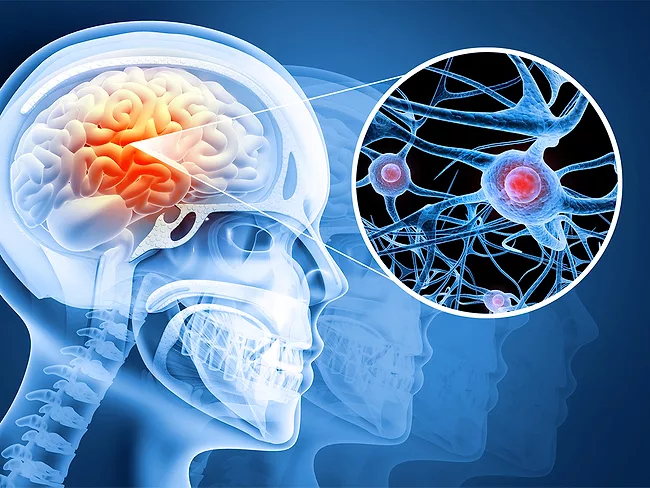
Two independent studies have linked neuronal injury, inside or outside the brain, to cancer progression and offer new biomarkers and strategies for prevention. While cerebral cancer cells damage axons and drive tumor development, in other types of cancer affecting other organs, nerve disruption caused by tumor proximity triggers inflammation and a suppressive environment that may also be associated with immunotherapy resistance.
 RSS
RSS