The U.K. Medicines and Healthcare Products Regulatory Agency finalized its plans for an overhaul of its med-tech regulatory system in a comprehensive approach that captures both in vitro diagnostics and artificial intelligence.
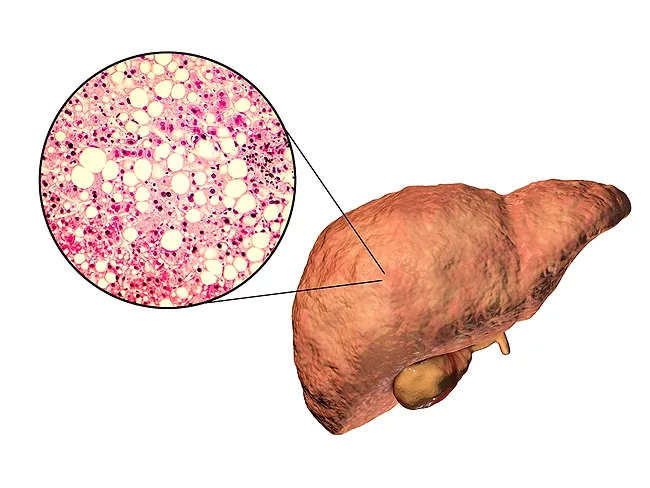
Boehringer Ingelheim GmbH partnered with Newcastle University and the University of Edinburgh to fund a £30 million (US$38 million) study into liver cirrhosis in a bid to provide scientists with new insights into liver health. The partners hope that the study will not only enhance the understanding of nonalcoholic or metabolic dysfunction-associated steatohepatitis (NASH/MASH) cirrhosis, but also help identify translational biomarkers using a cutting-edge approach called single-cell RNA sequencing to accelerate the development of future therapies.
Veracyte Inc. revealed plans to buy C2i Genomics Inc. at the J.P. Morgan Health Care Conference in San Francisco on Jan. 8, a move that will significantly expand its portfolio of cancer diagnostic and monitoring assays. The terms include $70 million in Veracyte shares to be paid at closing plus an addition $25 million payable in cash or Veracyte shares over the next two years if C2i achieves certain performance milestones.
Boston Scientific Corp. agreed to acquire neurostimulation company Axonics Inc. for $71 per share or $3.7 billion in total. Axonics focuses on stimulation of the sacral neve to treat overactive bladder and bowel dysfunction. It also offers a bulking agent to address stress urinary incontinence in women.
The deal is expected to close in the first half of 2024, pending approval of stockholders and regulators.
The U.S. Patent and Trademark Office’s inter partes review mechanism has drawn uneven reviews in the past decade or so and Dexcom Inc. has serious misgivings about an attempt by Abbott Diabetes Care Inc. to use the process to invalidate Dexcom patents for continuous glucose monitors.
Medtronic plc received CE mark for its latest miniature, leadless pacemakers, the Micra AV2 and Micra VR2. According to the company, they are the world's smallest pacemakers, provide a longer battery life, and are easier to program than previous Micra pacemakers, while maintaining the benefits of their predecessors such as reduced complications compared to traditional pacemakers.
Switzerland’s regulatory authority for devices and drugs, Swissmedic, decided to revamp how it organizes its postmarket surveillance work, and is also seeking to stand up its medical product surveillance database.
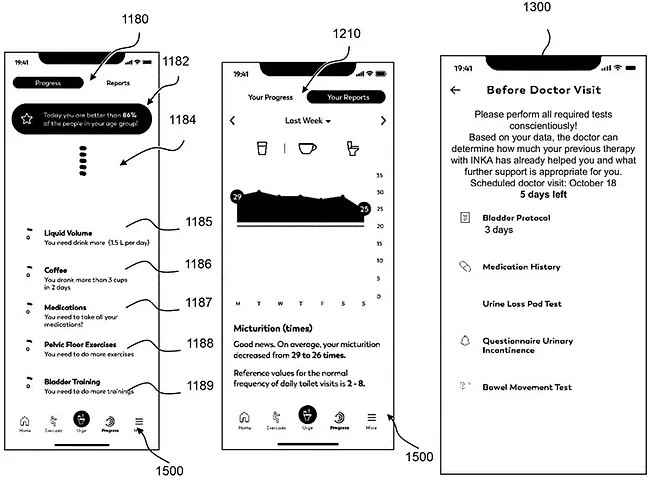
Dr. Pfleger Arzneimittel GmbH is seeking patent protection for a system and a corresponding computer program product for assisting in alleviating overactive bladder syndrome and incontinence symptoms, particularly reduction of micturitions and reduction of urine loss. The system is particularly suited for being implemented and distributed as a smartphone app which may be operated by the user.

 RSS
RSS