The U.S. FDA is undergoing a significant overhaul of operations which is designed in part to make the agency’s Office of Regulatory Affairs (ORA) more efficient and less obtrusive to product centers, such as the Center for Devices and Radiological Health.
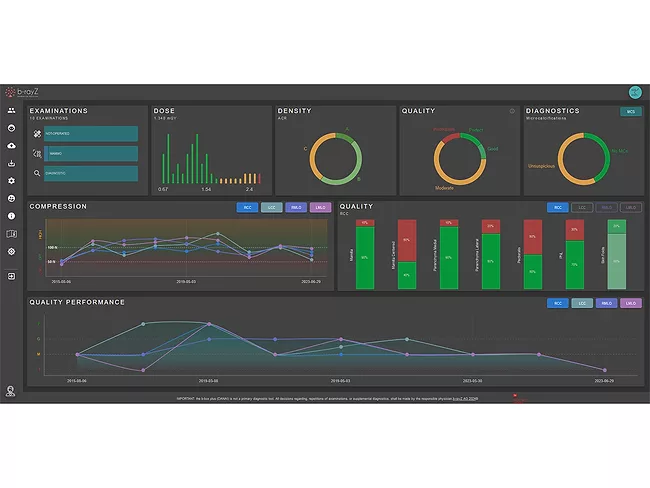
B-rayz AG received CE mark for its Data Adaptive Neural Artificial Intelligence (DANAI) technology that helps clinicians with breast cancer detection. The company hopes that DANAI, which introduces a custom AI-based framework that can adapt to clinicians needs and grow smarter in the process, will revolutionize the diagnostic landscape for breast imaging and transform the lives of millions of women.
Legislation passed in the U.S. Congress in 2013 called upon the federal government to dispense with the Federal Helium Reserve by September 2021, a deadline that some stakeholders are grateful to see has passed without action.
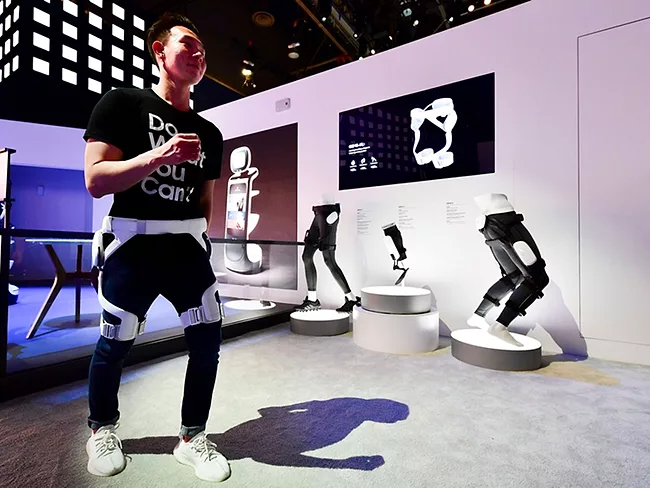
A new wearable “hip-assist” robot developed by Samsung Electronics Co. Ltd. significantly improves gait, balance and dynamic movement in older adults and has the potential to not only enhance physical function but also mitigate the risk of falls.
Med-tech happenings, including deals and partnerships, grants, preclinical data and other news in brief: Baird, BD, Bostongene, Dnanexus, Hamilton, Heartflow, Hummingbird Diagnostics, Sequre, Serosep, Synthego, TMA Precision Health.
Regulatory snapshots, including global submissions and approvals, clinical trial approvals and other regulatory decisions and designations: Amadex, Angiodynamics.
Is it an unconstitutional taking when U.S. FDA reviewers disclose a brand company’s claimed trade secrets or confidential commercial information to would-be competitors? That’s a question the U.S. Court of Federal Claims has yet to answer. While the court dismissed some of Vanda Pharmaceuticals Inc.’s claims against the FDA, its Jan. 18 opinion left open the debate of whether such disclosures, intentional or inadvertent, are a per se or regulatory taking.
 RSS
RSS