Regulatory snapshots, including global submissions and approvals, clinical trial approvals and other regulatory decisions and designations: Accuray, Entrogen, Exthera, Seastar, Zeptometrix.
Quantum dots, a phenomenon in quantum physics that alters the energy of electrons and changes the properties of particles, caught the attention of the Royal Swedish Academy of Sciences (KVA) for the 2023 Nobel Prize in Chemistry. Alexei Ekimov and Louis Brus received the award for their discovery; Moungi Bawendi, for developing its applications. With their work, “in equal shares,” said the Secretary General of KVA Hans Ellegren, the three scientists have laid the foundations of nanotechnology, a tool that we see today in our homes, on televisions and LED lamps, or in laboratories and hospitals for designing new drugs or new strategies against cancer.
Clinical updates, including trial initiations, enrollment status and data readouts and publications: GT Medical, Menarini Silicon, Angle, Prelude, Sight Sciences.
Canary Medical Inc. is seeking patent protection for devices, systems, and methods for in vivo monitoring of the flow of a biological fluid in an anatomic structure.
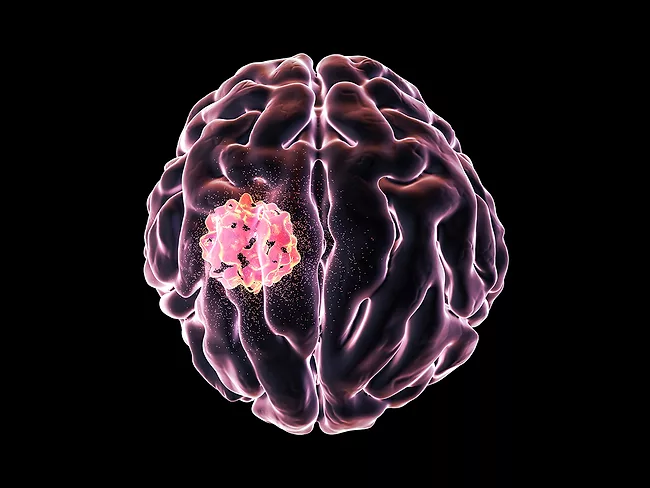
Patients with metastatic brain tumors are among the most desperate of patients for at least a modestly effective treatment let alone a cure, and GT Medical Technologies Inc., of Tempe, Ariz., reported the interim findings from a study of 48 patients suffering from a total of 51 brain metastases. Four-month data from this study demonstrate that implant of the Gammatile device is safe as demonstrated by the lack of adverse events, and these results combined with other data suggest that this device can offer this patient population real hope of surviving one of the deadliest series of afflictions known to humankind.
Neuroimmune modulation using vagus nerve stimulation (VNS) reduced Crohn’s disease symptoms and improved patient quality of life, a study published in the Journal of Crohn’s and Colitis found. The research by Setpoint Medical Corp. could provide a better option for patients with the autoimmune disorder than biologics, which often fail to work over time and can cause significant adverse effects.
The U.S. Department of Justice (DOJ) reported on October 2 that Genomic Health Inc. (GHI), now a subsidiary of Exact Sciences Corp., has agreed to pay $32.5 million to settle allegations that the company violated the False Claims Act (FCA). The allegations include that GHI had manipulated the dates upon which a test was administered in order to boost revenues from public health programs, an activity that ended up costing the company double damages.
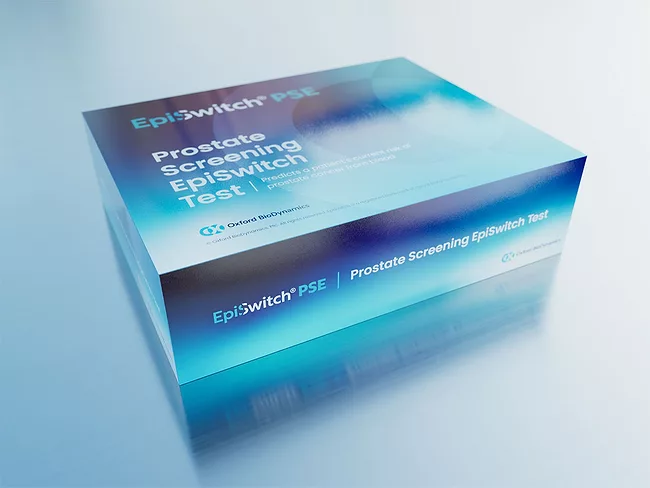
The receipt of a reimbursement code for the Episwitch Prostate Screening (PSE) test developed by Oxford Biodynamics plc, following its recent launch, is good news for men frustrated with the inaccuracies in prostate-specific antigen (PSA) tests and the lack of alternatives, Jon Burrows, CEO of Oxford Biodynamics told BioWorld.

 RSS
RSS