Regulatory snapshots, including global submissions and approvals, clinical trial approvals and other regulatory decisions and designations: Oncologica, Medicalgorithmics, Scopio, Thermo Fisher.
Med-tech happenings, including deals and partnerships, grants, preclinical data and other news in brief: Bluejay Diagnostics, Icecure, Onward, Sophia Genetics.
For a non-invasive cancer, ductal carcinoma in situ (DCIS) has spread rapidly—at least in research studies. Multiple companies presented results of diagnostic tests and genomic analysis that offer guidance for selecting treatment options for stage 0 breast cancer at the 2022 American Society of Clinical Oncology (ASCO) annual meeting, which concluded in Chicago on June 7. Several of these studies reliably predicted which patients can safely be selected for active surveillance without surgery, who would benefit from endocrine or radiotherapy following surgery and who would be best served by risk-reducing surgery such as double mastectomy.
The U.S. FDA has posted notice of an advisory issued by Dublin-based Medtronic plc, regarding the Heartware ventricular assist device due to a pump weld defect, which the agency has identified as a class I recall. The recall affects devices that have been in use since 2006 and is associated with the entry of moisture into the pump center post, which can de-magnetize the magnets and thus trigger malrotation and consequently damage to the welds.
The U.S. CMS has suspended the rulemaking for payment for radiation oncology for Medicare patients, but the suspension hasn’t assuaged the fears of industry and health care professionals. Anne Hubbard, health policy director for the American Society for Radiation Oncology told BioWorld that despite the suspension, CMS’s interest in the much-criticized proposal for site-neutral payment is unlikely to ebb anytime soon.
Regenerative medicine company Orthocell Ltd. reported final data from its nerve reconstruction study that showed patients continued to improve between 12- and 24-months post-treatment with regenerative nerve repair device Remplir.
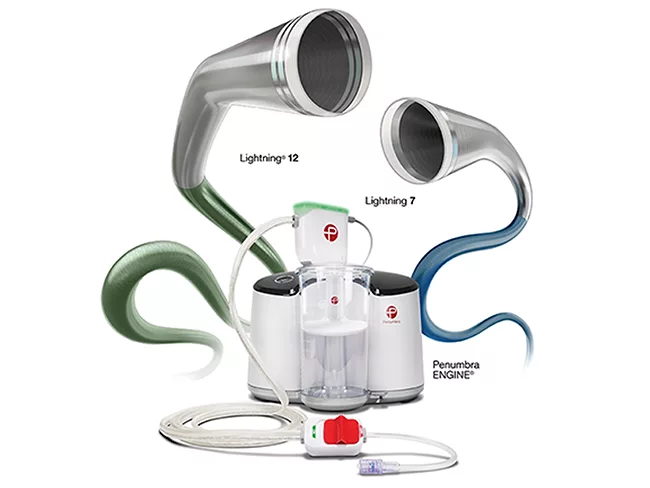
Penumbra Inc. presented new data at the LINC Symposium in Leipzig, Germany, evaluating its Indigo aspiration system for submassive pulmonary embolism (PE). The subgroup analysis evaluated performance outcomes of patients with main pulmonary artery (PA) emboli vs. discrete unilateral or bilateral PA emboli without main PA involvement. Data from the study suggests the system can be used effectively for both proximal and distal aspiration thrombectomy in the pulmonary arteries.
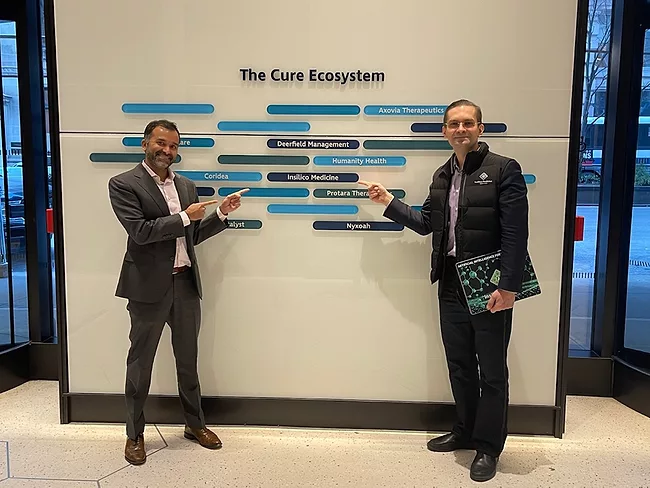
AI-enabled drug discovery company Insilico Medicine Ltd. has raised $60 million in a series D round to support expansion of its pipeline. The Hong Kong and New York-based company will use the proceeds to support clinical testing of its lead asset, a potential treatment for idiopathic pulmonary fibrosis (IPF), as well as the advancement of its Pharma.AI platform.

 RSS
RSS