Regulatory snapshots, including global submissions and approvals, clinical trial approvals and other regulatory decisions and designations: Lumiradx, Proscia.
Med-tech happenings, including deals and partnerships, grants, preclinical data and other news in brief: Agilent, Azenta, Barkey, Cellpath, Lansheng Medical, Medalliance, Olink, Pathmaker Neurosystems, Samsara Vision, Statlab, Ultima Genomics.
New hires and promotions in the med-tech industry, including: Alpha Tau Medical, Ansh Labs, Avellino Lab, Nonagen Bioscience, Pillar Biosciences, PixCell Medical.
The U.S. FDA’s device center continues to promote alternatives to ethylene oxide (EtO) as a medical device sterilant, with the latest development involving radiation as a sterilizing technology. The agency said it may open a new master file program for radiation that follows an existing program that is agnostic as to sterilization method, and which may speed the adoption of alternative sterilization methods in the years ahead. The FDA’s Center for Devices and Radiological Health recently announced a pilot program for alternatives to EtO sterilization that would eliminate a significant number of regulatory filings.
Artificial intelligence (AI) and machine learning (ML) are all the rage in 2022 when it comes to medical radiology, but regulators across the globe are struggling to devise regulatory frameworks that ensure safety and efficacy without strangling innovation. There are a number of other stakeholders in this sphere of med tech, however, each with their own considerations. In this six-part series, BioWorld will examine these considerations in an effort to characterize the working environment for AI and ML as it exists now, and what that environment might look like in the years ahead.
Sophia Genetics SA shared preliminary findings from its multimodal Deep-Lung-IV clinical study at the 2022 American Society of Clinical Oncology annual meeting. The study is utilizing Sophia’s cloud-based, artificial intelligence diagnostic platform to identify multimodal predictive signatures of response to immunotherapy for patients with advanced lung cancer.
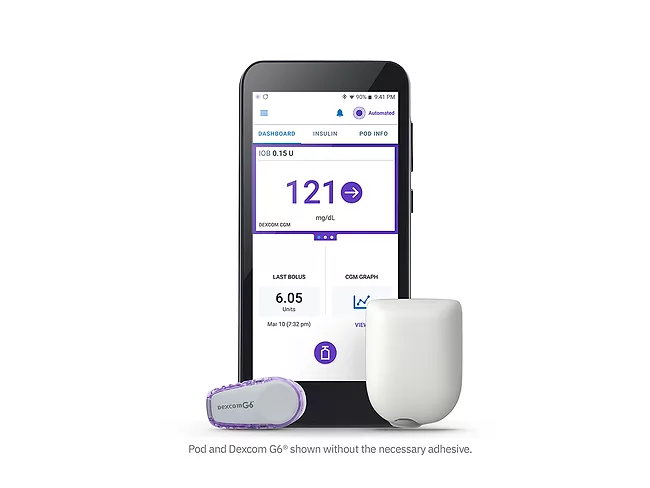
Several companies showed promising results for automated insulin delivery (AID) systems at the American Diabetes Association (ADA) annual meeting in New Orleans. Studies of the systems, also known as artificial pancreas systems, indicate that integration with continuous glucose monitoring (CGM) systems enables substantially improved glycemic control, with more time in range (TIR) and less hypoglycemia than seen with multiple daily injection (MDI) therapy or insulin-pump therapy.
Abbott Laboratories received FDA clearance for its Freestyle Libre 3 continuous glucose monitoring system (CGM) just before the kickoff of the American Diabetes Association (ADA) annual meeting June 3 followed by breakthrough device designation for a combined CGM and continuous ketone monitoring system.

 RSS
RSS