Two studies published back to back in Nature have looked at the accumulation of mutations in blood-forming stem cells with age, gaining new insights into how the overall landscape of such cells changes across the lifespan.
About 1,500 babies are born each year in the U.S. with microtia, which happens when the external ear is small and not formed properly, but 3Dbio Therapeutics Corp., and the Microtia-Congenital Ear Deformity Institute (MCEDI) of San Antonio have brought to patients a solution that avoids biocompatibility issues seen with existing solutions. The Auri Novo device, a 3D-printed reconstruction of the outer ear that leverages the patient’s own ear cartilage, eliminates the need to harvest rib cartilage or use porous polyethylene in lieu of native cartilage, another indication that the era of personalized medicine is finally in view.
Drug and device makers are necessarily wary of any activities that could lead to prosecution under the False Claims Act (FCA), but seemingly innocuous activities are now fair game for federal prosecutors. The latest example is the FCA prosecution of Caris Life Sciences for filing claims for cancer tests outside the 14-day post-discharge window, and Mark Gardner, directing attorney at Gardner Law of Stillwater, Minn., told BioWorld that device makers should be on the alert because it appears that federal authorities are ramping up enforcement.
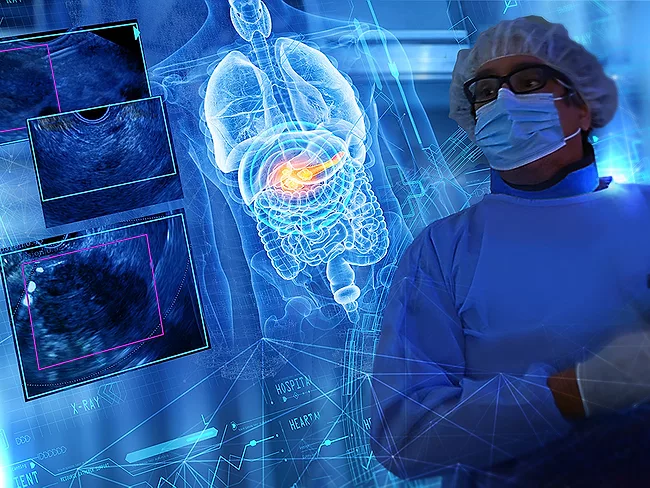
Medi-Globe GmbH, in conjunction with the Institut Hospitalo-Universitaire (IHU) in Strasbourg, France, is developing new artificial intelligence (AI) software for the detection of pancreatic disease. The Rohrdorf Germany-based company just completed a first-in-human trial of this AI tool during an endoscopic ultrasound examination performed at the Institute of Image-Guided Surgery at IHU.
Camera pills were never quite like this. Developed by Vibrant Gastro Inc. for people suffering from chronic idiopathic constipation (CIC) the Vibrant system capsule is designed to travel deep into the gut and vibrate, augmenting the natural mechanisms of the body that govern bowel function.
University of Edinburgh spinoff Biocaptiva Ltd. has raised an additional $2.6 million (£2.1 million) in seed financing for its cell free DNA (cfDNA) capture device, Biocaptis. Business angel syndicate Archangels led the round, with participation from Scottish Enterprise and Cancer Research Horizon, the innovation engine of Cancer Research UK.
Regulatory snapshots, including global submissions and approvals, clinical trial approvals and other regulatory decisions and designations: Cardio Flow, Lumiradx, Net Health.

 RSS
RSS