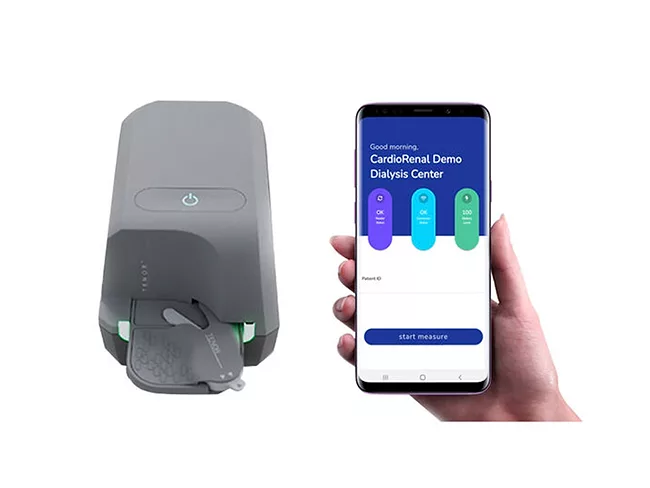
Cardiorenal SAS reported it has been granted a breakthrough device designation by the U.S. FDA for its Tenor at-home blood potassium measuring device. The Tenor smart device combines multiple technologies, app and cloud capabilities to assist patients with chronic kidney disease in measuring their blood potassium levels from home, obtaining results in under five minutes.
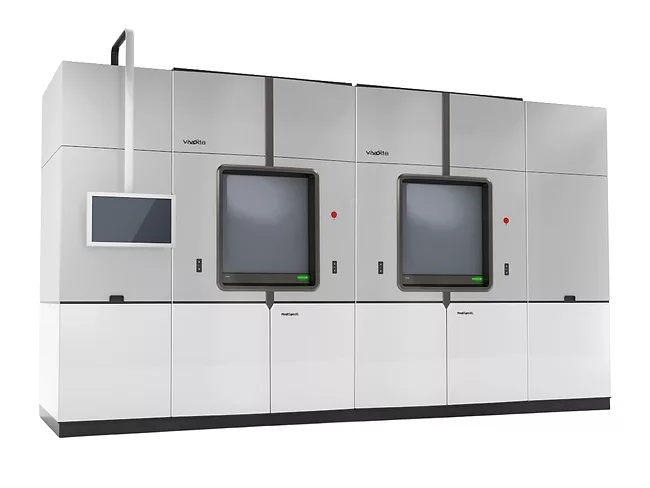
Vivolta BV raised €7 million ($US7.56 million) in new financing from existing shareholders and the Dutch government to expand its Medispin platform, an automated medical electrospinning production system, for high-throughput manufacturing of tubular electrospun products such as vascular stent grafts and prosthetic heart valves. The funds will also allow the company to continue to evolve into a medical electrospinning contract development and manufacturing organization as it transitions away from an equipment manufacturer.
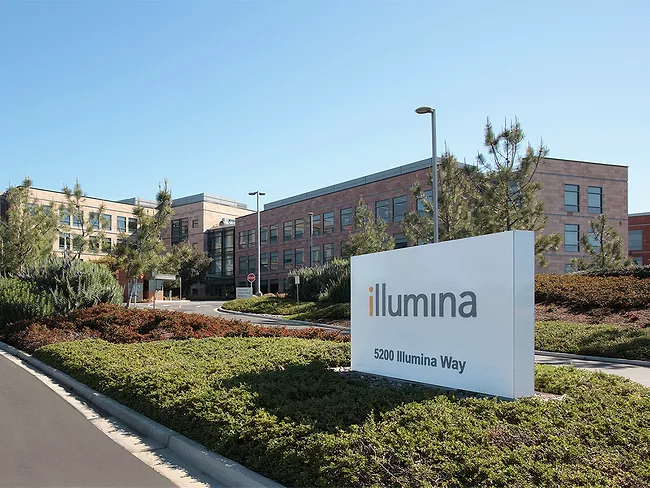
After winning a brutal proxy battle led by activist investor Carl Icahn, Francis deSouza suddenly resigned as CEO and as a member of the board of Illumina Inc. over the weekend. The company appointed General Counsel Charles Dadswell to serve as the interim CEO while it evaluates internal and external candidates for the position. DeSouza will continue in an advisory role until July 31.
Regulatory snapshots, including global submissions and approvals, clinical trial approvals and other regulatory decisions and designations: Corneat Vision, Neuronetics.
Med-tech happenings, including deals and partnerships, grants, preclinical data and other news in brief: Asep Medical, Avails Medical, Biolight, Diagnostear, Myriad, Neuroone Medical, Valor Healthcare.
Please take a few minutes to fill out this short survey to help us provide you with the best possible source of news. Customer feedback is critical so that we can make BioWorld MedTech an even more useful and valuable component of your daily workflow. We want to continue to evolve to serve you. The survey should take less than 5 minutes. You can click through to the question here.
The U.S. Environmental Protection Agency (EPA) has proposed a more stringent set of requirements for the use of ethylene oxide for sterilization of a variety of products, including medical devices, a proposal that is expected to increase the cost of operating these facilities.
 RSS
RSS