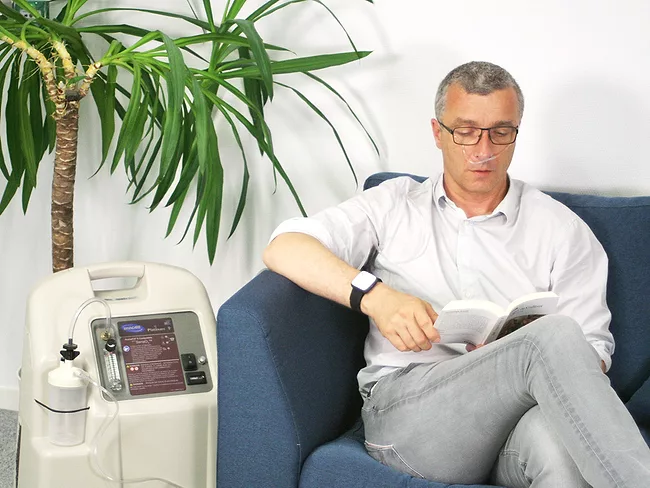
Biosency SAS recently unveiled the latest results on its predictive digital medical device for remote monitoring of patient suffering from chronic obstructive pulmonary disease (COPD). The Bora platform demonstrated its ability to predict COPD exacerbation on average three days prior to hospitalization.
An artificial intelligence (AI) framework developed by researchers in Denmark has outperformed human emergency call handlers in identifying stroke. The AI tool has the potential to play a critical role in helping to address the number of strokes that go unrecognized as the number of strokes are projected to increase as the population ages.
Beneficiaries in the U.S. Medicare program have access to several technologies and procedures for treatment of glaucoma, but Medicare administrative contractors (MACs) seem to be looking sideways at some of these offerings. Both Wisconsin Physician Services and Palmetto GBA have floated draft local coverage proposals that deem procedures such as goniotomy and the combination of canaloplasty and trabeculectomy to be investigational, suggesting that claims for these and other services and devices will not be paid by these MACs.
Another brick in the ambitious Human Cell Atlas initiative has been put into place with the publication of the largest and most comprehensive cell map of the human lung. The open and freely available atlas catalogs the diversity of cells in the lung, including rare and previously undescribed cell types.
Regulatory snapshots, including global submissions and approvals, clinical trial approvals and other regulatory decisions and designations: Foundation Medicine, Inspire Medical Systems.
Med-tech happenings, including deals and partnerships, grants, preclinical data and other news in brief: Dxvx, Edgecap, Eitan Medical, LTS, Soteria, T2 Biosystems.
The U.S. FDA’s September 2022 guidance for clinical decision support (CDS) software was controversial the moment the agency posted the document, prompting the filing of a citizen’s petition five months later. The CDS Coalition has penned a June 8 letter to FDA commissioner Robert Califf in an effort to draw a reaction from the agency, but the letter was accompanied by a summary of an analysis of CDS software with a machine learning (ML) component that suggests that such products that are in development may have to be reconsidered.
 RSS
RSS