BioWorld. Link to homepage.

Clarivate
  • BioWorld
  • BioWorld Science
  • BioWorld Asia
  • Data Snapshots
    • Biopharma
    • Medical technology
    • Infographics: Dynamic digital data analysis
    • Index insights
    • NME Digest
  • Special reports
    • Infographics: Dynamic digital data analysis
    • Trump administration impacts
    • Med-tech outlook 2026
    • Under threat: mRNA vaccine research
    • BioWorld at 35
    • Biopharma M&A scorecard
    • Bioworld 2025 review
    • BioWorld MedTech 2025 review
    • BioWorld Science 2025 review
    • Women's health
    • China's GLP-1 landscape
    • PFA re-energizes afib market
    • China CAR T
    • Alzheimer's disease
    • Coronavirus
    • More reports can be found here

BioWorld. Link to homepage.

  • Sign In
  • Sign Out
  • My Account
Subscribe
BioWorld - Sunday, April 19, 2026
Breaking News: Best of BioWorld: Q1Breaking News: Best of BioWorld: Q1
Home » Topics » BioWorld Asia, Science

BioWorld Asia, Science
BioWorld Asia, Science RSS Feed RSS

Coronavirus and DNA
American Association for the Advancement of Science

Researchers trace COVID-19’s family tree to battle outbreak and ‘infodemic’

Feb. 18, 2020
By Nuala Moran
SEATTLE – Tracing the family tree of COVID-19 through its evolving DNA sequence makes it possible to disprove many false claims circulating on social media about the novel coronavirus, and, in particular, that it was generated in a covert biological weapons program. “From everything I’ve looked at, there is zero evidence for genetic engineering; it looks like normal evolution,” said Trevor Bedford, a computational biologist at Fred Hutchinson Cancer Research Center, who has been using genomes sequences taken from patient samples to track the spread of the virus since Jan. 11.
Read More
Coronavirus microscopic model
Ebola, malaria, HIV, TCM

Researchers cast wide net for rapid-draw weapons in 2019-nCoV fight

Feb. 11, 2020
By Anette Breindl
At this very early point in the emerging 2019-nCoV outbreak, knowledge about the virus is insufficient to predict what shape that outbreak will ultimately take.
Read More
3D model of coronavirus spike

Not yet a pandemic, 2019-nCoV has echoes of MERS, SARS, flu

Feb. 11, 2020
By Anette Breindl
The drug screens prompted by the SARS and MERS outbreaks have been useful for quickly identifying drug candidates. But in terms of their epidemiology, “SARS and MERS were different from this coronavirus,” Allison McGeer explained at a Feb. 3 webinar by Evercore ISI.
Read More
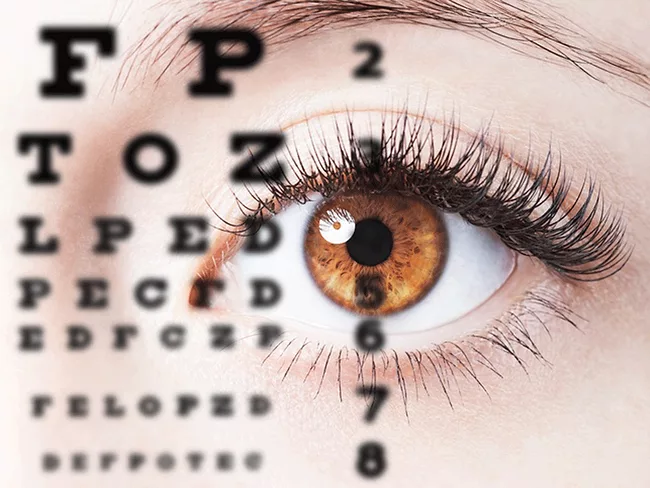
Eye and eye chart
Bringing glaucoma risk into focus

Multitrait analysis predicts glaucoma susceptibility, progression

Jan. 28, 2020
By John Fox
An international collaborative study led by geneticists at the Queensland Institute of Medical Research Berghofer Medical Research Institute (QIMR) in Brisbane, Australia, has used a multivariate approach to develop a polygenic risk score (PRS) for glaucoma.
Read More
Glutamine skeletal formula
Another role for HIF-2a

Glutamine transporter variant identified as new cancer target

Jan. 7, 2020
By John Fox
A mitochondrial glutamine transporter variant is a key regulator of glutamine metabolism and metabolic reprogramming in cancer cells, and targeting such transporters could be a new strategy for controlling tumor growth.
Read More
Indian cobra
Pick your poison

Cobra genome may yield new antivenoms, venom-based drugs

Jan. 7, 2020
By John Fox
A reference genome from the Indian cobra compiled in an international collaborative study should lead to the development of new safer and more effective antivenoms, while the elucidated genome and predicted associated proteome may be a powerful platform for studies of venomous snakes.  

Read More

Scientists report insights into the mechanics, literally, of IPF

Dec. 24, 2019
By John Fox
A Chinese study has established a previously unknown direct mechanistic link between elevated mechanical tension caused by impaired alveolar regeneration and progressive idiopathic pulmonary fibrosis (IPF), highlighting a pathogenic mechanism that may underlie fibrosis.
Read More

New PCa treatment strategy may overcome resistance

Dec. 10, 2019
By John Fox
Targeting prostate cancer (PCa) neuroendocrine (NE) cells via inhibition of the C-X-C motif chemokine receptor 2 (CXCR2) is an androgen receptor (AR)-independent therapeutic strategy that can improve the efficacy of treatment for PCa, a leading cause of male cancer mortality.
Read More

Australian researchers create kidney tissue from iPS cells

Nov. 26, 2019
By Tamra Sami
MELBOURNE, Australia – Researchers at the Murdoch Children’s Research Institute in Melbourne are pushing the boundaries on creating kidney tissue from stem cells.
Read More
Silhouette made of gears
Sulfide stress as new target?

Schizophrenia biomarker can be detected in human hair

Nov. 6, 2019
By John Fox
A subtype of schizophrenia is related to abnormally high brain levels of hydrogen sulfide (H2S), which has important implications for the development of new treatments, according to a study by researchers at the RIKEN Center for Brain Science (CBS) in Japan.
Read More
Previous 1 2 … 6 7 8 9 10 11 12 13 14 Next

Popular Stories

  • Today's news in brief

    BioWorld
    BioWorld briefs for April 17, 2026.
  • News in brief

    BioWorld Asia
    BioWorld Asia briefs for April 14, 2026
  • Elderly woman holding illustration of brain with missing puzzle piece

    Meta-analysis: Anti-amyloid Alzheimer’s drugs not ‘clinically meaningful’

    BioWorld
    The ongoing controversy over the effectiveness of anti-amyloid drugs is about to get more heated, after a review of clinical trials showed statistically...
  • Man holding raised arm with illustrated overlay of nerves

    Biohaven reports details on discovery of BHV-2100

    BioWorld Science
    Transient receptor potential melastatin 3 (TRPM3) is a calcium-permeable TRP channel that is highly expressed in somatosensory neurons, including nociceptors of...
  • Cancer cell in the cross-hairs

    Selective CBL-B inhibitor with improved safety profile disclosed

    BioWorld Science
    CBL-B is a RING-type E3 ubiquitin ligase that acts as a negative regulator of T-cell activation, contributing to immune homeostasis by limiting excessive immune...
  • BioWorld
    • Today's news
    • Analysis and data insight
    • Clinical
    • Data Snapshots
    • Deals and M&A
    • Financings
    • Medical technology
    • Newco news
    • Opinion
    • Regulatory
  • BioWorld Science
    • Today's news
    • Biomarkers
    • Cancer
    • Conferences
    • Endocrine/metabolic
    • Immune
    • Infection
    • Neurology/psychiatric
    • NME Digest
    • Patents
  • BioWorld Asia
    • Today's news
    • Analysis and data insight
    • Australia
    • China
    • Clinical
    • Deals and M&A
    • Financings
    • Newco news
    • Regulatory
    • Science
  • More
    • About
    • Advertise with BioWorld
    • Archives
    • Article reprints and permissions
    • Contact us
    • Cookie policy
    • Copyright notice
    • Data methodology
    • Infographics: Dynamic digital data analysis
    • Index insights
    • Podcasts
    • Privacy policy
    • Share your news with BioWorld
    • Staff
    • Terms of use
    • Topic alerts
Follow Us

Copyright ©2026. All Rights Reserved. Design, CMS, Hosting & Web Development :: ePublishing