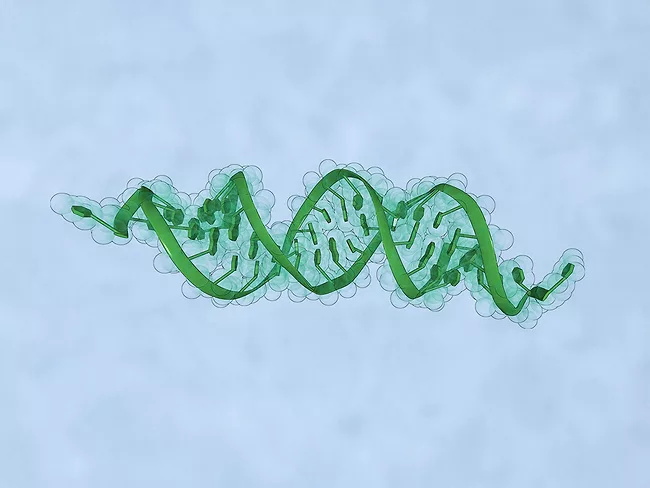
Sirius Therapeutics Inc. raised nearly $50 million in a series B2 financing round May 9 to support its pipeline of small interfering RNA (siRNA) molecules for cardiovascular disease indications. SRSD-107, a long-acting Factor XI anticoagulant for thromboembolic disorders, is its lead candidate waiting on EMA clearance to begin a phase II study in Europe.
Korean pharmaceutical stocks rose across the board May 13, a day after U.S. President Donald Trump signed off on the most favored nation executive order, a drug pricing policy expected to benefit biosimilar makers in the U.S., according to Celltrion Inc.
China’s National Medical Products Administration has approved Remegen Co. Ltd.’s antibody-drug conjugate (ADC), disitamab vedotin (RC-48), for treatment of HER2-positive advanced breast cancer in patients with liver metastasis.
Shanghai-based D3 Bio (Wuxi) Co. Ltd. showed positive results for its lead candidate, next-generation KRAS G12C inhibitor, D3S-001, also known as elisrasib, in patients with KRAS G12C mutation cancers, including patients previously treated with first-generation KRAS G12C inhibitors. Presented at the American Association for Cancer Research (AACR 2025) meeting on April 29, the data were simultaneously published in Nature Medicine.
Echoing President Donald Trump’s justification for reciprocal tariffs, the U.S. Trade Representative’s annual Special 301 Report is a bit more aggressive in tone this year as it calls out trading partners that don't adequately enforce intellectual property rights or that otherwise discriminate against products from foreign companies.
Innovent Biologics Inc.’s efdamrofusp alfa (IBI-302) met the primary endpoint in phase II, showing a gain of 10 or more letters in visual acuity from baseline at one year in Chinese patients with neovascular age-related macular degeneration.
Tightening of U.S. regulation and capital is leading Chinese biotechs to alternative and new models of financing, ranging from cross-border licensing deals, M&As, the so-called newco model and overseas listings.
Europe was a bigger counterpart to China in pharmaceutical dealmaking than the U.S. last year, speakers at Chinabio Partnering Forum said April 23, and the trend is likely to continue in 2025 with the shuttering of U.S. capital and volatility ailing global markets.
The intriguing VEGFxPD-1 bispecific antibody space gained oomph with phase III results disclosed April 23 by Akeso Pharmaceuticals Inc. related to Harmoni-6, testing ivonescimab in combination with platinum-based chemotherapy compared with Tevimbra (tislelizumab, Beigene Ltd.), a PD-1 inhibitor also paired with platinum-based chemo in patients with locally advanced or metastatic squamous non-small-cell lung cancer irrespective of PD-L1 expression. Those data were followed by a green light from the U.S. FDA April 24 for marketing the PD-1 monoclonal antibody penpulimab in combination with cisplatin or carboplatin and gemcitabine for the first-line treatment of adult recurrent or metastatic non-keratinizing nasopharyngeal carcinoma.
Ascentage Pharma Group Corp. Ltd. said two of its novel candidates have been included in the 2025 Chinese Society of Clinical Oncology Guidelines, including its in-house developed Bcl-2 selective inhibitor, lisaftoclax (APG-2575), which is under review in China and could be the first domestically approved Bcl-2 inhibitor and the second global approval.
 RSS
RSS