The first 100 days of the Trump administration have been nothing short of chaotic, both in the U.S. and throughout the world. Shining a light through the uncertainty, BioWorld continues to cover the administration’s latest policy decisions and actions affecting the life sciences sector, as well as their impacts across the globe. It’s all right here at Trump administration impacts.
After more than three years of discussion, the World Health Organization’s Intergovernmental Negotiating Body (INB) has agreed on a proposal to prevent, prepare and respond to a pandemic. The plan is born, the INB proposal said, out of inequities around the world that slowed timely and equitable access to health products to respond to the COVID-19 pandemic.
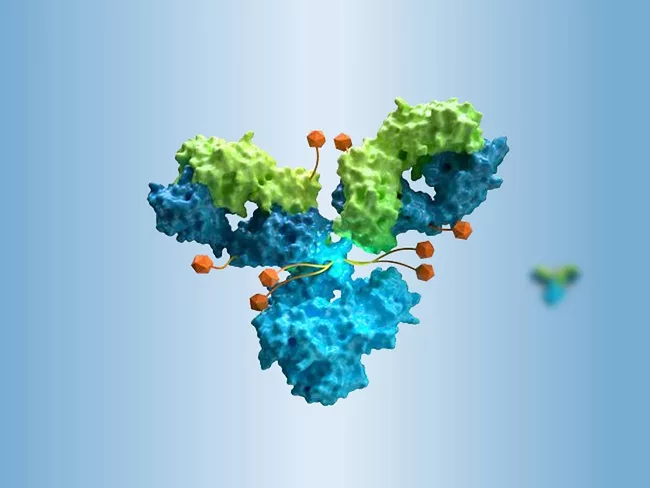
China’s National Medical Products Administration has given the thumbs up to Akeso Pharmaceuticals Inc.’s ebdarokimab for treating moderate to severe plaque psoriasis in adults. An interleukin (IL)-12/IL-23 dual-targeted monoclonal antibody, ebdarokimab (also known as AK-101) is the company's first class 1 new drug approved for autoimmune diseases.
As pharma deals with the impact of U.S. NIH grant cuts and the imposition of tariffs, a lot of pressure is shifting to smaller and midcap companies, according to two executives who spoke on the newest BioWorld Insider podcast.
The U.S. National Security Commission on Emerging Biotechnology (NSCEB) is urging Congress to reinvest in American biotechnology because “the U.S. is dangerously close to falling behind China,” according to a May 8 report. "The United States is locked in a competition with China that will define the coming century," said NSCEB Chair Senator Todd Young (R-Ind.). “Biotechnology is the next phase in that competition. It is no longer constrained to the realm of scientific achievement. It is now an imperative for national security, economic power and global influence.”
Phase I/II trial results of sacituzumab tirumotecan (sac-TMT; Sichuan Kelun-Biotech Biopharmaceutical Co. Ltd.) published in Nature Medicine came a month after China’s National Medical Products Administration gave clearance to Kelun-Biotech’s supplemental NDA of sac-TMT to treat advanced non-small-cell lung cancer (NSCLC).
China approved 48 first-in-class innovative drugs, as well as a significant number of medications for pediatric and rare diseases, thanks to measures aimed at enhancing review efficiency and accelerating patient access to novel therapies, according to a report released by China’s National Medical Products Administration.
Following news of U.S. President Donald Trump’s 10% across-the-board tariffs on Australian exports to the U.S., Australia’s Securities Exchange shed nearly AU$55 billion in losses Thursday morning. Even so, pharmaceuticals have escaped the tariffs for now. In China, Trump’s tariffs are not a big concern for China’s health care because drugs and active pharmaceutical ingredients are exempted from the tariffs. Even if tariffs are imposed in the future, Chinese pharmaceutical companies have already significantly de-risked themselves in recent months by increasing out-licensing models with U.S. partners.
South Korea’s Ministry of Food and Drug Safety on April 8 cleared Barythrax injection (GC-1109) as the world’s first recombinant anthrax vaccine. The product was codeveloped by GC Biopharma Corp. and Korea Disease Control and Prevention Agency.
Australia’s top universities are looking more to Asia for research collaborations following threats from the Trump administration to stop funding research at institutions that don’t comply with U.S. narratives.
 RSS
RSS