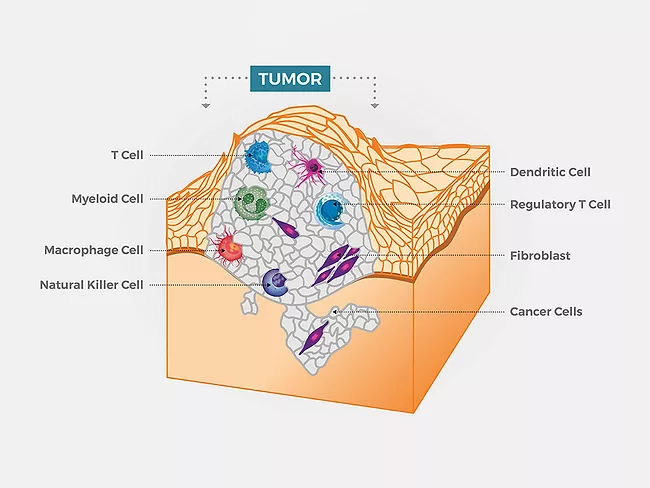
Two studies published this week have reported new insights into the role of the nervous system in tumors outside of the brain. Researchers at the Shanghai Jiao Tong University School of Medicine have identified a role for pain-sensing neurons in helping oral carcinomas cope with nutrient starvation, and that this interaction could be blocked by the calcitonin gene-related peptide (CGRP)-targeting migraine drug Nurtec ODT (rimegepant; Biohaven Pharmaceutical Holding Co. Ltd.).
Researchers have identified miR-124 signaling and its effects on AMPA receptor neurotransmission as a biological mechanism linking the shared risk scores of schizophrenia and bipolar disorders to their shared symptoms. The work, which appeared online in Neuron on Nov. 14, 2022, focused on schizophrenia and bipolar disorder, which are both highly heritable disorders that share substantial risk. Beyond their implications for those two specific disorders, the findings illustrate a path to connecting risk scores and behaviors via their biological link.
In August, Pact Pharma Inc. suspended its phase I trial after 16 patients had been treated with its autologous CRISPR-edited T cells “for business reasons,” the company announced at the time. Scientifically, though, the trial broke enough new ground to be concurrently presented in a late-breaking oral session at the 2022 annual meeting of the Society for the Immunotherapy of Cancer (SITC) and published as an accelerated article preview in Nature on Nov. 10, 2022.
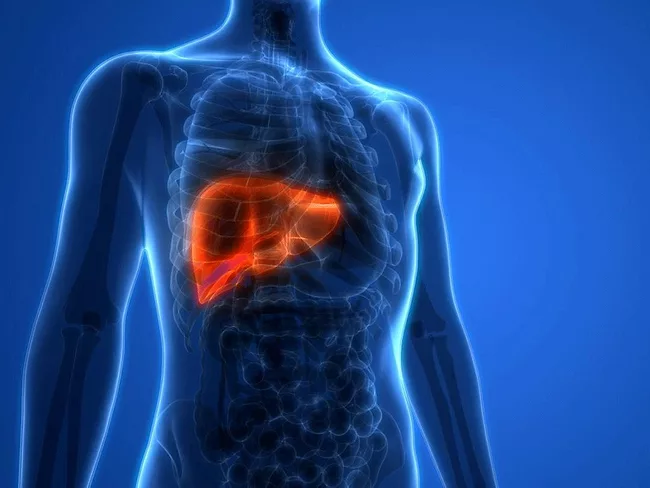
Modern molecular techniques have progressed to the point where sequencing can seem almost quaint. At the Basic Science Symposium of the American Association for the Study of Liver Diseases 2022 meeting (AASLD 2022), new techniques were on full display, with sessions devoted to epigenetics, microbiome analysis and spatial transcriptomics. But the first session was still on genetic variants in all their forms – rare variants, common variants and nongermline mutations.
Modern molecular techniques have progressed to the point where sequencing can seem almost quaint. At the Basic Science Symposium of The Liver Meeting 2022, new techniques were on full display, with sessions devoted to epigenetics, microbiome analysis and spatial transcriptomics. But the first session was still on genetic variants in all their forms – rare variants, common variants and non-germline mutations.
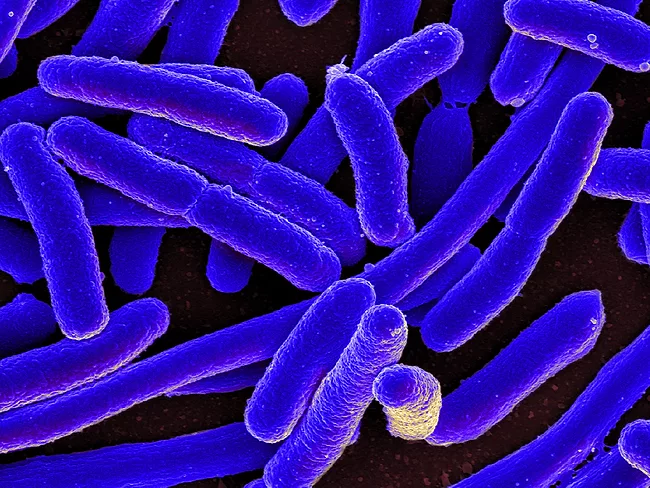
High hopes rest on manipulating the gut microbiome in order to treat a multitude of disorders. Clinical validation for the idea has come from the success of fecal microbiome transplants to treat chronic Clostridium difficile infections. Such transplants are in clinical trials to treat other gastrointestinal disorders, and more targeted methods to manipulate the microbiome are being developed as well, not just for infections, but in a multitude of other indications. Targeting the gut microbiome may turn into a way to alleviate inflammatory bowel disease, food allergies, and even psychiatric conditions.
By pairing the expression of an inhibitory ion channel with an activity-dependent promoter, researchers have developed the first on-demand gene therapy that specifically silenced hyperactive cells and prevented epileptic seizures.
By pairing the expression of an inhibitory ion channel with an activity-dependent promoter, researchers have developed the first on-demand gene therapy that specifically silenced hyperactive cells and prevented epileptic seizures. The channels are expressed when the promoter is turned on by excessive neuronal activity, and so “we can’t stop the first seizures,” Dimitri Kullmann told BioWorld.
By pairing the expression of an inhibitory ion channel with an activity-dependent promoter, researchers have developed the first on-demand gene therapy that specifically silenced hyperactive cells and prevented epileptic seizures.
In 2021, Ardem Patapoutian won the Nobel Prize in Physiology or Medicine for his discovery of the mechanosensitive receptors Piezo1 and Piezo2. The receptors, which are ion channels that respond to mechanical pressure, are important in touch sensation, as well as regulating processes including bladder control and blood pressure. Now, investigators at The Hospital for Sick Children in Toronto, Canada, and Central South University’s Xiangya Hospital have discovered a decidedly ignoble role for Piezo2.