Metabolic health is at an odd juncture. With the advent of glucagon-like peptide (GLP-1) agonists, pharmacologically induced weight loss has matured into a viable therapeutic option at long last. GLP-1R agonists, which are also called incretin mimetics and GLP-1 analogs, are likely to continue their success across multiple areas of medical care. Already, the class has transformed diabetes care, making a splash in weight management, and it may yet do the same for other indications.
By applying deep learning methods to a large database of zinc finger nucleases, researchers at the University of Toronto and New York University have developed an algorithm, Zfdesign, that was able to design custom zinc fingers for any given stretch of DNA. “I think this system levels the playing field for zinc fingers and CRISPR,” said Philip Kim, co-corresponding author of the team's paper published online in Nature Biotechnology on Jan. 26, 2023.
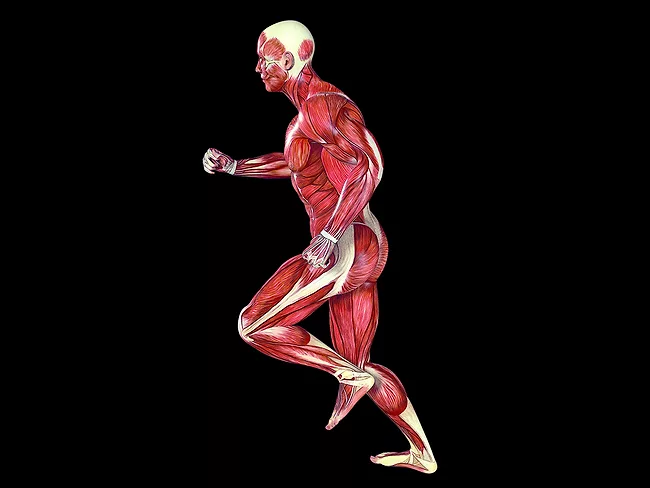
Researchers at the Dana-Farber Cancer Institute have been able to identify proteins that were released from muscles during exercise in relatively small quantities. Using their method, the team was able to demonstrate that the neurotrophic factor prosaposin was produced during exercise. Prosaposin is “a well-known CNS neurotrophic factor, but has never been seen to come out of muscle or fat,” Bruce Spiegelman told BioWorld. Spiegelman is a researcher at the Dana-Farber Cancer Institute and Stanley J. Korsmeyer Professor of Cell Biology and Medicine at Harvard Medical School.
Researchers at Stanford University School of Medicine have developed a method to measure several thousand metabolites, including proteins, metabolites, inflammatory markers such as cytokines and, to a degree, lipids. “It’s like Theranos, except it works,” corresponding author Michael Snyder, director of the Center for Genomics and Personalized Medicine at Stanford Medicine, told BioWorld.
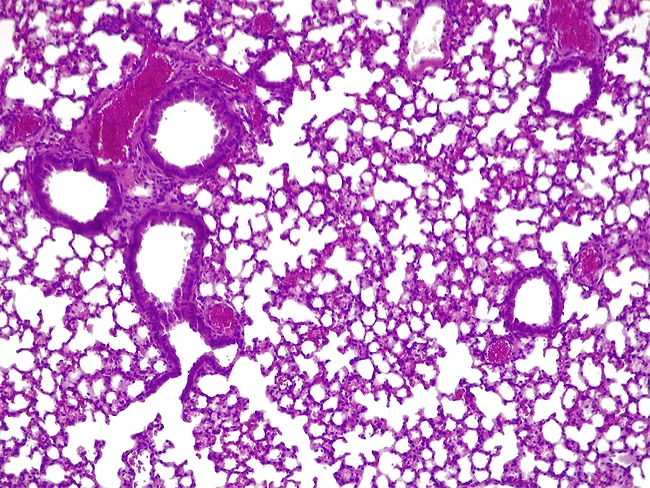
Researchers at the Barcelona Institute of Science and Technology’s Center for Genomic Regulation (CRG) and Pulmobiotics Ltd. have used one bacterium to fight another. In mouse models, the team used engineered Mycoplasma pneumoniae to treat Pseudomonas aeruginosa, the chief culprit in ventilator-associated pneumonia (VAP).
Pulmobiotics Ltd., which was founded in 2019, is developing cell therapy for lung diseases, including lung cancer. But unlike other cell therapies for cancer, this one is based not on harnessing T cells but on engineering bacteria. The team has engineered Mycoplasma pneumoniae to deliver various therapeutic proteins to the lung, depending on the therapeutic indication.
“Short-lived organisms represent a fundamentally different evolutionary strategy, and the idiosyncrasies influencing their aging may not apply to longer-lived models, including humans,” researchers from Harvard Medical School wrote in the Jan. 11, 2023, issue of Science Advances.
In their paper, the authors reported insights into the genomics of longevity that took advantage of an unusual animal model: rockfish.
A psychiatric disorder rarely comes alone. More than half of all individuals who meet the diagnostic criteria for any psychiatric disorder are diagnosed with more than one condition. That high degree of comorbidity is often viewed as a consequence of the heterogeneity of psychiatric disorders – and as evidence that psychiatric diagnoses poorly reflect the underlying brain biology. Data published in Nature Human Behaviour on Jan. 12, 2023, has identified another likely contributor to the high degree of overlap between different psychiatric disorders.
Blood vessels supplying adipose tissue in females and males differed in their biological characteristics and gene expression programs, researchers at York University in Toronto, Canada, have demonstrated. The findings, which will appear in the Jan. 20, 2023, print issue of Iscience after earlier publication online, give new insights into sex differences in metabolic health.
Fat tissue can be detrimental to health, but the relationship between fat, BMI and health is increasingly acknowledged as being highly complex. One factor that affects the relationship between fat and health is how well adipose tissue is vascularized. Any new tissue that forms in the body needs to be vascularized to ensure its blood supply, and fat is no exception.
Researchers at the University of Cape Town have compared the T-cell responses of individuals who were infected with Mycobacterium tuberculosis but were able to control the infection to those who developed active disease. The researchers wrote that the shared antigens in controllers “can be considered as high-priority targets for future vaccine development.” Their results were published online in Nature Medicine on Jan. 5, 2023. In their experiments, the team first sequenced the CDR3β region of the T-cell repertoire in a total of 166 individuals with M. tuberculosis infection who progressed to either TB or controlled infection.