Unlike amphibians, mammals do not regenerate appendages. Except when they do. “If you amputate one of the branches off of the antler [of a reindeer], it will also regenerate,” Jeff Biernaskie told BioWorld. Even without amputation, the antlers of both male and female reindeer regenerate annually, including their skin. That regeneration is “the only large mammal model of true skin regeneration,” he said.
CRISPR, or clustered regularly interspaced palindromic repeats, is transforming biomedical research, and making rapid inroads into the clinic, with its ability to easily target specific DNA and RNA sequences. CRISPR itself is made of RNA. It recognizes target sequences and delivers CRISPR-associated (Cas) proteins, nucleases that cut the target sequence. In two papers published online in Nature on Jan. 4, 2023, researchers have demonstrated that a recently discovered type of Cas protein, Cas12a2, can degrade double-stranded DNA when its associated CRISPR guide RNA recognizes its target sequence.
One of the snarkier ways to describe psychology – and unfortunately, not a completely incorrect one – is as the study of behavior in white rats and college sophomores. For a long time, biomedical research suffered a parallel problem: of white mice and white men. Things are slowly improving as far as diversity in clinical research is concerned, and there are a number of species other than mice that are widely used because they are well-suited to study certain processes.
Metabolic health is at an odd juncture. With the advent of glucagon-like peptide (GLP-1) agonists, pharmacologically induced weight loss has matured into a viable therapeutic option at long last. And research into the drug class is continuing apace.
Metabolic health is at an odd juncture. With the advent of glucagon-like peptide (GLP-1) agonists, pharmacologically induced weight loss has matured into a viable therapeutic option at long last. And research into the drug class is continuing apace.
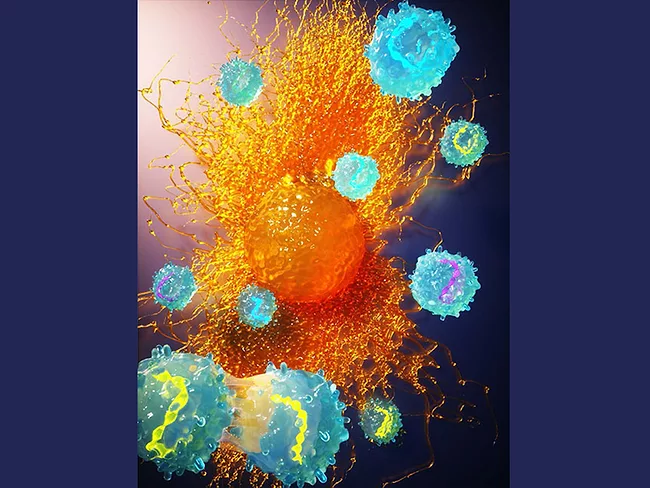
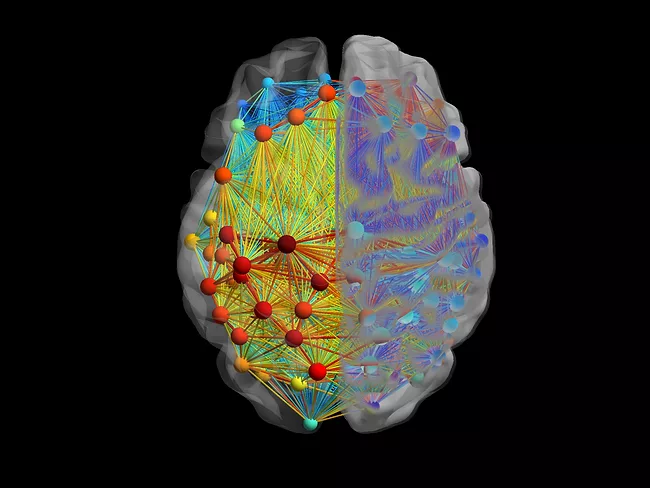
In 2022, neuroscience research made significant advances by understanding the role of large-scale neuronal connections in disorders. So did cancer research.
In 2022, neuroscience research made significant advances by understanding the role of large-scale neuronal connections in disorders. So did cancer research.
Metabolic health is at an odd juncture. With the advent of glucagon-like peptide (GLP-1) agonists, pharmacologically induced weight loss has matured into a viable therapeutic option at long last. And research into the drug class is continuing apace.
In 2021, Biogen Inc.’s Aduhelm (aducanumab) became the first amyloid-targeting therapy to win U.S. FDA approval in Alzheimer’s disease. After decades and dozens of failed phase III trials, the drug was granted accelerated approval in June 2021. In January 2022, however, the U.S. Center for Medicare & Medicaid Services said it would only cover use of Alzheimer’s MAbs targeting amyloid in NIH trials or trials it approved, thus appearing to call into question the rigor of FDA-approved trials.
2021 was the year Aduhelm (aducanumab, Biogen Inc.) was approved as the first amyloid-β-busting drug for Alzheimer’s disease. And in 2022, there was as much need for an effective AD drug as ever. Aduhelm’s commercial fate was sealed with the decision of the Center for Medicare & Medicaid Services (CMS) that the drug would only be reimbursed in clinical trials approved by the CMS or the NIH.