By deleting the gene for uridine monophosphate synthetase (UMPS), an enzyme in the pathway for uridine synthesis, researchers have made cells, including embryonic stem cells and T cells, dependent on dietary uridine. The work, which was published in the July 13, 2020, online issue of Nature Biotechnology, adds a new potential way of controlling cell therapies.
CYBERSPACE – Data presented at the virtual 2020 Alzheimer's Association International Conference (AAIC) and reported in the July 28, 2020, online issue of the Journal of the American Medical Association (JAMA) demonstrated that blood levels of phosphorylated tau-217 (Ptau-217) did as well as cerebrospinal (CSF)- and PET-based biomarkers, and significantly better than other blood-based biomarkers, at discriminating individuals with Alzheimer’s disease (AD) from those with other neurodegenerative disorders.
By deleting the gene for uridine monophosphate synthetase (UMPS), an enzyme in the pathway for uridine synthesis, researchers have made cells, including embryonic stem cells and T cells, dependent on dietary uridine. The work, which was published in the July 13, 2020, online issue of Nature Biotechnology, adds a new potential way of controlling cell therapies.
Cancer treatment has been transformed, at its root, by a transformational change in how it is classified. Those successes have not escaped the notice of researchers in other areas of biomedicine, and diseases including heart failure, asthma and polycystic ovarian syndrome are being looked at with an eye to subdividing them in ways that brings diagnostics into the molecular era.
BioWorld looks at translational medicine, including: Structural study gives insight into plaque formation; Studying labor identifies new pain mechanism; AHR inhibition suppresses Zika infection; iPSCs find best therapy for Best disease.
Keeping you up to date on recent developments in diagnostics, including: Scaling patient stratification in EHRs using deep learning; Improving prognosis of pancreatic cancer; Mitochondria, interneurons, cognition link explored.
Cancer treatment has been transformed, at its root, by a transformational change in how it is classified. These days, which organ a tumor arises in is often less important than its molecular drivers, which can be sensitive either to specific targeted treatments, or increase the chance that a tumor will respond to immunotherapy. Those successes have not escaped the notice of researchers in other areas of biomedicine, and diseases including heart failure, asthma and polycystic ovarian syndrome are being looked at with an eye to subdividing them in ways that brings diagnostics into the molecular era. Nowhere do those changes have greater potential than in disorders of the brain – in part because there is nowhere much to go but up as far as classifying neurological diseases goes.
Keeping you up to date on recent developments in oncology, including: Artificial intelligence plus dual-stain testing beats cytology for cervical cancer detection; Protein degradation system targeted to KRAS; Preventing T-cell rejection; Beating cytokine toxicity one layer at a time.
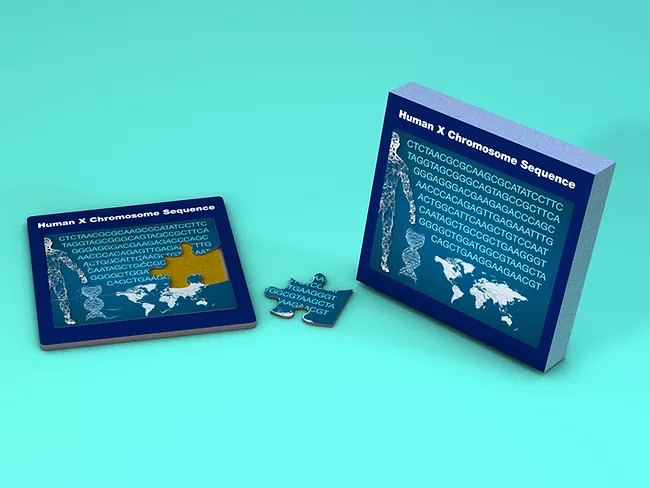
BioWorld looks at translational medicine, including: X chromosome is finished;
Protein degradation system targeted to KRAS; Bacteriophages find, fight microbiome’s dark side; Preventing T-cell rejection; Mitochondria, interneurons, cognition link explored.
Keeping you up to date on recent developments in diagnostics, including: Predicting likelihood of rare disease; X chromosome is finished; Cotesting improves detection of cervical cancer; Single-cell studies give insights into pulmonary fibrosis.