Keeping you up to date on recent developments in diagnostics, including: Deep learning aid for diagnosing TB in HIV patients; Self-collected swabs vs. health care worker collected for COVID-19 testing; SCAD vs. plaques in heart attacks; Diagnosing neuroblastoma in children.
The Genotype-Tissue Expression (GTEx) project, a multiyear, multi-institutional attempt to catalog how expression quantitative trait loci (eQTL) and splicing quantitative trait loci (sQTL) affect protein levels, reported data from its final phase in 15 papers in the Sept, 10, 2020, online issues of the Science and Cell family of journals, as well as in Genome Biology.
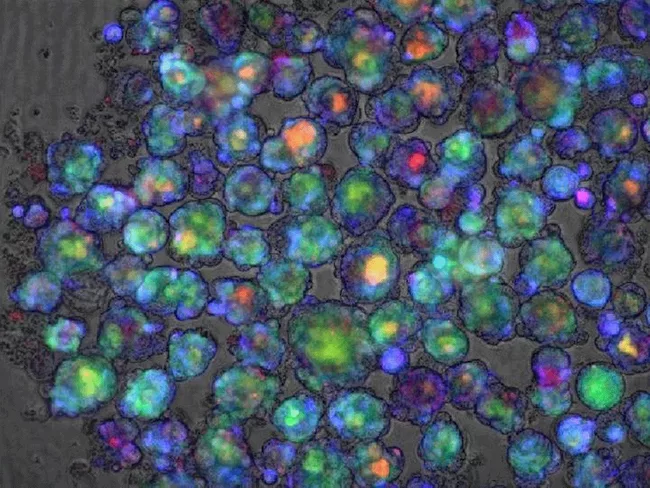
According to the National Institute of Diabetes and Digestive and Kidney Diseases (NIDDK), drug-induced liver injury (DILI) is the leading cause of acute liver failure in the U.S. It is also a leading cause of drug failure in clinical trials. Now, researchers have used liver organoids to develop a polygenic risk score that could predict the risk of liver toxicity for multiple different drugs, regardless of the underlying mechanism.
Keeping you up to date on recent developments in oncology, including: Algorithm improves prediction of hepatocellular carcinoma following hepatitis-driven cirrhosis; MTOR-targeting metabolite discovered; Dartmouth’s Thayer School wins NIH grant.
BioWorld looks at translational medicine, including: MTOR-targeting metabolite discovered; AKG for A-OK aging; Benzodiazepine and barbiturate binding to GABA-A; Giving misfolded proteins a second chance; Agrin-culture grows cartilage; SCAD vs. plaques in heart attacks.
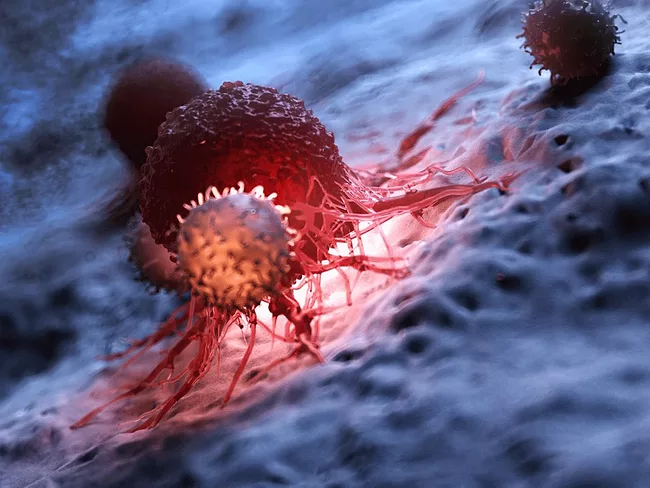
Researchers at City of Hope have used a combination of oncolytic virus and CD19-targeting CAR T cells to first force expression of CD19 on tumor cells and then hunt down those cells, eradicating tumors in immunocompetent mouse models and endowing them with immunity to later re-administration of tumor cells.
Keeping you up to date on recent developments in oncology, including: Denoising algorithm may boost signal-to-noise ratios in prostate MRI; Cross-reactive immunity helps antitumor response; iBET you I can kill those metastases; Transatlantic assault on cancer announced.