An experimental gene therapy based on the prime editing technique could become an effective treatment for alternating hemiplegia of childhood, a severe and currently incurable rare disease. David Liu’s lab at the Broad Institute, the inventor of this gene edition methodology, together with scientists from The Jackson Laboratory, successfully reversed the effects of five mutations associated with this disorder in a mouse model.
An experimental gene therapy based on the prime editing technique could become an effective treatment for alternating hemiplegia of childhood, a severe and currently incurable rare disease. David Liu’s lab at the Broad Institute, the inventor of this gene edition methodology, together with scientists from The Jackson Laboratory, successfully reversed the effects of five mutations associated with this disorder in a mouse model.
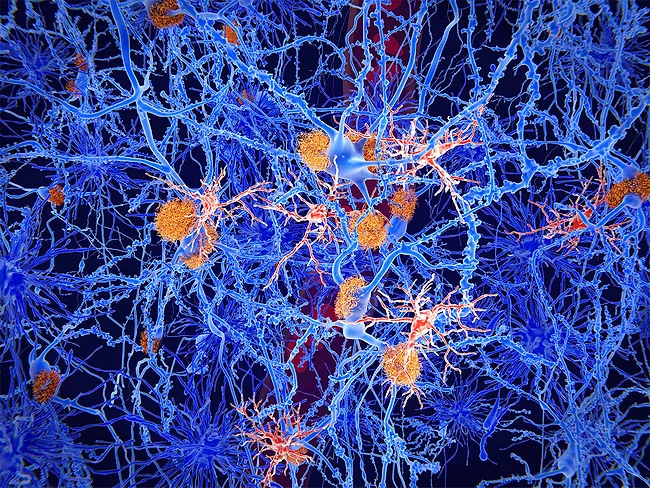
Current treatments for Alzheimer’s disease have limited effects. While they can slow cognitive decline or alleviate symptoms, they do not reverse this complex neurodegenerative condition caused by multiple factors. Researchers from the Gladstone Institutes and the University of California, San Francisco (UCSF) have screened FDA-approved drugs in search of agents that could potentially modify the disease.
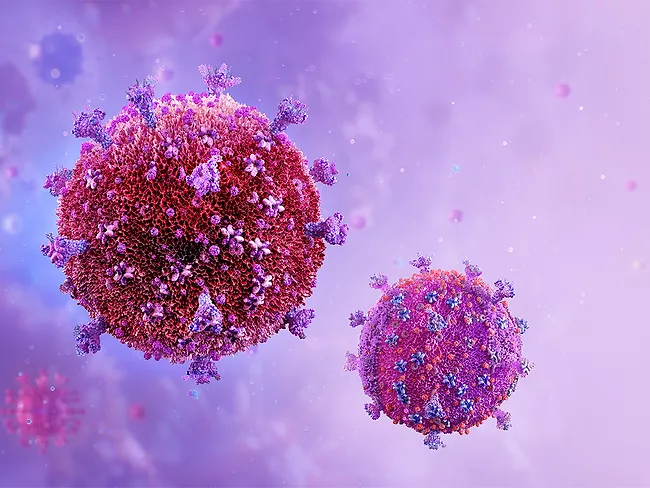
We all look different to HIV, a virus that destroys the immune system. The defensive cells record every interaction with foreign agents, infections from viruses and bacteria, but also with mechanisms occurring within the body, such as microbiome metabolism, the effects of aging, or the development of diseases. At a preconference session at the 13th IAS Conference on HIV Science (IAS 2025), scientists explained the interactions of different microorganisms with HIV.
There is still no effective vaccine or cure for HIV. Scientists are considering options ranging from longer-term antiretroviral therapy (ART) that space out injections by several years to long-lasting pre-exposure prophylaxis (PrEP) that acts as a vaccine while immunization is achieved. What else can be done?
There is still no effective vaccine or cure for HIV. Scientists are considering options ranging from longer-term antiretroviral therapy (ART) that space out injections by several years to long-lasting pre-exposure prophylaxis (PrEP) that acts as a vaccine while immunization is achieved. What else can be done? The “Innovations in HIV virology: Translating discoveries into novel therapies” symposium in basic science at the 13th IAS Conference on HIV Science (IAS 2025), which took place from July 13 to 17, 2025, in Kigali, Rwanda, showcased some of the new ideas that the scientific community are developing.
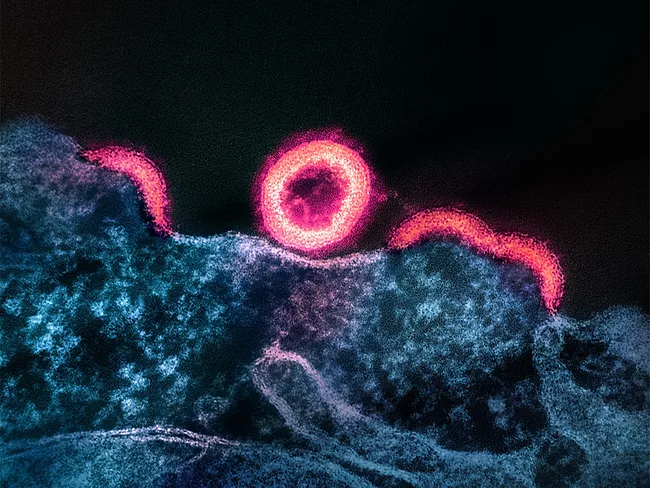
While people living with HIV can lead virtually normal lives thanks to antiretroviral therapy (ART), HIV persists in a latent state within cellular reservoirs that scientists do not know how to eliminate. “Transcription is a critical step in the viral life cycle. … But there are currently no drugs suppressing HIV transcription, and that may be one of the reasons why current antiretroviral therapy is not curative,” Melanie Ott told the audience at the 13th IAS Conference on HIV Science this week in Kigali, Rwanda.
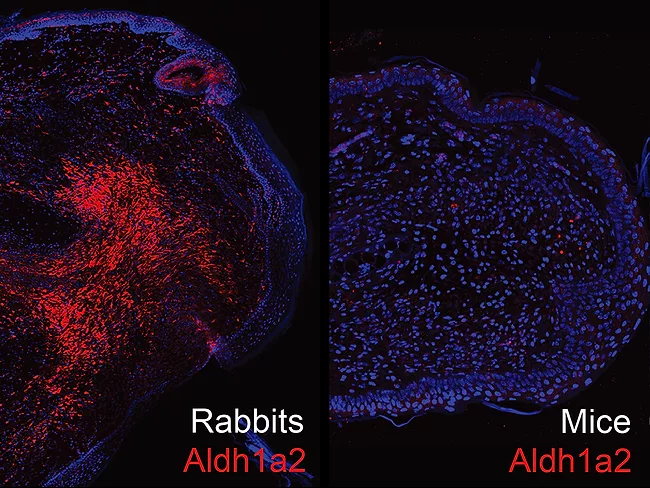
Lizards, zebrafish, salamanders and tritons can regrow a tail, a fin, or even an entire limb after amputation. Cut a planarian into pieces, and you will end up with a bunch of them. Researchers at the National Institute of Biological Sciences in Beijing have discovered a genetic switch linked to vitamin A. After activating this pathway, they managed to regenerate the ear pinna of a mouse, an animal that previously lacked this ability.
Cellular atlases and omics studies, such as genomics, transcriptomics and proteomics, have become key tools for identifying the diversity of all the elements that make up the cardiovascular system. These approaches help scientists understand how cells, genes and molecules function and interact in both healthy and diseased conditions, revealing critical points where targeted interventions could not only relieve symptoms but potentially reverse the underlying pathology at its origin.
All kinds of substances circulate through the bloodstream. Some are beneficial, like oxygen or nutrients, and others less so, like waste products, toxins, pathogens and certain trafficking cells. Among these harmful substances are deleterious factors associated with aging, which can prematurely damage different tissues. The big question is what are those factors that mediate such effects, and what can be done to prevent them. The 11th Cardiac Regeneration and Vascular Biology Conference, held on the Island of San Servolo, Venice, from June 30 to July 2, 2025, included presentations, oral sessions and posters addressing the impact of aging on the cardiovascular system.