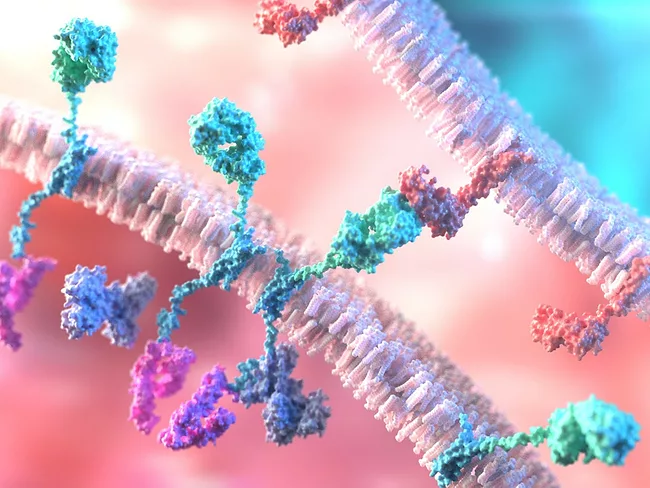
A different class of antibiotics could ease the increasing resistance triggered by some gram-negative bacteria. LpxC inhibitors are not new, but all attempts to develop them have failed due to cardiovascular toxicity or ineffectiveness. A modification of the structure of these compounds may have solved the problem. Duke University scientists demonstrated the preclinical safety and efficacy of an LpxC inhibitor candidate against a wide selection of these pathogens.
It has gone unnoticed in HIV research until now, but a transcriptomic analysis has detected a molecule that could kill this virus. Scientists at a U.S. military research institute laboratory have found a common factor in human cells that inhibited the replication of HIV-1 in people living with the virus. “Without any manipulation of cells in people with HIV, we have found a host factor that is inhibiting HIV in vivo,” the senior author Rasmi Thomas, chief of the Laboratory of Integrative Multiomics at Walter Reed Army Institute of Research, told BioWorld. Using single cell RNA sequencing (scRNA-seq), the study published on Aug. 2, 2023, in Science Translational Medicine identified this host factor as prothymosin α, a protein isolated from the thymus in 1966 and described in 1984.
CAR T-cell immunotherapy is designed with different targets depending on the receptors they will bind to. CARs can also contain different tools, like the concept of a Swiss army knife, with several utensils for different tasks. The goal is to make them more effective and durable. During the second session of the Spotlight on Immuno-Oncology conference, “Novel CAR designs and approaches,” Robbie Majzner, of Stanford University, described expanding the main components of CAR T cells to acquire new functions and act on different cell pathways.
“From such a stick, such a splinter,” is a popular Spanish saying to explain how a son resembles his father. Like father, like son. The first Spotlight on Immuno-Oncology conference of the American Society of Gene & Cell Therapy (ASGCT) is the splinter of the ASGCT annual meeting, which brought together a group of experts in this field. It took place on Aug. 1 and 2, 2023, starting with a series of talks on “B Cell Malignancies and Beyond.”
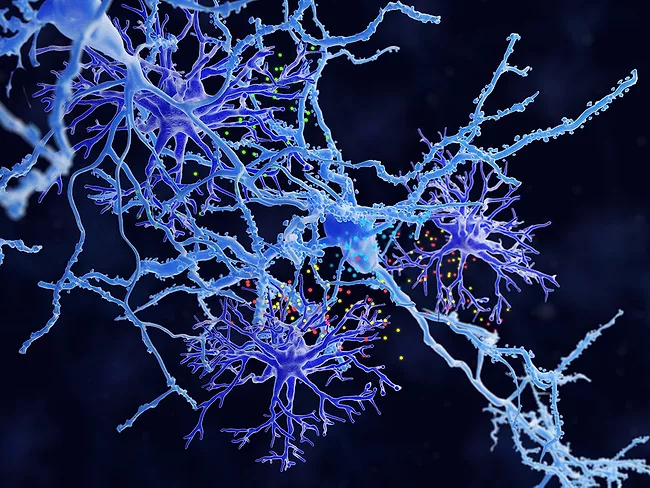
A receptor could hold the key to explaining how stress affects behavior, at least under certain circumstances. Scientists from the Korea Advanced Institute of Science and Technology (KAIST) have described how childhood neglect or abuse altered the brain. Stress glucocorticoid hormones caused neuronal damage in mice by increasing the receptor tyrosine kinase MERTK in astrocytes and inducing them to phagocytose excitatory synapses.
Colonization of the stomach by the bacterium Helicobacter pylori can cause gastric cancer by secreting the CagA oncoprotein. Now, a Japanese laboratory has discovered that CagA disrupted Wnt/PCP signaling and altered the polarity in which the squamous cells of the developing gastric epithelium are arranged, causing the hyperproliferation of the stem cells.
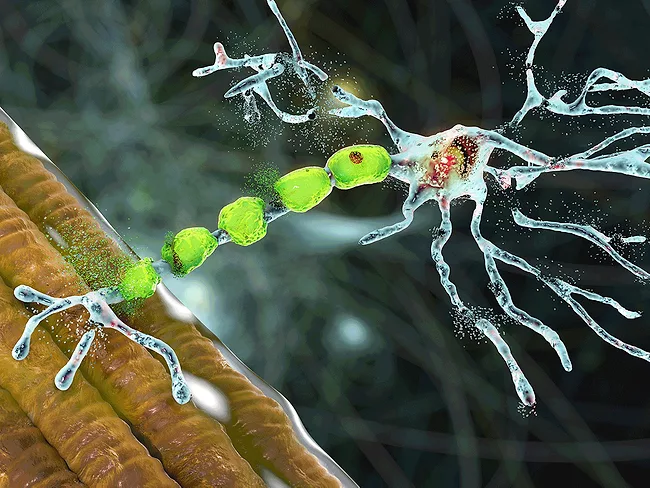
When a group of British scientists studied which proteins might be in the wrong place of the cell in amyotrophic lateral sclerosis (ALS) patients, they found hundreds of them mislocalized. Other studies had shown that TDP-43 protein was mislocalized. But it was not known that the phenomenon was widespread, and affected mRNA as well as proteins. “Our study revealed that these mislocalized proteins were heavily involved in RNA binding functions and exhibited high binding affinities to RNAs,” Rickie Patani told BioWorld.
The overexpression of the MYC oncogene could be explained through a new pathway that would act before transcription, when MYC binds to DNA. A group of scientists from Spain have identified how the ERK2 kinase interacted with the CDK9 protein, enabling it to bind to DNA in the promoter region of MYC.
Avoidance of graft-vs.-host disease (GVHD) after a hematopoietic stem cell transplant could depend on certain members of the microbiome. According to a study led by scientists at the Fred Hutchinson Cancer Center (FHCC), while some species of intestinal bacteria repressed the expression of the major histocompatibility complex II (MHC-II), others induced it and triggered the immune response that produces GVHD.
The Hubmap consortium has released the atlas of three human organs, a cell-by-cell map based on overlaid images from microscopy and molecular data. Maps of the intestine, the kidney and the placenta, published in three simultaneous articles, have revealed the cellular morphology and architecture of these organs in healthy and diseased conditions.