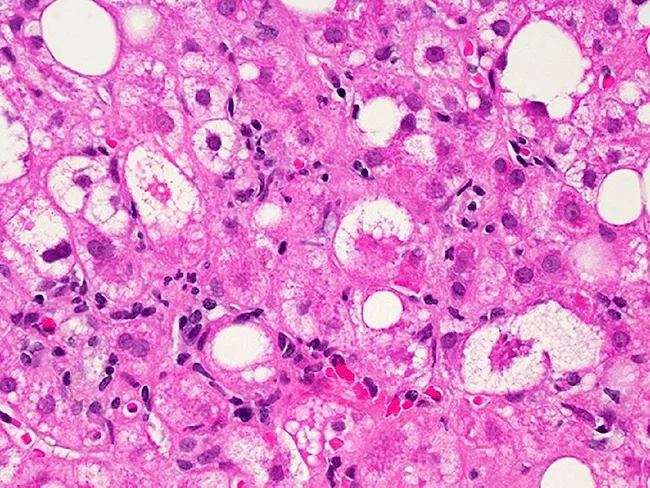
Liver damage arrests growth mediated by the somatotroph axis, which prevents liver cell death and inflammation, but increases fibrosis in nonalcoholic fatty liver disease (NAFLD). The explanation for this effect could lie in the relationship between the activating transcription factor 3 (ATF-3) and insulin-like growth factor 1 (IGF-1), according to a study from the University of California at Berkeley.
A combination of bioengineering techniques on normal cell binding proteins could be the method of the future for selective cell binding. Scientists at the University of California, San Francisco (UCSF) have created a synthetic glue based on the expression of membrane receptors to establish the desired connection between cells. The results may be applied in different fields of cell biology or biomedicine, such as regeneration and wound repair, including the nervous system, or cancer.
When a drug prevents bacteria from synthesizing their own folate, an essential compound for their survival, they take it directly from the host. This antibiotic resistance mechanism had not been detected until now because bacteria behave differently in the laboratory than they do in vivo during an infection.
When a drug prevents bacteria from synthesizing their own folate, an essential compound for their survival, they take it directly from the host. This antibiotic resistance mechanism had not been detected until now because bacteria behave differently in the laboratory than they do in vivo during an infection.
Scientists from the Icahn School of Medicine at Mount Sinai have found a sexual dimorphism of depression based on the different expression of a molecule that could be developed as a therapeutic strategy. “There is a big sex difference in depression. Women are much more likely to have depression than men. They tend to have different subsets of symptoms. They tend to respond better to different antidepressants, and the depression tends to be more severe,” Orna Issler, the first author of the study and a postdoctoral researcher at the Nash Family Department of Neuroscience, Friedman Brain Institute, Icahn School of Medicine at Mount Sinai, told BioWorld. Their project, directed by Eric Nestler, a professor of neuroscience and director of the Friedman Brain Institute at the Icahn School of Medicine at Mount Sinai, had the aim to understand the biology of these sex differences of depression and to find therapeutic targets for it.
Retrotransposons could have a main role in the development of drug resistance in response to cancer treatment, according to a new study out of the Roswell Park Comprehensive Cancer Center. The transposition of DNA elements triggers an inflammatory response involved in the survival of cancer cells, a mechanism that could be blocked applying reverse transcriptase inhibitors, a class of drugs better known as anti-HIV medications.
Does cancer cause autoimmune disease or is it the other way around? In looking at the question of which comes first, the chicken or the egg, researchers at the Garvan Institute of Medical Research in Australia found that a genetic mutation that alters immune cells in leukemia is behind certain autoimmune disorders.
It doesn't happen very often, but the same scientists who participated in the discovery of a signaling pathway can also undo their findings and go back to square one. “When we discovered Hippo signaling, some 20 years ago, everybody was excited about it because we thought it was going to explain a big part of how growth is regulated. Now it turns out that it is not what it is doing,” Georg Halder told BioWorld.
Stimulating the brain via implanted electrodes is used to treat both movement disorders such as Parkinson’s disease, and some psychiatric conditions such as obsessive compulsive disorder. But researchers are also working on ways to make such implanted electrodes listen instead of talk – and translate neuronal signals for people that have lost the ability speak, or the ability to move.
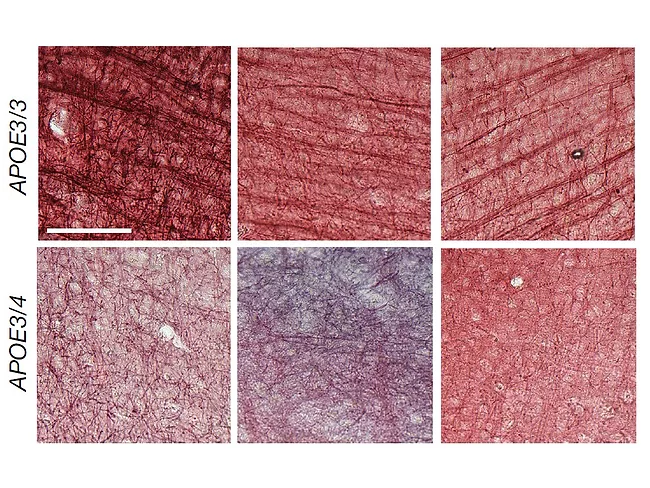
Carrying the apolipoprotein E4 allele (APOE4), and not the APOE3 variant, is the strongest risk factor for developing Alzheimer’s disease (AD). But the underlying mechanism has remained elusive. Now, researchers at MIT and Mount Sinai have found that in brains carrying the APOE4 allele, lipid and cholesterol processes were dysregulated in oligodendrocytes and that this effect reduced myelination.