A major challenge in tissue engineering is not only achieving the correct cellular organization of an engineered tissue, but also expanding it to a clinically useful size after implantation. Researchers from the Wyss Institute at Harvard University have developed a synthetic biology platform that genetically programs tissues to grow large organ implants on demand. Building on a 2017 study suggesting engineered liver tissues could respond to regenerative signals released after injury, the researchers set out to identify and harness those cues.
“If we could figure out what those signals were, we could synthetically drive these factors locally in an implant to control its growth ourselves,” first author Amy Stoddard told BioWorld. Stoddard is a postdoctoral researcher at the Wyss Institute.
Researchers at the University of Edinburgh are pioneering a cancer therapy that destroys tumors from within while reawakening the immune system, using synthetic super-enhancers (SSEs) to drive targeted killing and durable protection against recurrence. The work builds on a decade of research focused on how glioblastoma stem cells (GSCs) sustain their aggressive cancer identity.
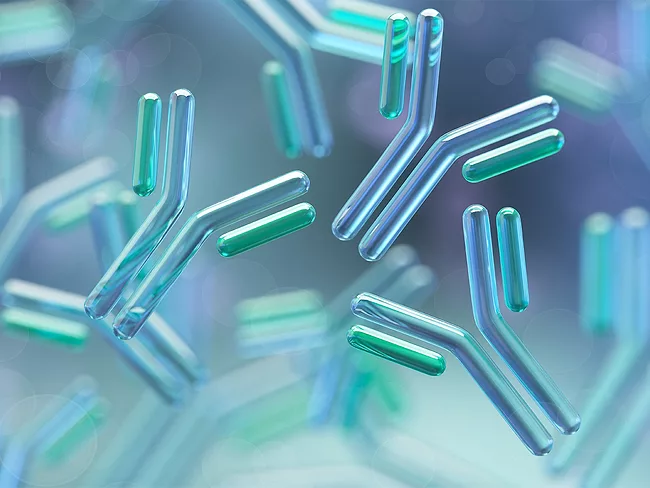
Multispecifics took center stage at this year’s ESMO TAT, emerging as one of the hottest trends in oncology research. Unlike traditional small-molecule drugs or monoclonal antibodies that typically target a single protein, multispecific compounds are engineered to harness multiple mechanisms of action within a single molecule. They orchestrate biology rather than just blocking it.
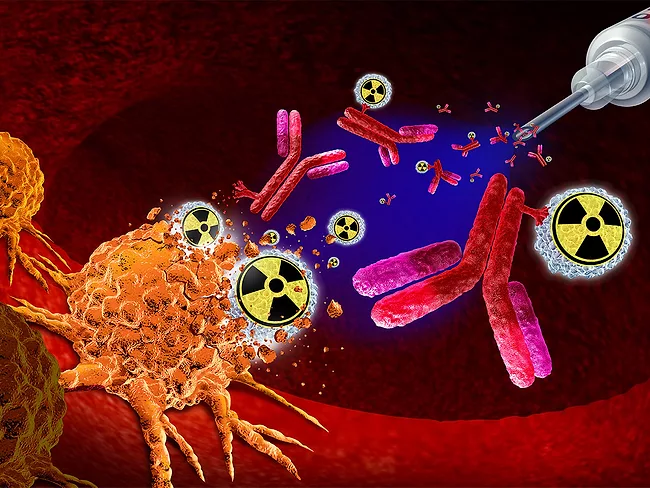
Once confined to a niche in nuclear medicine, targeted radionuclide therapy is rapidly gaining momentum and becoming one of the fastest-growing strategies in oncology. Evidence of this surge was clear at the 2026 European Society of Medical Oncology Targeted Anticancer Therapy (ESMO TAT) congress, where the topic was highlighted both at the ESMO Colloquium and in the session titled “The Future of Radioligands: Insights from Industry, Regulation and Clinical Practice,” with various speakers sharing their perspectives on the modality’s current role and future potential.
In the opening sessions of this year’s ESMO Targeted Anticancer Therapies Congress, Elena Garralda, director of the Molecular Therapeutics Research Unit at Vall d’Hebron Institute of Oncology in Barcelona, described ESMO TAT as “the house of phase I,” a fitting label for a meeting centered on translational research and early drug development, where first-in-human data and new trial designs help shape the next generation of cancer therapies.
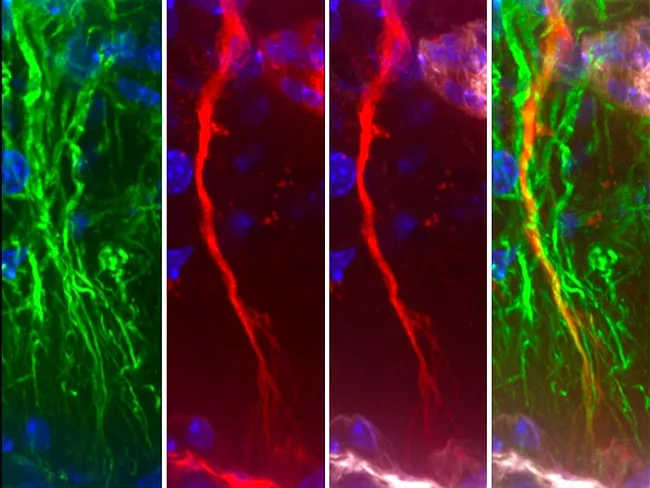
Researchers at INSERM and collaborators have identified hypothalamic tanycytes as mediators of tau clearance and shown that their structural and genetic disruption may drive Alzheimer’s disease pathology.
Researchers at INSERM and collaborators have identified hypothalamic tanycytes as mediators of tau clearance and shown that their structural and genetic disruption may drive Alzheimer’s disease (AD) pathology. AD is characterized by the buildup of extracellular amyloid-β plaques and intracellular tau tangles, protein aggregates that disrupt neuronal function and drive neurodegeneration.
Building on the foundation laid in 2020, researchers at the University of California, San Francisco (UCSF) have now shown that targeting the GPI-anchored vascular enzyme TNAP can reproduce the cognitive benefits previously attributed to the liver-derived exercise factor GLPD1.
Hepatocellular carcinoma (HCC) is the most common form of primary liver cancer, representing approximately 75-85% of all cases. Often considered preventable, primary liver cancer ranks as the sixth most frequently diagnosed cancer and the third leading cause of cancer deaths worldwide. Through a multi-institutional effort, researchers have identified activated ATF6α as a driver of HCC that suppresses immune defenses, predicts response to immune checkpoint therapy, and represents a potential target for intervention.
Chemotherapy is often seen solely as a tumor-targeting treatment, yet new evidence reveals a paradox: the tissue injury it causes can reprogram the body’s defenses, influencing the risk of metastasis. Researchers from the University of Lausanne and collaborators reported that chemotherapy reshapes the gut-immune axis by inducing microbiota-derived indole-3-propionic acid, which reprograms myelopoiesis to curb monocyte-driven immunosuppression and metastasis in colorectal cancer.