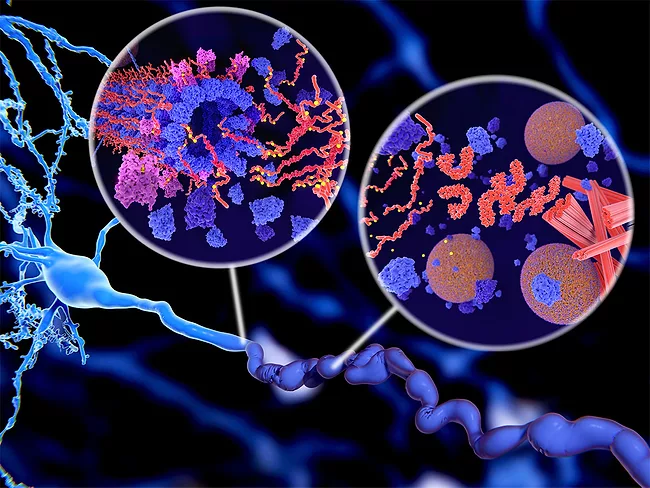
Researchers from the UK Dementia Research Institute at the University of Cambridge have found how to prevent and reverse tau aggregation using target-specific nanobodies. The team holds great expertise in the role of TRIM21 in the tau environment since William McEwan, senior author of the study, first discovered TRIM21 and, a bit later, defined its contribution to tau immunotherapy efficacy.
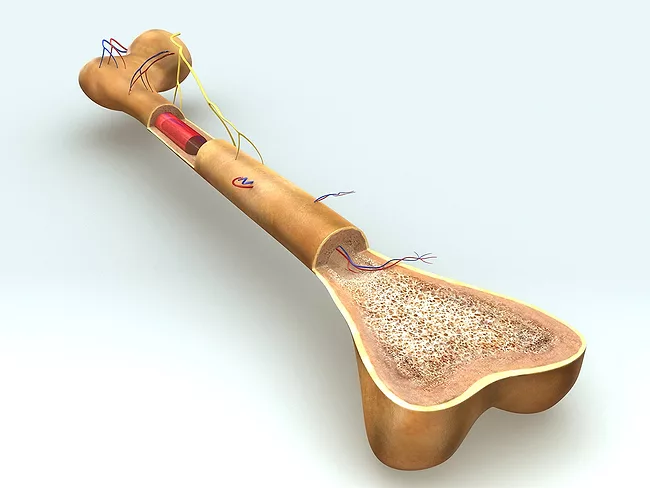
Researchers from the University of California San Francisco (UCSF) have found that CCN3, a hormone secreted by neurons in the brain, is responsible for maintaining bone strength during lactation.
Researchers from the University of Texas Medical Branch have developed a novel tau immunotherapy delivered via intranasal route, able to enter the brain, and recognize and successfully clear tau aggregates in mouse models of tauopathy. Aberrant tau aggregates cause neurodegenerative symptoms in Alzheimer’s disease (AD), progressive supranuclear palsy (PSP) and dementia with Lewy bodies (DLB). Although these conditions present phenotypic differences, the fact of sharing tau deposits as a major hallmark tags them as tauopathies.
During the basic science morning track on the last day of this year’s Annual Congress of the European Hematology Association (EHA), the attention was focused on oncogenic transcription factors and complexes considered turning points within the acute myeloid leukemia (AML) arena.
The first oral session in the acute myeloid leukemia (AML) translational research track of June 15, was given by Eliza Yankova, from the University of Cambridge, who presented collaborative studies done together with Storm Therapeutics Ltd. outlining pharmacological inhibition of METTL1 as a therapeutic strategy in AML treatment.
Myeloproliferative neoplasms (MPNs) can only be cured, to date, using allogeneic stem cell transplantation which, in turn, only works for up to 20% of patients. As calreticulin (CALR) frameshift mutations are the second most common cause of MPNs, targeting this endoplasmic reticulum resident protein is one of the strategies emerging at the forefront of hematological malignancies research.
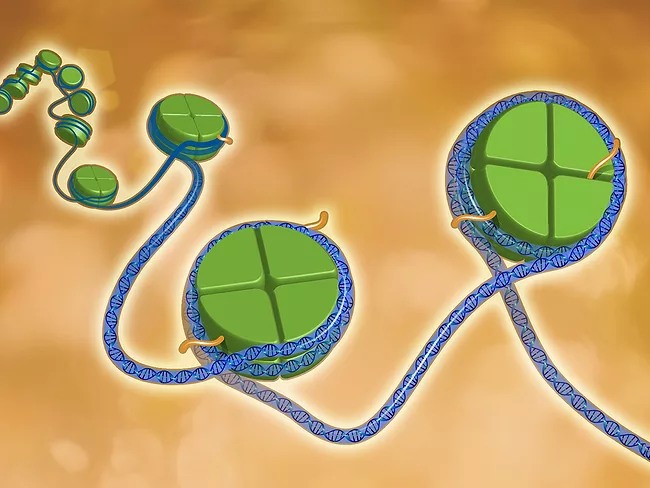
Throughout the 2024 annual congress of the European Association for the Study of the Liver (EASL), held in Milan last week, almost all basic tracks included some reference to epigenetics, or changes to the chromatin that affect how accessible a gene is to the transcription machinery.
The ongoing European Association for the Study of the Liver 2024 congress in Milan opened yesterday with several presentations on cell plasticity and its role in liver function and regeneration in chronic liver disease situations.
After many years of testing different monoclonal antibodies against amyloid-β protein, the results obtained are far from being outstanding, and the control of the progression and symptoms of Alzheimer’s disease (AD) remains elusive. At the recent AD/PD 2024 conference held in Lisbon, new non-anti-amyloidogenic strategies in the starting line against AD were discussed. Professor Einar Sigurdsson from New York University gave a presentation entitled, “Single domain antibodies for therapy and diagnosis of synucleinopathies and tauopathies.”
After many years of testing different monoclonal antibodies against amyloid-β protein, the results obtained are far from being outstanding, and the control of the progression and symptoms of Alzheimer’s disease (AD) remains elusive. At the recent AD/PD 2024 conference held in Lisbon, new non-anti-amyloidogenic strategies in the starting line against AD were discussed. Professor Einar Sigurdsson from New York University gave a presentation entitled, “Single domain antibodies for therapy and diagnosis of synucleinopathies and tauopathies.”